






Abdominoplasty, often referred to as tummy tuck surgery, is a surgical procedure to address excess skin and changes to the abdominal wall following pregnancy or significant weight loss.
Depending on individual anatomy, it may involve removal of excess skin and, where appropriate, repair of abdominal muscle separation (diastasis recti), helping to improve abdominal contour.
At CREO Clinic, abdominoplasty procedures are performed by Dr Omar Tillo, a specialist in body contouring.
Every treatment plan is developed through a one-to-one clinical assessment, ensuring surgery is appropriate and aligned with your anatomy, goals, and safety profile. Patients are encouraged to take the time they need to fully understand their options before proceeding.
Quick Overview of Tummy Tuck Procedure
Anesthesia
Sedation or General AnaesthesiaSurgery Time
2-5 HoursMobility
12 HoursWashing
2 DaysOff-Work
10 DaysExercise
2 WeeksFull Recovery
12 WeeksWhy This Procedure Matters
A tummy tuck (abdominoplasty) is not only an aesthetic procedure. It also addresses structural changes to the abdominal wall and skin that cannot be resolved through non-surgical approaches. It is often considered following pregnancy or significant weight loss, where changes in the abdomen affect both physical comfort and contour.
Post-Pregnancy Abdominal Changes
Pregnancy can lead to changes in the abdominal area, including excess skin and separation of the abdominal muscles (diastasis recti). Where these changes persist, abdominoplasty may be considered to remove excess skin and, where appropriate, repair muscle separation.
After Significant Weight Loss
Following significant weight loss, excess skin may remain where the skin has not adapted to changes in body size. This can lead to discomfort, irritation, or hygiene concerns. In these cases, a tummy tuck may be used to remove this excess skin and improve abdominal contour.
Restoring Abdominal Strength and Contour
Where muscle separation is present, surgical repair can help restore core support and improve abdominal contour. These changes may also contribute to improved posture and overall physical comfort.
From First Consultation to Final Results – Their Experience
How the Procedure Works
What Happens During Surgery
The exact surgical approach depends on your individual treatment plan. In a typical tummy tuck (abdominoplasty), an incision is made along the lower abdomen to allow removal of excess skin and access to the abdominal wall.
Where appropriate, the abdominal muscles may be repaired to address separation (diastasis recti). The remaining skin is then repositioned to improve abdominal contour. In some cases, the position of the umbilicus may be adjusted to maintain a natural appearance.
Anaesthetic and Surgical Environment
Tummy tuck procedures are performed under general anaesthesia in a regulated surgical environment. The duration of surgery varies depending on the complexity of the procedure and whether it is combined with other treatments.
Muscle Repair and Skin Removal
Where muscle separation is present, the abdominal wall may be repaired by bringing the rectus muscles back towards the midline. Excess skin is removed, and surgical techniques are used to support healing and optimise long-term contour.
Is This Right for You?
Suitability for a tummy tuck is determined during a clinical consultation, where your anatomy, health, and goals are carefully assessed.
Who It’s For
A tummy tuck may be appropriate for patients who:
- Are in good overall physical and mental health
- Have excess abdominal skin and/or abdominal muscle separation
- Have realistic expectations regarding outcomes, scarring and recovery
- Are close to their ideal weight and can maintain a stable weight, typically with a BMI of 30 or below (You can use our BMI Calculator as a general guide)
- Do not smoke, or are willing to stop smoking for a period before and after surgery
Who It May Not Be Right For
A tummy tuck may not be appropriate if:
- You are planning a future pregnancy
- You are unable to stop smoking for the required period
- Your weight is not yet stable
- There is no significant excess skin or muscle separation to address
Procedure Variants & Alternatives
There are several types of tummy tuck, each suited to different patterns of skin laxity and anatomical change. The most appropriate approach is determined during consultation, based on your anatomy, goals, and clinical assessment.
Mini Tummy Tuck
The mini tummy tuck is typically used where excess skin is limited to the lower abdomen below the belly button. It is a less extensive procedure than a full abdominoplasty and involves a shorter incision along the lower abdomen. Muscle repair is not usually required, depending on individual anatomy.
Full Tummy Tuck
A full tummy tuck addresses excess skin and, where appropriate, muscle separation across both the upper and lower abdomen. It involves an incision along the lower abdomen and, in some cases, repositioning of the umbilicus to maintain a natural appearance.
Extended Tummy Tuck
An extended tummy tuck is used where excess skin extends beyond the abdomen towards the flanks. The incision is extended beyond the hips to allow removal of additional skin and to improve contour across the lower abdomen and sides.
Fleur-de-Lis Tummy Tuck
A fleur-de-lis tummy tuck may be considered in cases of significant skin laxity, often following major weight loss. This technique involves both a horizontal incision along the lower abdomen and a vertical incision along the midline, allowing for the removal of excess skin in multiple directions.
This approach can provide more comprehensive contouring in appropriate patients, with the trade-off of a vertical scar.
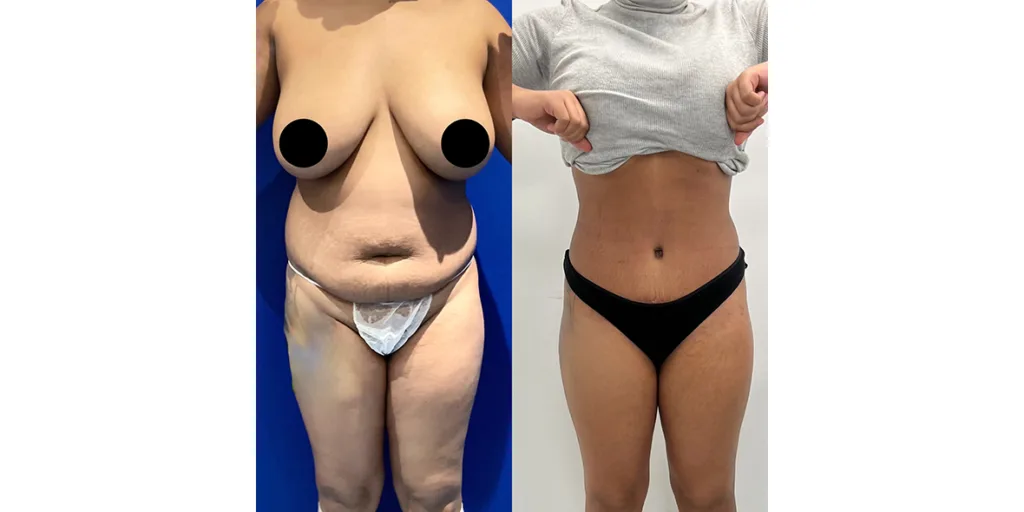
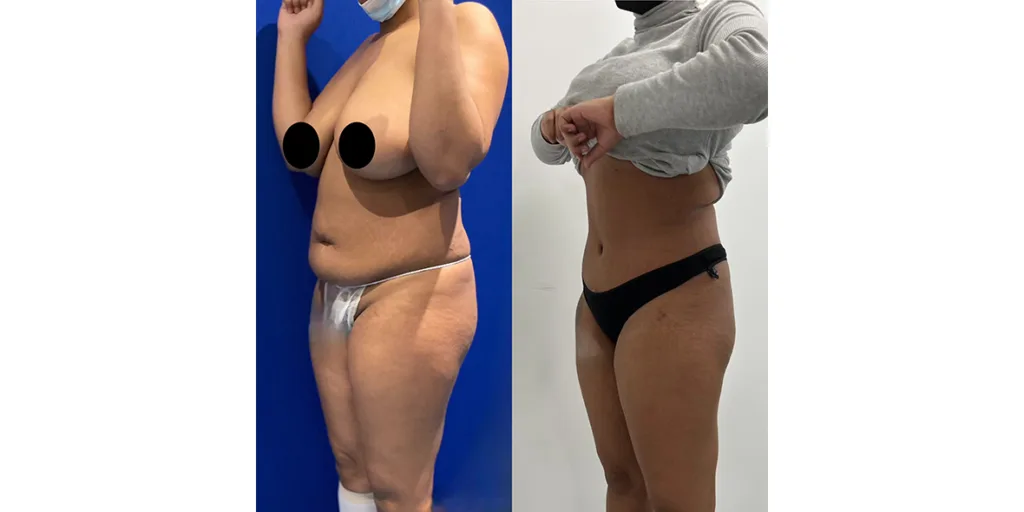
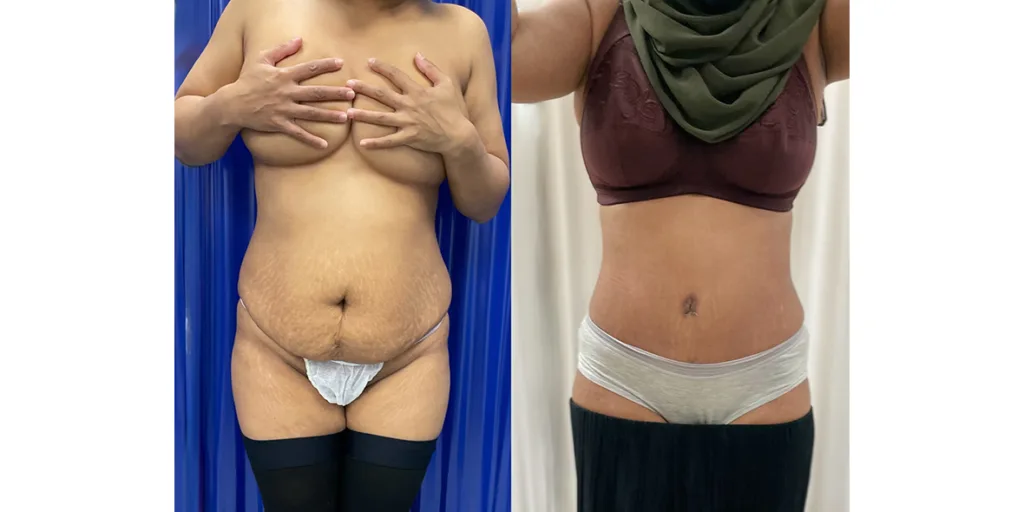
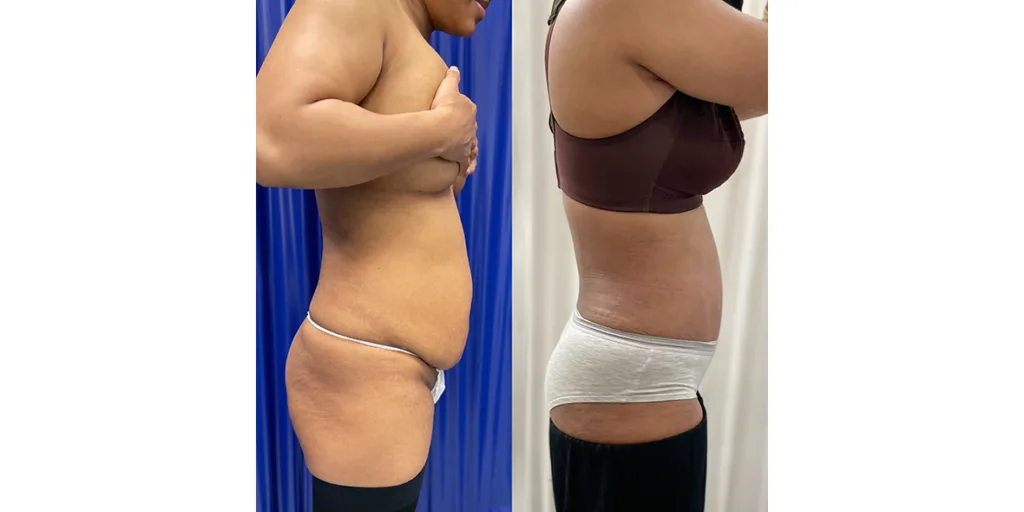
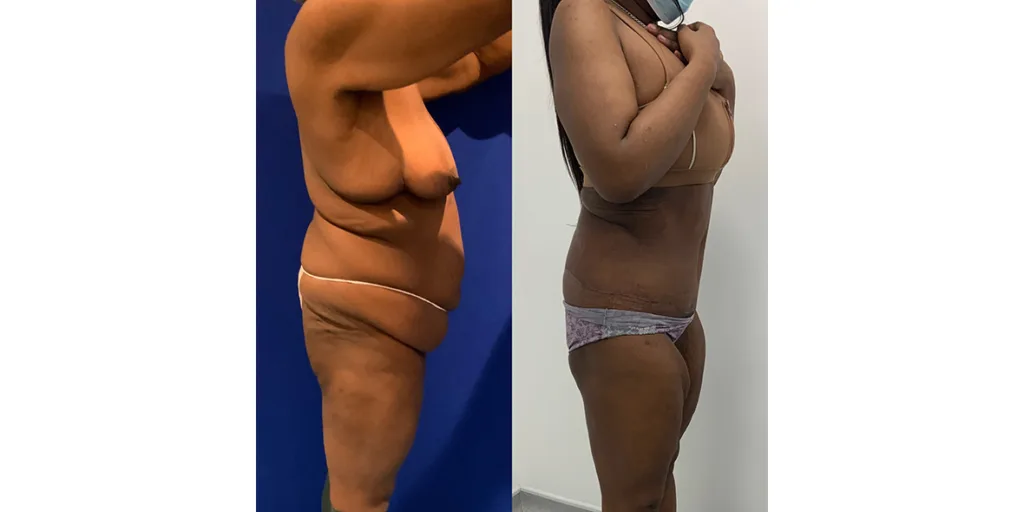
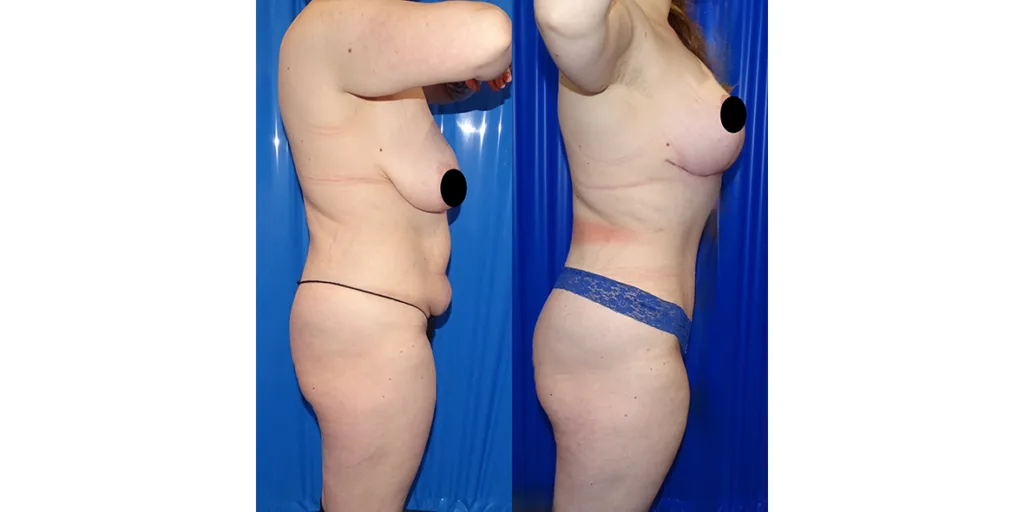
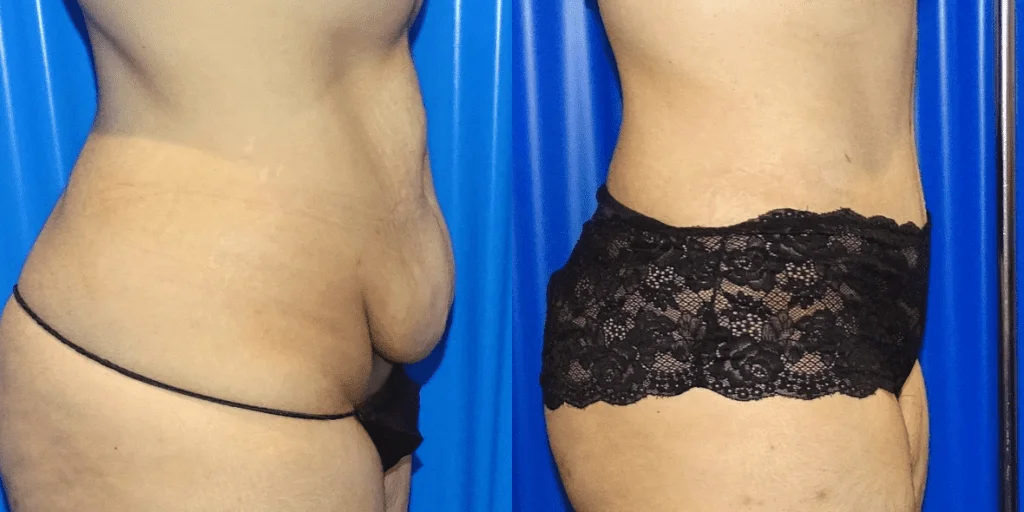
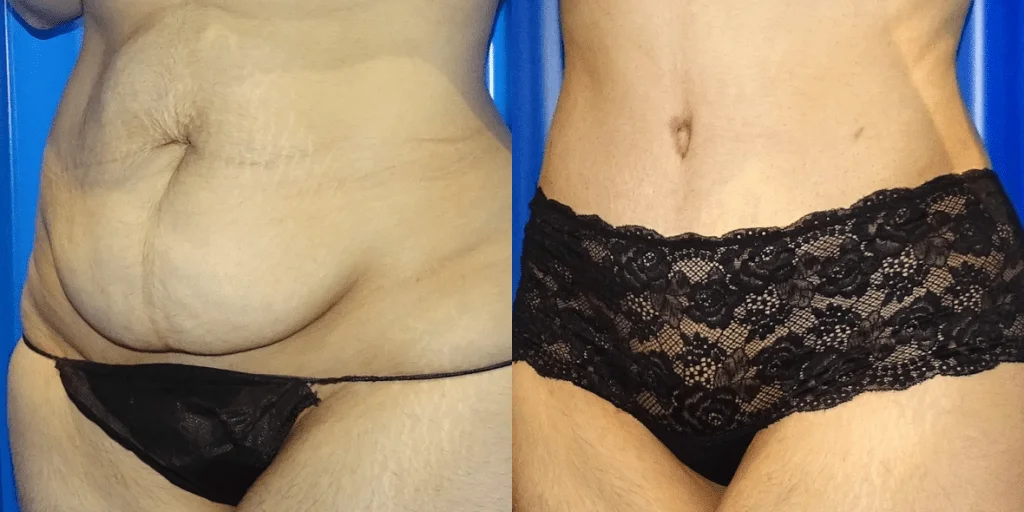
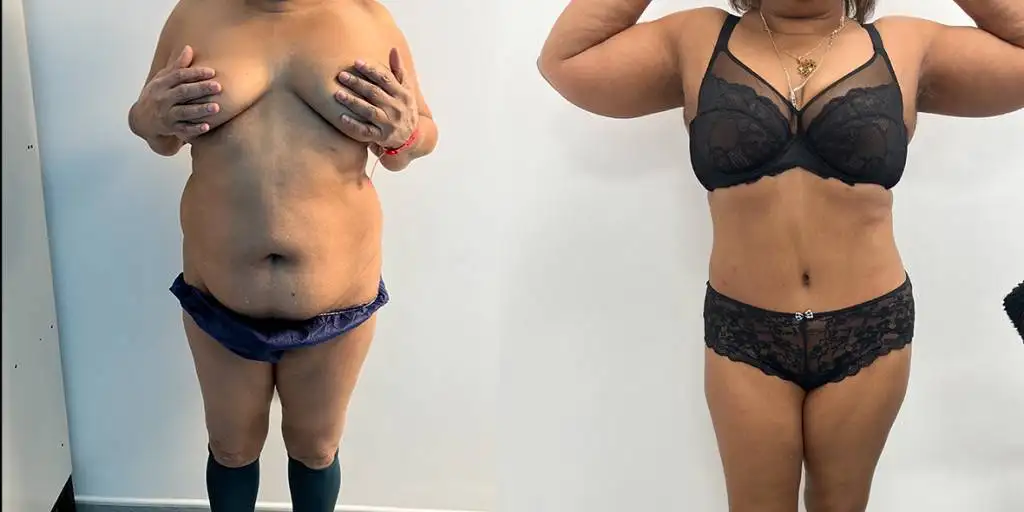
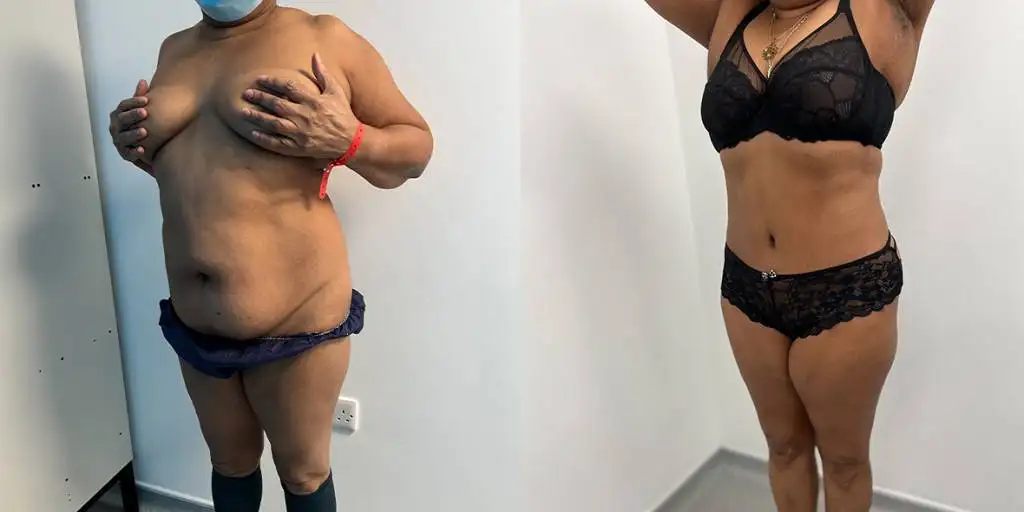
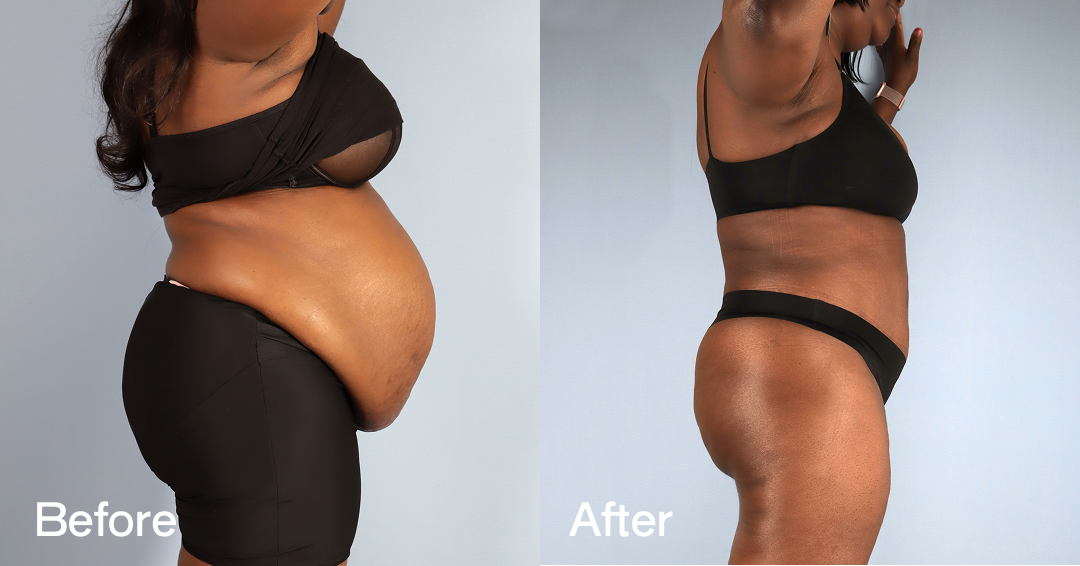
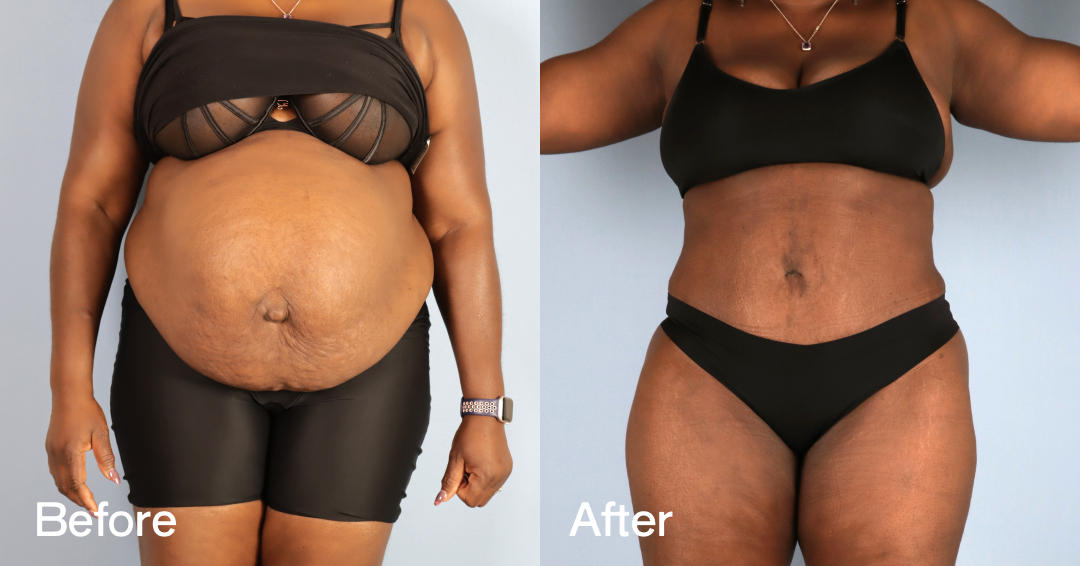
Before & After Results
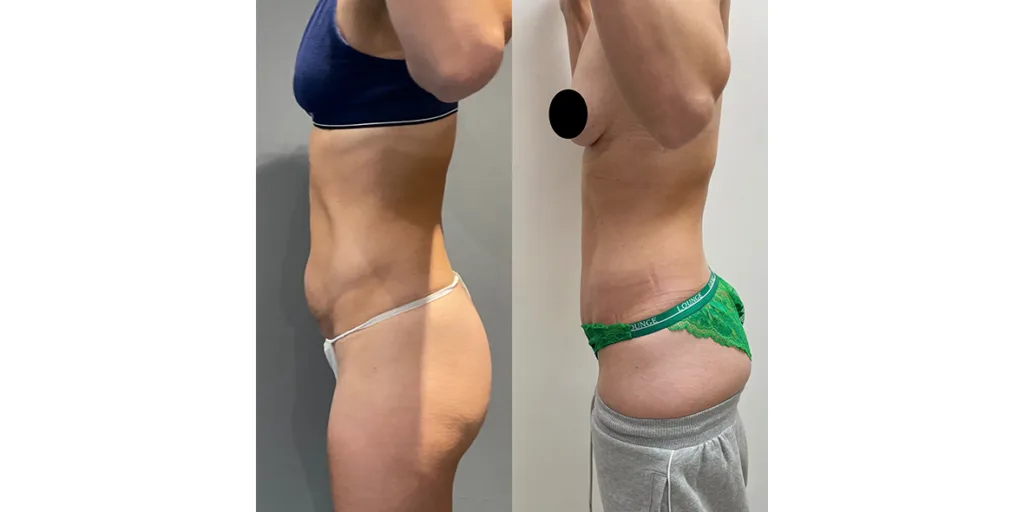
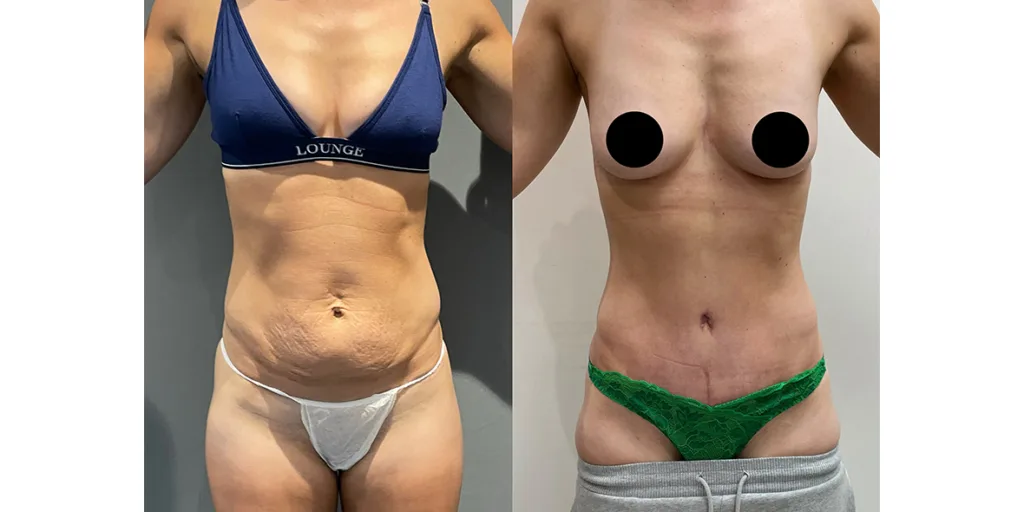
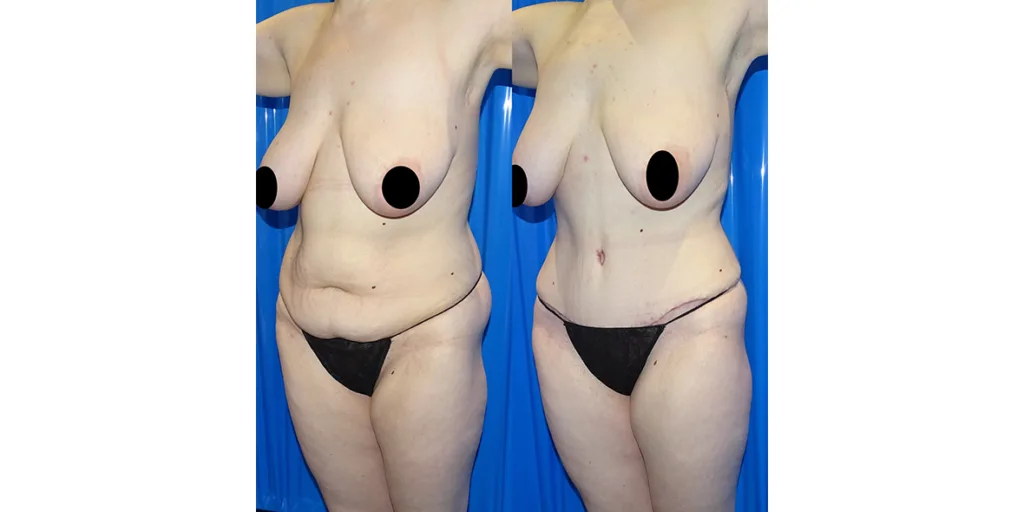
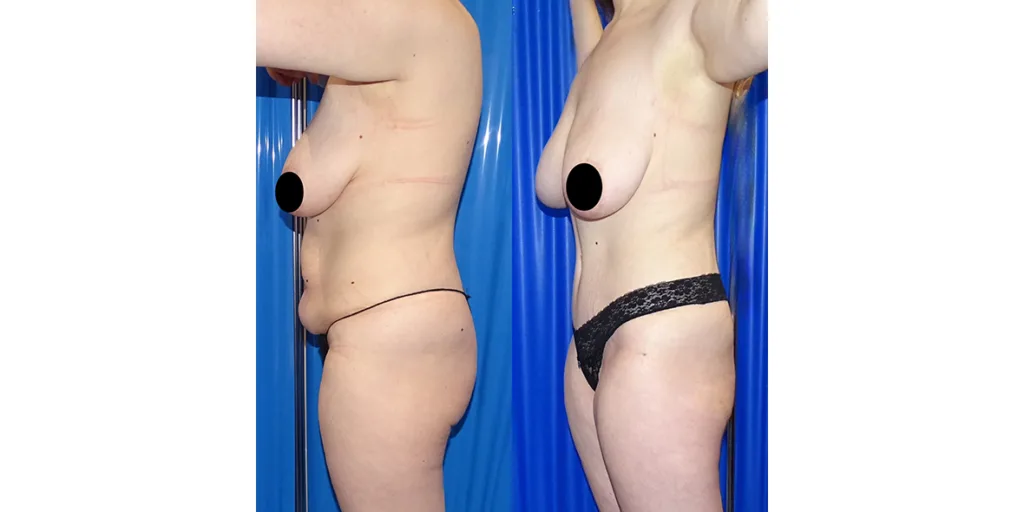
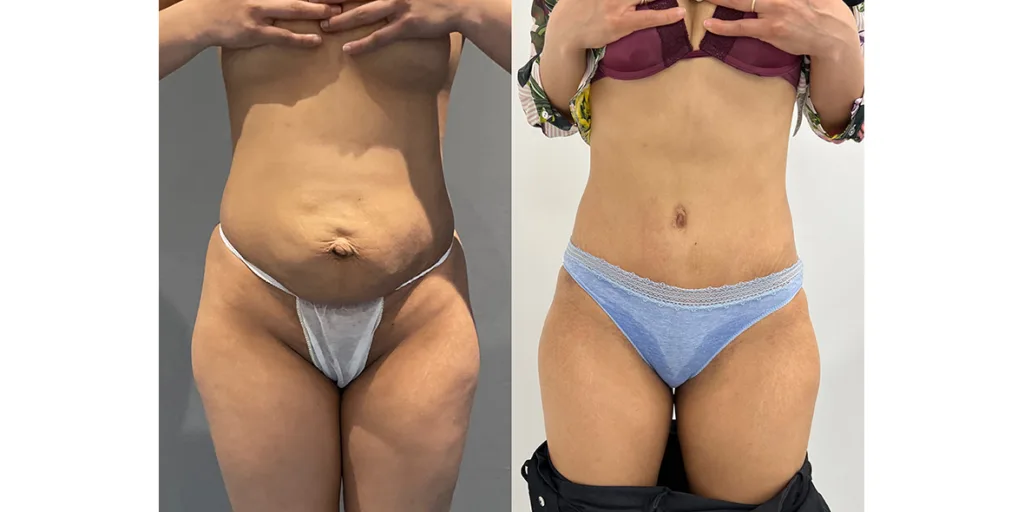
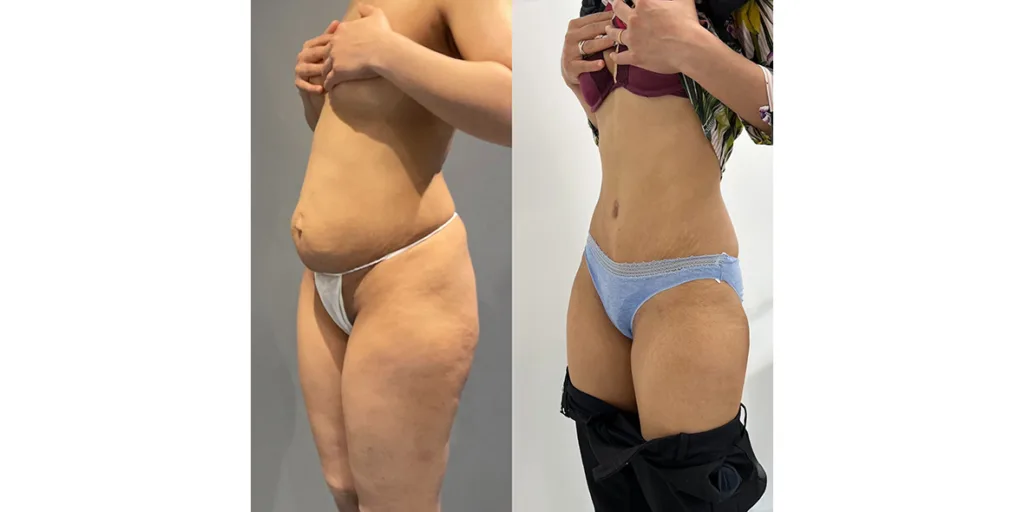
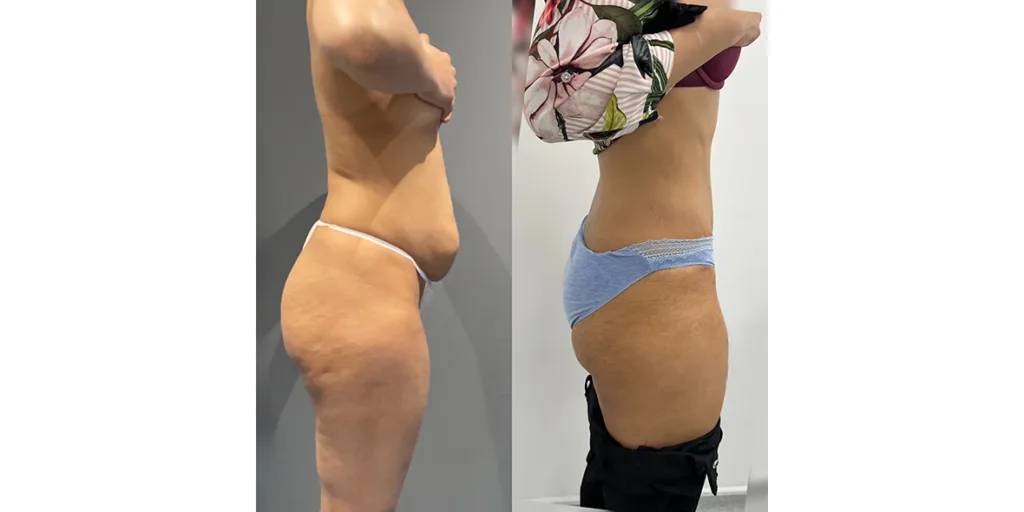
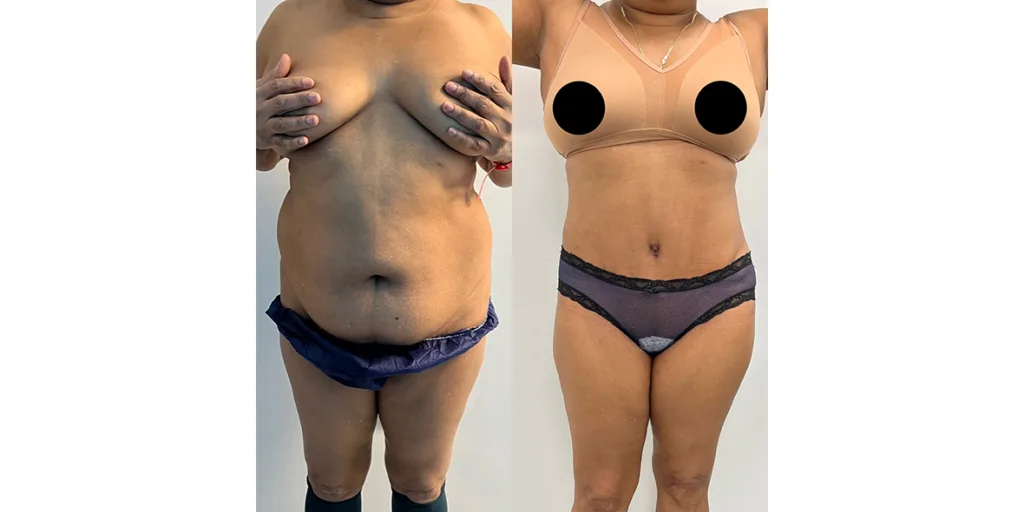
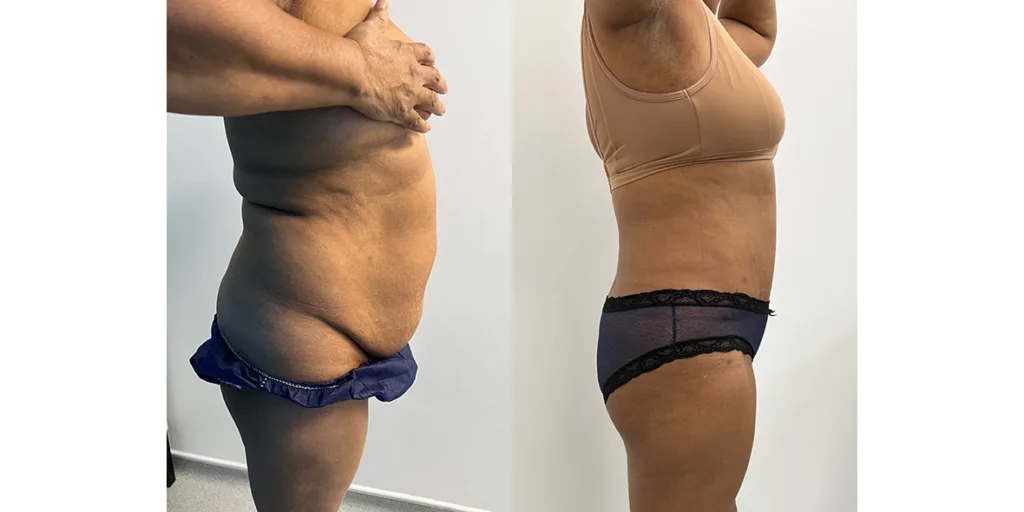
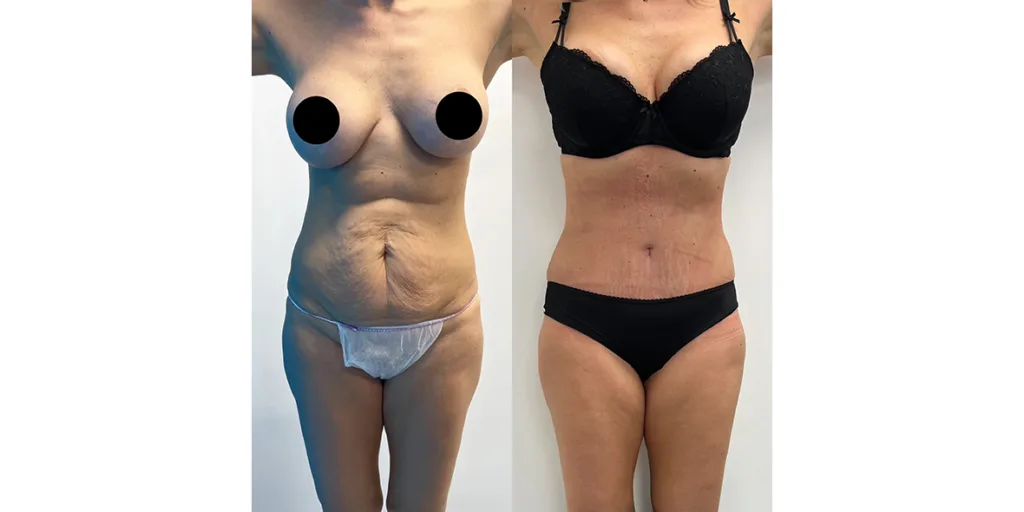
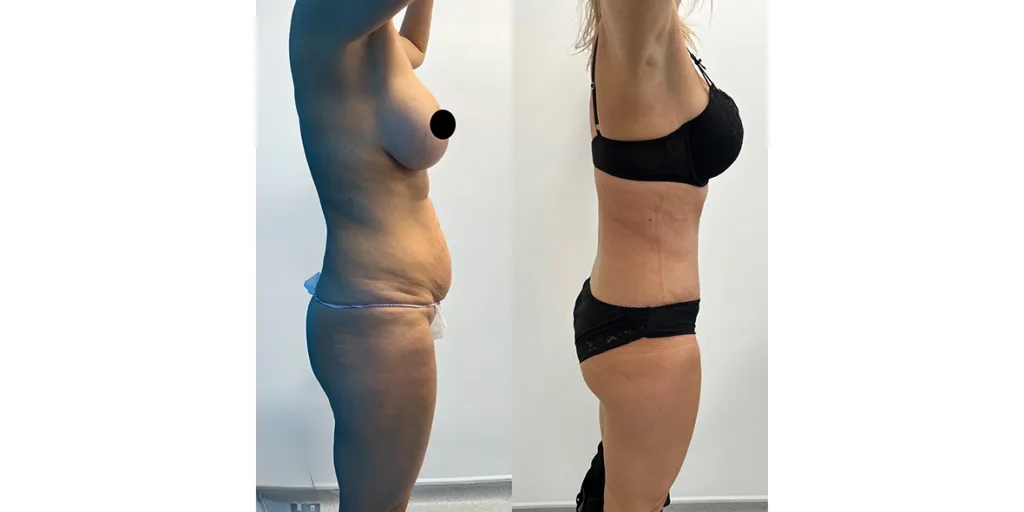
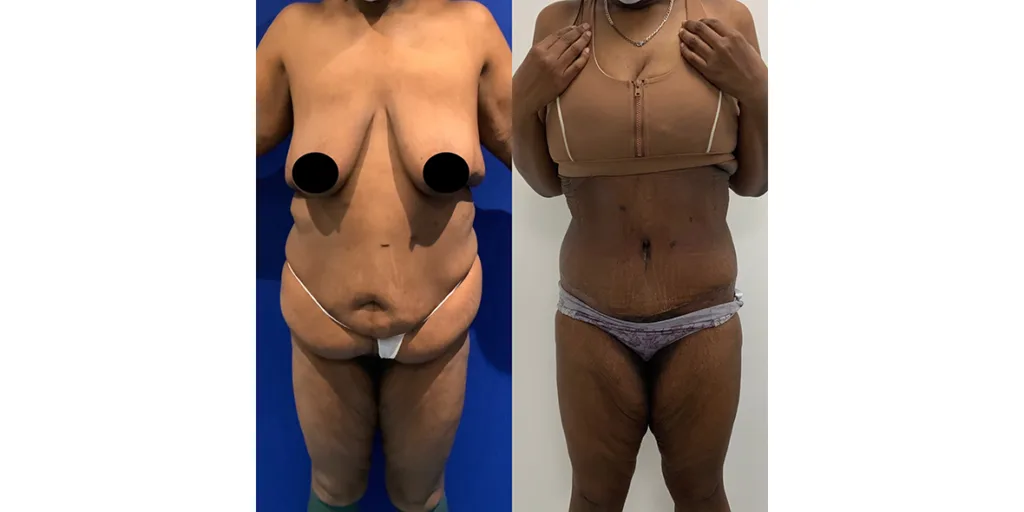
The images below show examples of patient outcomes following tummy tuck surgery.
Results vary depending on individual anatomy, the surgical approach, and the healing process. These examples are intended to illustrate the range of outcomes that may be achieved, rather than predict specific results.
Benefits of a Tummy Tuck
For appropriate patients, a tummy tuck may provide a range of functional and aesthetic improvements:
- Where abdominal muscle separation is present, repair of the abdominal wall may improve core support
- Some patients may experience improvement in symptoms associated with reduced core stability, such as posture-related discomfort
- Stretch marks located on excised skin may be removed as part of the procedure
- Removal of excess skin can improve abdominal contour and help reduce irritation or hygiene concerns
- Some patients also report increased confidence in their appearance following surgery, along with improved physical comfort.
It is important to note that outcomes of tummy tuck surgery can vary depending on individual anatomy, the surgical approach, and the healing process.
The CREO APEX Recovery System
What to Expect: Before, During & After
Before Surgery
– Maintain a stable, healthy weight in the lead-up to surgery
– Arrange support from friends or family for the early stages of recovery
– Start getting used to sleeping on your back in the days before your surgery, as this will be necessary throughout recovery
– Stop smoking at least four weeks prior to surgery
Pre-operative preparation also includes clinical assessment, blood tests, and a detailed briefing to ensure you understand the procedure and recovery process.
Day of Surgery
Following surgery, you will be monitored during the initial recovery period. Discharge may occur on the same day or after an overnight stay, depending on the procedure and your individual recovery.
Initial Recovery
Many abdominoplasty patients can return to light daily activities within 1–2 weeks, depending on the extent of the surgery. Exercise is typically reintroduced gradually over several weeks in line with clinical guidance.
Final Results Timeline
Final results become more apparent as swelling settles, which can take several months, with continued refinement up to 6–12 months after surgery.
Risks, Limitations & Considerations
As with any surgical procedure, a tummy tuck carries potential risks and limitations. These are discussed in detail during the consultation to ensure you have a clear, informed understanding before proceeding.
Scarring is an expected part of surgery. Care is taken to place incisions in areas that can be concealed where possible, and to support optimal healing, but the appearance of scars will vary between individuals.
It is also important to understand that outcomes, recovery time, and final appearance can vary based on individual anatomy, the surgical approach, and the healing process. A tummy tuck is not a weight-loss procedure, and weight changes after surgery may affect results.
Potential risks may include:
- Infection
- Seroma (fluid accumulation)
- Delayed healing
- Asymmetry
- Changes in sensation
- These risks are carefully managed through surgical planning, technique, and structured aftercare, but cannot be eliminated entirely.
Costs & Financing Options
The cost of a tummy tuck at the CREO Clinic depends on the type of tummy tuck procedure performed and the complexity of the surgical plan. Pricing reflects the level of surgical work required, as well as the structured aftercare included as part of the treatment.
Typical Starting Prices:
- Mini tummy tuck: from £8,900
- Full tummy tuck: from £10,900
- Lipoabdominoplasty: from £14,250
- 360 Lipo + abdominoplasty: from £16,500
What is Included:
Treatment at CREO Clinic is designed as a comprehensive surgical package. This typically includes:
- Surgeon and anaesthetic fees
- Use of CQC-registered surgical facilities
- Pre-operative assessments and blood tests
- Post-operative follow-up and monitoring
- Structured aftercare, including treatments such as lymphatic drainage massage and scar management, where appropriate
Financing your tummy tuck
CREO Clinic offer finance options through Chrysalis Finance, allowing eligible patients to spread the cost of treatment.
Interest-free and longer-term payment plans may be available, subject to approval.
Why Choose CREO Clinic
CREO Clinic focuses on delivering abdominoplasty through a structured, consultation-led approach, emphasising clinical decision-making, patient safety, and long-term outcomes.
Trusted Expertise
Procedures are performed by Dr Omar Tillo, a specialist in body contouring with extensive experience in abdominoplasty and related procedures. His approach is based on detailed anatomical assessment and careful surgical planning.
Dr Tillo is a Fellow of the Royal College of Surgeons (FRCS) and a member of the British Association of Aesthetic Plastic Surgeons (BAAPS), reflecting recognised clinical standards and ongoing professional development.
Integrated Aftercare
Recovery is supported through CREO Clinic’s structured aftercare approach, which includes follow-up consultations and treatments designed to support healing and optimise outcomes. This forms part of the overall treatment plan rather than an optional add-on.
Tummy Tuck FAQs
How long does tummy tuck recovery take?
What results can a tummy tuck achieve?
Will a tummy tuck tighten abdominal muscles?
How visible are tummy tuck scars?
The appearance of scars improves over time and can be supported through structured aftercare.