





Otoplasty, sometimes known as ear correction surgery, is a surgical procedure designed to alter the position, shape, or size of the ears. It may be appropriate for patients experiencing ear asymmetry or those who have concerns about ear prominence or shape.
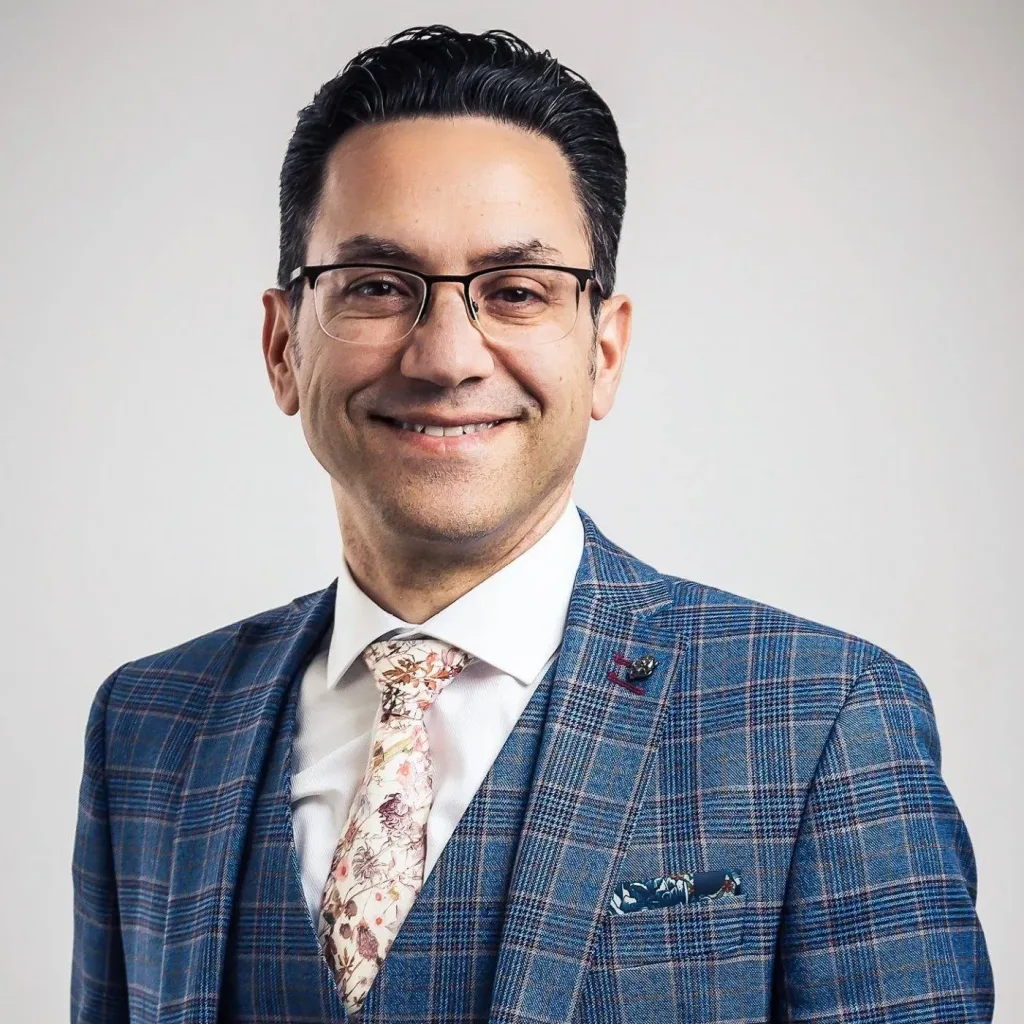
All otoplasties at the CREO Clinic are performed by Dr Omar Tillo, our Medical Director and GMC-registered Specialist plastic surgeon who has performed hundreds of otoplasties throughout his career. He is also a member of the British Association for Aesthetic Plastic Surgeons (BAAPS) and a Fellow of the Royal College of Surgeons (FRCS).
There are different types of otoplasty surgeries, each aligning with particular physical and aesthetic concerns. At the CREO Clinic, Dr Tillo performs ear pinning, earlobe repair, and earlobe reduction. The approach taken will depend on his assessment during an initial one-to-one consultation with the patient, during which a bespoke treatment plan is created.
Surgery at a Glance
Treatments
1Results
ImmediateAnesthesia
General, Local or SedationSurgery Time
1-3 hoursMobility
ImmediateFull Recovery
6 weeksWhy Otoplasty Surgery Matters
Patients may consider an otoplasty as a treatment for structural ear concerns or aesthetic ones. The procedure can help to enhance facial balance and comfort, but also offer potential boosts to confidence and a reduction in self-consciousness.
Addressing Prominent or Asymmetrical Ears
For some people, the ears can protrude more significantly from the sides of the head, often as the result of underdevelopment or the absence of an antihelical fold (fold inside outer rim of cartilage), excess conchal cartilage, or a combination thereof. These are structural issues that can be addressed via otoplasty, and work to make lasting, long-term adjustments that help boost symmetry across the face.
Improving Facial Balance and Proportion
Ears play a pivotal role in facial balance and symmetry, which means that significantly prominent or asymmetrical ears can affect the appearance of the face as a whole. Repositioning the ears with an otoplasty can help adjust their shape or adherence to the sides of the head and may result in a more proportionate appearance overall.
Supporting Long-Term Confidence and Comfort
The cumulative impact of long-term ear protrusion or asymmetry can result in a loss of confidence in the appearance. Not only can significant protrusion or asymmetry have an effect on physical comfort, such as when wearing certain hats or glasses, but it may cause a patient concern throughout their lifetime.
Otoplasty surgery can help to address protrusion and asymmetry and potentially alleviate some of the concerns that led to the loss of confidence or associated negative self-image.
How Otoplasty Surgery Works
The surgical approach used in otoplasty surgery depends on the specific structural or anatomical concern being addressed. Ear prominence, difference in ear or earlobe size, and asymmetry may each require a different technique, selected by Dr Tillo following clinical assessment and discussion of the patient’s treatment goals.
What Happens During Otoplasty Surgery
The exact technique used during ear correction surgery varies according to the individual clinical presentation. For ear pinning, also known as pinnaplasty, a small incision is typically made behind the ear in a natural crease where the ear meets the scalp; this usually allows the scar to be well concealed. From this incision, Dr Tillo can access the ear cartilage and, where clinically appropriate, reshape or reposition it. Skin may also be removed where required.
Permanent sutures may be used in selected areas to support the cartilage in its new position over the long term. Whether cartilage reshaping, skin excision or permanent sutures are required depends on the patient’s anatomy and the degree of correction planned. The incision itself is closed with dissolving sutures, then a head bandage is applied before the patient is discharged.
Earlobe repair follows a separate procedural pathway. Where an earlobe is split, stretched or otherwise damaged, the affected tissue is carefully prepared and closed using dissolvable sutures. Earlobe reduction involves removing a planned amount of excess tissue before reshaping and closing the earlobe to reduce its size or improve asymmetry. The precise approach used for either procedure is determined during consultation.
Earlobe Repair, Earlobe Reduction and Ear Positioning Techniques
We have outlined below some of the key otoplasty techniques and the types of concerns these techniques are typically used to address.
| Type | What it addresses | Technique |
| Ear pinning (pinnaplasty) | Protruding ears | Incision behind the ear; skin removal; cartilage reshaping or partial excision where clinically required; permanent sutures may be used to hold the new position |
| Earlobe reduction | Oversized earlobes; asymmetry | Removal of a planned amount of tissue followed by reshaping and closure of the earlobe |
| Earlobe repair | Split, stretched, or enlarged earlobes; closed piercings | Repair and closure tailored to the individual presentation |
Anaesthetic, Procedure Length & Surgical Environment
Otoplasty surgery is typically performed under local anaesthetic, but can be performed under general anaesthetic or sedation if clinically indicated. For most cases, local anaesthetic will be appropriate.
The surgery usually lasts between one and three hours and is always performed in CQC-registered surgical facilities. Most patients are discharged on the same day as the procedure, often within a few hours of its completion.
Recovery and Immediate Aftercare
For the majority of patients, day-to-day light activities can be resumed after 48 hours, but there should be no strenuous exercise performed for at least two weeks to give the scars enough time to heal.
Once the local anaesthetic has worn off on the day of surgery, patients may experience discomfort or mild to moderate pain around the treatment sites. This is typically manageable with appropriate pain relief, including over-the-counter pain medication where advised by your surgical team. The level of discomfort varies between individuals and depends on factors such as the extent of the procedure and each patient’s healing response, but symptoms generally improve as the initial healing process progresses.
Patient Feedback & Outcomes
Is Otoplasty Right for You?
Suitability for otoplasty is assessed on an individual basis during a one-to-one consultation with Dr Tillo. The points below give a general indication only, and final eligibility depends on clinical assessment of ear anatomy, skin quality, and the degree of correction required.
Who It’s For
– Have prominent ears that protrude noticeably from the sides of the head and wish to have them repositioned closer to the skull
– Have asymmetry between the two ears, whether in position or earlobe shape or size
– Are unhappy with the shape/size of one or both earlobes
– Are in good general physical health
– Are non-smokers, or are willing to abstain from all nicotine products for at least two weeks before and after surgery
– Have realistic expectations of what otoplasty can achieve, including an understanding that perfect symmetry cannot be guaranteed and that some natural variation between the ears may remain after surgery
– Are 18 years of age or above
Who It May Not Be Right For
– Have active skin conditions, infections, or wounds near or around the ear that have not resolved prior to surgery
– Are currently taking blood-thinning medications or supplements that cannot be paused before surgery
– Smoke or use nicotine products and are unable to stop for at least two weeks before and after the procedure
– Have keloid scarring tendencies, as this may affect how incision scars heal
– Have unrealistic expectations, particularly expectations of perfectly symmetrical results; some degree of natural asymmetry is likely to remain in most patients
Otoplasty Techniques & Procedure Options
The approaches used to address structural or aesthetic issues with the earlobes or position of the ears are chosen according to their appropriateness for the clinical case. Below, we outline some of these otoplasty types and discuss the procedural options available.
Ear Pinning Surgery
Ear pinning, which is sometimes referred to as a pinnaplasty, is a colloquial term that is synonymous with otoplasty in day-to-day use, but it is a specific surgical technique that refers to repositioning the ear closer to the head without making any intentional changes to its contour.
Many patients searching for Otoplasty surgery may have ear pinning in mind, as this is a common correction. However, Otoplasty is the umbrella term used to catch a wide range of ear corrections.
Cartilage-Sparing Techniques
For some patients, surgeons may suggest suture-only techniques to avoid making incisions in the cartilage itself. The use of Mustardé sutures (sutures to adjust or create an antihelical fold) without scoring the cartilage itself can help preserve the integrity of cartilage and help to reduce the risk of irregularities.
Whether this ear-pinning technique is used depends on the thickness and flexibility of the cartilage when assessed at the initial consultation.
Revision Otoplasty
A secondary correction may be necessary in cases where earlier ear-pinning or earlobe correction surgery performed at another clinic has produced an asymmetrical over- or under-corrected result, or where pinnaplasty sutures have loosened over time. A revision may be more complex than the primary otoplasty, given resulting scar tissue that may limit access.
Given the potential complexity, a revision surgery requires thorough preoperative assessment to determine the correct approach.
Before & After Results
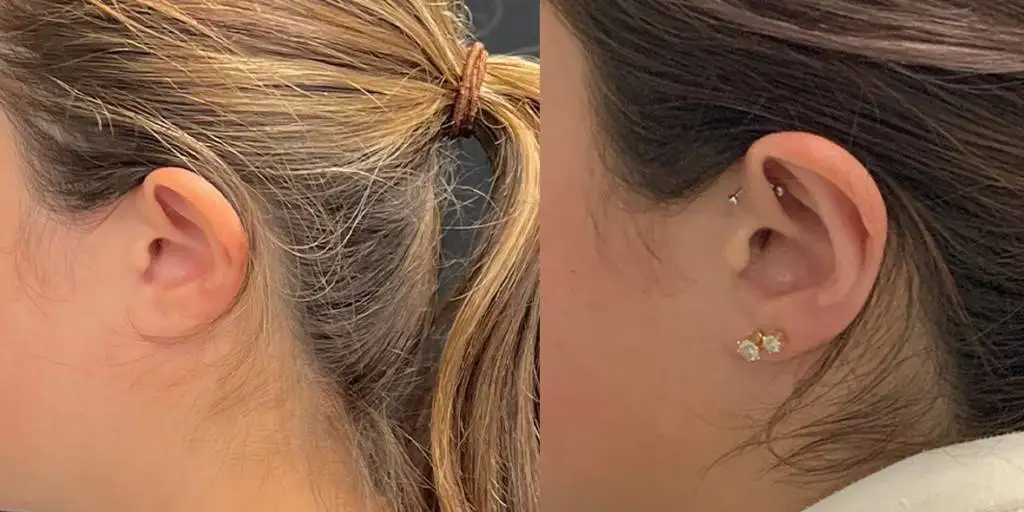
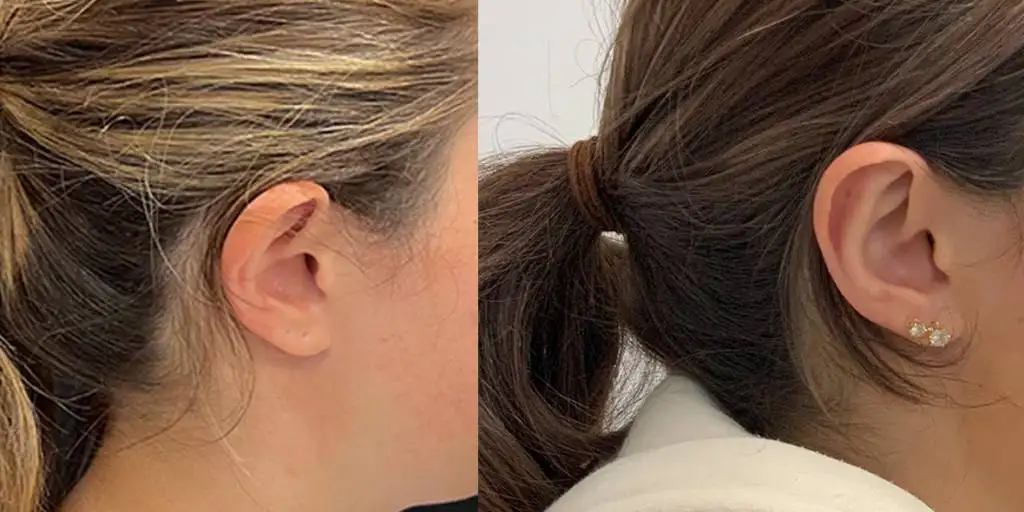
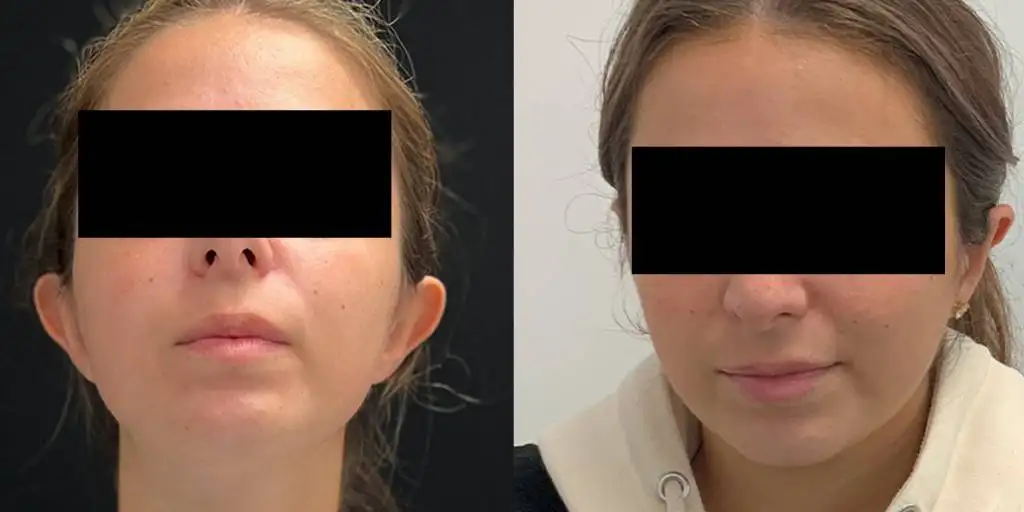
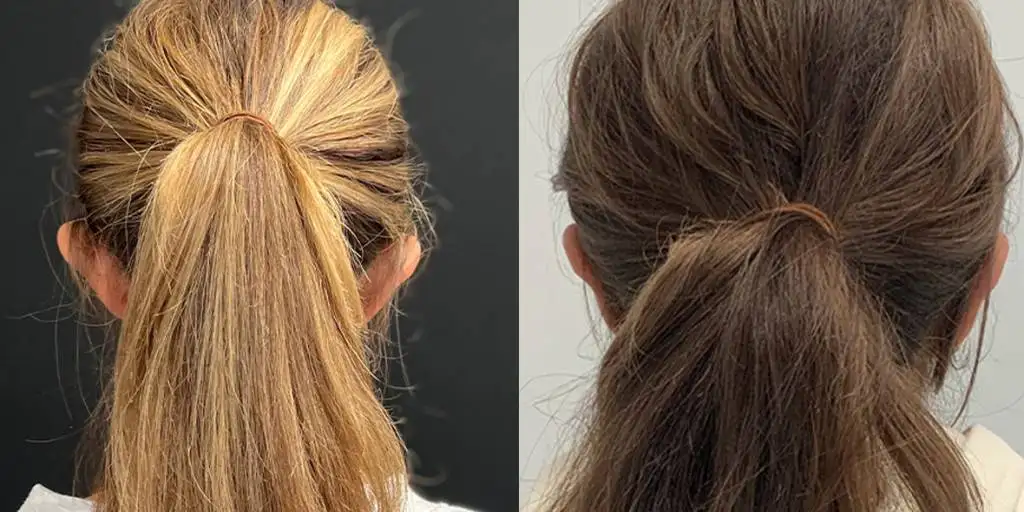
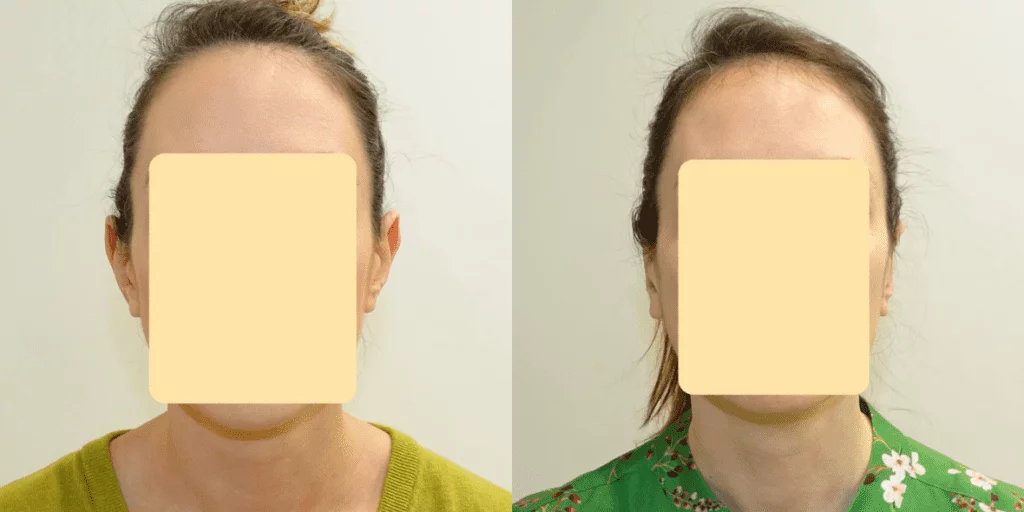
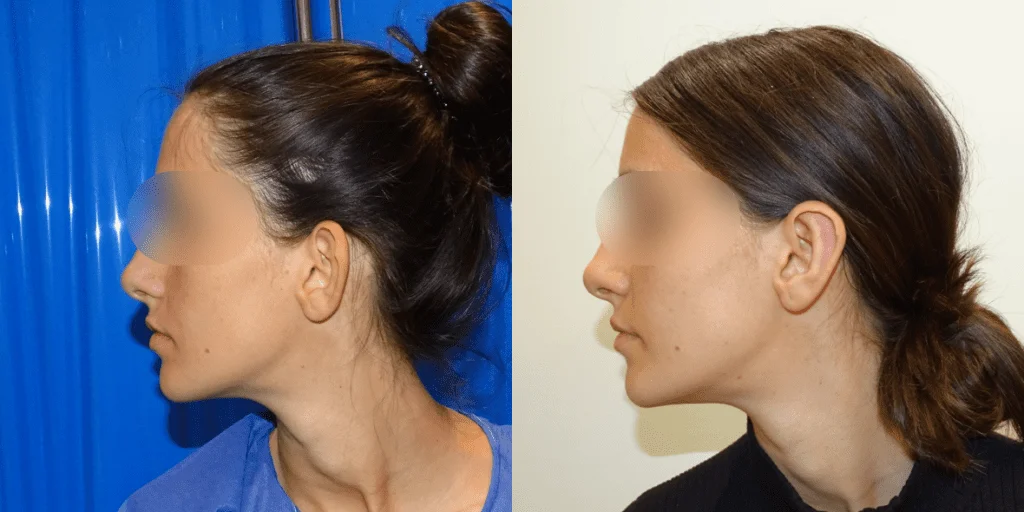
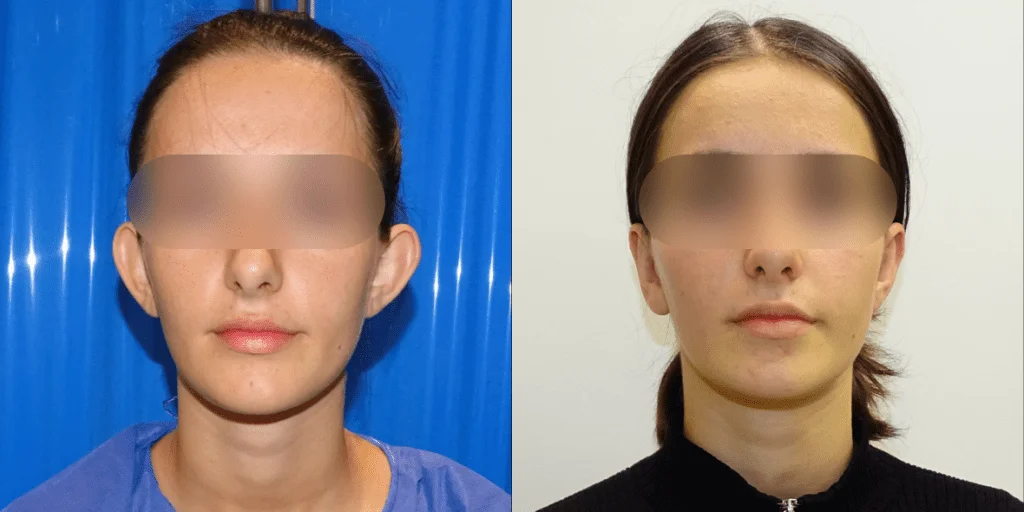
The gallery below presents real-life otoplasty patients who underwent the surgery at the CREO Clinic. Results vary between patients, but the images below give a sense of potential otoplasty outcomes.
The CREO APEX Recovery System
What to Expect: Before, During & After
Before Surgery
Stop nicotine consumption: Abstain from smoking, vaping, and all nicotine products for at least two weeks before surgery, as nicotine restricts blood flow and increases the risk of poor wound healing and infection at the incision sites
Review your medications and supplements: Let Dr Tillo know about every medication you are taking, including blood thinners, aspirin, and supplements such as fish oil or vitamin E, which can increase bleeding risk. Do not stop any prescribed medication without first checking with your GP
Arrange transport home: Otoplasty is a day case procedure regardless of the anaesthetic used, and you will not be able to drive yourself home. Arrange for a responsible adult to collect you and stay with you for the first few hours after discharge
Prepare your recovery environment: Have loose-fitting clothing that opens at the front rather than being pulled over the head, as dressing and undressing will need to avoid disturbing the bandaging around your ears in the first week
Plan for time off: Most patients are able to return to desk-based work within a few days, but arrange for any physically demanding commitments to be covered for the initial recovery period
The Day of Surgery
And before you are discharged, a head bandage is carefully applied. You cannot drive on the day of your surgery; therefore, a responsible adult must be able to act as a chaperone.
Early Recovery and Swelling
Swelling, bruising, and some tenderness around the ears are normal in the first one to two weeks, but this will gradually ease as healing progresses. Sleeping on your back is recommended during the early recovery period to avoid placing pressure on the ears. A significant proportion of post-operative swelling has generally subsided by around six to eight weeks, though final ear shape and position continue to refine as healing completes over the following months.
Returning to Work, Exercise & Daily Activities
Contact sports and any activity that could place pressure, impact, or pulling force on the ears should be avoided for at least eight weeks. Recovery milestones are assessed on an individual basis, and guidance may vary according to the technique used and assessments made during follow-up consultations.
When Final Results Become Visible
Risks, Limitations & Considerations
While otoplasty is generally considered one of the lower-risk surgical procedures available, complications can still occur, and the risks and limitations should be considered carefully. Outcomes vary between patients depending on ear anatomy, cartilage characteristics, skin quality, and individual healing response.
Surgical Risks and Complications
As with any surgery, there are potential risks and complications both during and after an otoplasty. For example, infection, excess bleeding, issues with healing, and over/under correction can all occur. Haematoma and seroma formation are also a possibility.
All surgeries are performed in CQC-registered surgical facilities that are carefully monitored to mitigate surgical risks; however, while it is possible to minimise the risks, they cannot be ruled out completely. During consultation, Dr Tillo will explain the risks and benefits relevant to your circumstances in full.
Scarring, Asymmetry & Healing Variability
Some degree of scarring after surgery is inevitable, although otoplasty incisions are typically placed within natural creases behind the ear so that scars are usually well concealed. The final appearance of scars varies between individuals and continues to change as scar maturation progresses. Healing of otoplasty incisions varies according to individual anatomy and healing capacity, and a degree of natural asymmetry, even after the surgery, can occur in some cases.
Revision Surgery and Long-Term Expectations
Recurrence of ear protrusion after otoplasty surgery is uncommon, given the typically permanent nature of the sutures. However, long-term outcomes vary between patients. In cases where recurrence occurs, or the patient is dissatisfied with the symmetry or degree of protrusion remaining, a revision may be necessary to make further adjustments following clinical assessment.
Otoplasty Costs & Financing Options
The cost of otoplasty at the CREO Clinic depends on the type and complexity of correction required, and on the anaesthetic approach used. A tailored, all-inclusive quote is provided following consultation with Dr Tillo once the most appropriate treatment plan has been agreed.
At the CREO Clinic, otoplasty surgery begins from £3,900 with local anaesthetic and £5,200 if general anaesthetic or sedation is deemed appropriate. Earlobe repair: In cases of damage or malformation to the earlobe, begins from £3,700.
What the Cost of Otoplasty Includes
All prices include surgeon, anaesthetist where applicable, and nursing fees; use of CQC-registered facilities; pre-operative assessments; post-operative dressings and head bandaging; and follow-up appointments. Because treatment plans are tailored to the individual patient, a personalised quotation is provided following consultation with Dr Tillo.
Factors That Influence Pricing
The main variables that may affect final otoplasty cost are:
- Anaesthetic approach: Local anaesthetic procedures are priced lower than those requiring general anaesthetic or sedation, as theatre time and staffing requirements differ
- Extent of correction required: Procedures addressing multiple concerns, such as both ear prominence and earlobe reshaping, may involve longer surgery time and additional planning
- Revision cases: Secondary correction following a previous otoplasty performed elsewhere typically involves greater surgical complexity, which is reflected in the final quote
Financing and Payment Options
If deemed appropriate, financing options may be available through CREO Clinic’s external finance partner, Chrysalis Finance, including interest-free loans over a 12-month period, with longer-term plans available at increased rates of interest.
Any financing arrangements are subject to eligibility criteria. Financing should be considered only after the clinical suitability of the procedure has been established via consultation.
Why Choose CREO Clinic
At the CREO Clinic, we structure our treatments around surgeon-led clinical planning, emphasising specialist expertise and fully integrated aftercare. We are committed to patient safety, robust clinical governance, and evidence-based surgical practice, supporting informed decision-making and long-term care throughout the patient journey.
Specialist Facial Surgery Expertise
One of the CREO Clinic’s core principles is the provision of specialist surgeons with a focus on the surgery they perform. Dr Tillo has extensive experience in otoplasty surgery and performs all otoplasties at our clinic.
Surgeon-Led Planning and Decision Making
All treatment planning at CREO is surgeon-led and based exclusively on clinical assessment rather than any commercial considerations or sales motivation. Dr Tillo will only recommend surgery if it is judged clinically appropriate after a thorough one-to-one consultation.
Integrated Recovery and Aftercare
APEX Aftercare is a detailed aftercare system included as standard at the CREO Clinic with all otoplasty procedures. For an otoplasty, the APEX aftercare system includes nutritional support via vitamin supplements and the use of advanced sutures and dressings to support recovery and wound healing. Laser scar treatment is also included in cases where scar healing requires it. Follow-up consultations are included as standard to monitor wound progression as it heals.
A Selective, Patient-Centred Approach
The CREO Clinic is selective with its treatment planning, focusing on suitability and safety as well as realistic, patient-centred preparations that give all patients a clear picture of what to expect from their surgery and what not to expect. No treatment is recommended unless it is appropriate for their clinical and cosmetic goals.