






A male breast reduction, also known as gynaecomastia surgery, is a procedure that aims to reduce the size of the male breast in patients who have enlarged glandular tissue, excess fat, or a combination of both, as confirmed by a one-to-one clinical consultation.
Gynaecomastia is the term used to describe naturally enlarged male breasts that have become a physical concern; a condition experienced by approximately 60% of men in the UK. Reduction surgery works to flatten and contour the shape of the male chest, helping address these imbalances in size or projection. Male breast reduction can provide a long-term improvement in chest contour where the underlying causes of gynaecomastia have been appropriately addressed.
All gynaecomastia surgeries at the CREO Clinic London are performed by our Medical Director and Plastic Surgeon, Dr Omar Tillo, who is a member of the British Association of Aesthetic Plastic Surgeons (BAAPS) and Fellow of the Royal College of Surgeons (FRCS). He can be found in the GMC Specialist Register.
He has performed more than 1,200 chest procedures over the course of his career and contributes to UK surgical guidelines, which he also teaches to other BAAPS members.
Surgery at a Glance
Anesthesia
Sedation or GASurgery Time
1-3 HoursMobility
24 HoursWashing
ImmediateOff-Work
7 DaysExercise
2 WeeksFull Recovery
12 WeeksWhy Male Breast Reduction Matters
Patients may consider male breast reduction where chest fullness has developed due to glandular tissue, excess fat, or a combination of both. Surgery may be appropriate in cases where weight management and other lifestyle changes have not affected the gynaecomastia, which may be causing limitations to physical activity and physical discomfort.
Understanding Gynaecomastia and Chest Tissue
There are three main tissue types in the chest that can contribute to gynaecomastia. The composition of tissue, particular to each patient, affects how the treatment plan is developed:
- Glandular tissue: Firm non-lipid tissue beneath the nipple-areola complex (NAC) that may increase the size of the breast. Glandular tissue can only be addressed via surgical excision and does not respond to diet or exercise.
- Excess fat: Where fat is in excess in the male chest, it may contribute to the overall size of the breast. Excess fat in the breast without the presence of enlarged glandular tissue is sometimes referred to as pseudogynaecomastia and may be addressed via liposuction alone.
- Excess lax skin: Excess inelastic skin can develop through weight fluctuations or natural ageing processes. A one-to-one clinical assessment can establish whether skin laxity needs to be addressed alongside liposuction or glandular excision.
Liposuction-Only Male Chest Reduction
In cases where excess fat is the primary cause of enlarged breast tissue, a liposuction-only chest reduction may be considered. Subject to a consultation that establishes fat as the main contributing factor, liposuction can be used to target pockets of excess fat, working to reduce overall chest size and improve chest contour.
Combining Liposuction and Gland Excision
The most common presentation of gynaecomastia involves a combination of enlarged glandular tissue and excess fat. In such cases, a combined approach of liposuction and gland excision may be the most appropriate clinical course. The removal of excess glandular tissue may help reduce overall chest size, while targeted liposuction can help create a smoother chest contour, with the aim of achieving a result consistent with the patient’s overall anatomy.
Chest Tightening and Skin Reduction Techniques
Additional chest tightening and skin reduction techniques may be required when skin laxity is judged to be a relevant part of the clinical picture. This is more typical in cases of substantial weight loss, but can also be appropriate in standard gynaecomastia surgery to help improve the long-term appearance of the chest following tissue removal.
Radiofrequency-assisted liposuction (BodyTite) can be used in combination with gynaecomastia to help reduce skin laxity while extracting fat, or specific skin-tightening treatments, such as Renuvion, may be deemed more appropriate. The degree of laxity and clinical needs assessed in each patient will determine the type of skin-tightening techniques used.
How Gynaecomastia Surgery Works
The surgical approach used in male breast reduction depends on the composition of the tissues, the grade of the gynaecomastia, and the surrounding skin quality. Treatment goals will play a key role in decision-making. The surgery may involve liposuction, gland excision, skin reduction, or any combination of these, according to the patient’s anatomy and clinical needs.
What Happens During Surgery
Once anaesthetic has been administered, the surgical area is marked, and the procedure begins. The most common surgical approach for gynaecomastia is direct gland excision through a small incision (approximately 3cm wide) placed at the lower border of the areola. This provides direct access to the dense glandular tissue behind the nipple.
Depending on the individual presentation, additional or alternative techniques may be used:
- Liposuction-assisted gland excision: Liposuction is used first to thin and loosen the surrounding tissue before removing the remaining dense gland, helping achieve smoother contour transitions
- Pull-through technique: Small fragmented portions of gland are removed through liposuction access incisions rather than a formal periareolar incision, which may reduce visible scarring in selected patients but is less suitable for very dense or large glands
- Endoscopic techniques: Less commonly used; performed through small remote incisions using camera-assisted instruments; more technically demanding and not routinely required
A key principle of modern gland excision is avoiding over-removal. Historically, aggressive complete excision of the gland led to issues such as crater deformity and nipple tethering. Current techniques typically preserve a thin layer of tissue beneath the nipple to maintain a smooth contour and prevent skin adhesion to the underlying muscle.
All incisions are carefully closed using dissolvable sutures and techniques designed to support optimal healing and minimise the long-term visibility of scarring.
Liposuction vs Gland Excision
It is important to understand the distinction between liposuction and glandular excision. In cases of gynaecomastia caused by excess fat alone, liposuction can be used to target and remove this fat. Where gynaecomastia is caused by glandular tissue, excision of the glandular disc beneath the NAC is required.
Whether liposuction alone, glandular excision alone, or a combination of both is appropriate is determined at the initial consultation following assessment of tissue composition in the chest.
Anaesthetic and Procedure Duration
In general, a male breast reduction is a day case procedure performed under local anaesthetic. A general anaesthetic may be used where judged appropriate based on the complexity of the patient’s clinical needs; patients undergoing treatment for more significant skin tightening may require a general anaesthetic. All anaesthetic options can be accommodated, provided they are clinically appropriate.
The surgery typically lasts between one and three hours, depending on the complexity of the treatment plan.
Day Case Surgery and Recovery Planning
In the majority of cases, patients are discharged within a few hours of the procedure, once monitoring has confirmed they are recovering well and safe to return home. A compression garment is provided immediately after surgery and must be worn throughout the recovery period, as this may help reduce swelling and support healing.
Patients should be accompanied by a responsible adult for the first 24 hours after surgery, and home responsibilities such as childcare or pet care should be delegated for the initial stages of recovery.
Patient Feedback and Outcomes
Is Male Breast Reduction Right for You?
Suitability for male breast reduction depends on anatomy, tissue composition, skin quality, health history, and clinical assessment rather than preference alone. Final suitability can only be confirmed following consultation with Dr Tillo.
Who It Is For
Male breast reduction may be appropriate for patients who:
– Are experiencing persistent chest fullness caused by glandular tissue, excess fat, or a combination of both
– Are experiencing nipple puffiness
– Have a stable weight and a BMI of 30 or below (Use of BMI Calculator to check)
– Are 18 years old or above
– Are in good general physical and psychological health
– Have realistic expectations of what male breast reduction can achieve
– Are not currently taking anabolic steroids or other medications known to cause or worsen gynaecomastia, or are willing to stop under medical supervision before surgery
– Understand that results depend on tissue composition, skin quality, and individual healing
Physical and Anatomical Considerations
The primary considerations are the amount of glandular tissue present, the degree of excess fat and skin, and the patient’s BMI/weight loss history.
Patients with predominantly fatty chest fullness may be suitable for liposuction alone. Patients with a dense glandular disc behind the nipple may require direct excision. Many patients present with a combination of both, and liposuction alone is typically insufficient in such cases.
Skin quality assessment
Physical signs that may indicate the need for additional skin tightening include:
– Loose or hanging tissue
– Stretch marks
– Poor skin recoil when the skin is pinched and released
– Low or downward-pointing nipples
– Significant expected volume reduction following surgery
– History of weight loss
– Reduced skin elasticity in older patients
Skin tightening options
Skin excision techniques may include circumareolar excision or extended chest lift patterns, which will produce a degree of additional scarring. The treatment plan involves balancing the degree of chest flattening achievable against the resulting scar burden.
In some cases, additional techniques may also be considered, such as:
– Chest sculpting and contouring to define the pectoral border
– Fat grafting to address contour irregularities or upper chest hollowing
– Management of asymmetry or chest wall deformities
– Revision techniques for crater deformity, tethering, residual gland, or contour irregularities
Who It May Not Be Right For
– Have a BMI above 30
– Have an underlying medical or hormonal condition that is causing or contributing to gynecomastia and has not yet been assessed or treated, as surgery may be premature until the underlying cause has been addressed-
– Are currently using anabolic steroids or medications known to cause glandular breast tissue development and are unwilling or unable to stop
– Use nicotine products and are unable to abstain for at least four weeks before surgery
– Are prone to significant fluctuations in weight, which may affect long-term results
– Have skin laxity severe enough that additional skin tightening procedures would be required, and are not prepared for the additional complexity or scarring this involves
– Do not have realistic expectations of surgical outcomes
– Have underlying health conditions that may increase the risk of surgical complications
Procedure Variants and Alternatives
The most appropriate surgical approach for gynaecomastia depends on the severity of the condition, the ratio of glandular tissue to fat, the surrounding skin quality, and the patient’s individual clinical needs. The three main approaches are outlined below, and the technique recommended for each patient is determined at consultation.
Liposuction-Only Male Chest Reduction
Gynaecomastia Surgery With Gland Excision
Chest Tightening for Skin Excess
The most appropriate male breast reduction technique cannot be determined by appearance alone. Treatment selection depends on the proportion of glandular tissue and fat present, the quality and elasticity of the skin, the severity of the gynecomastia, and the patient’s treatment goals. During consultation, Dr Tillo performs a detailed clinical assessment to determine which approach, or combination of approaches, is most appropriate for the individual patient.
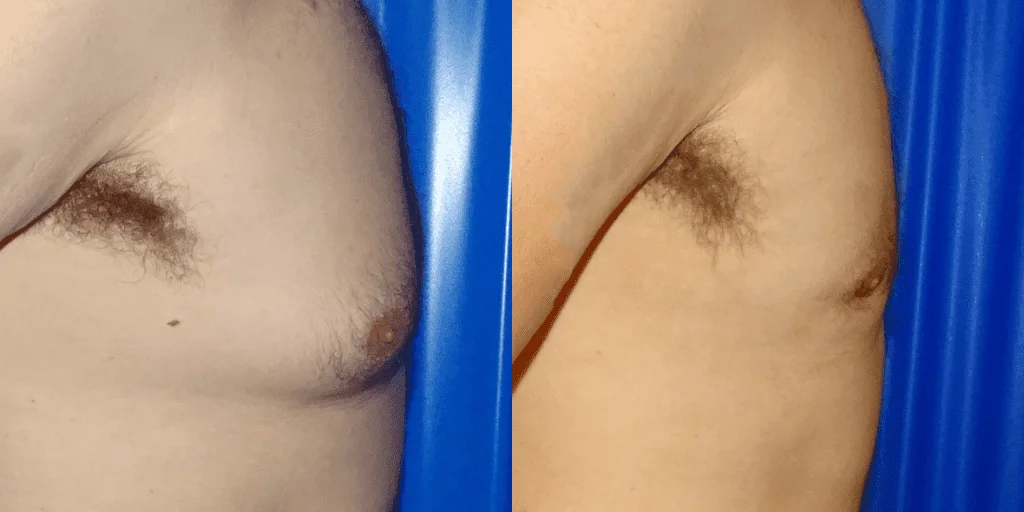
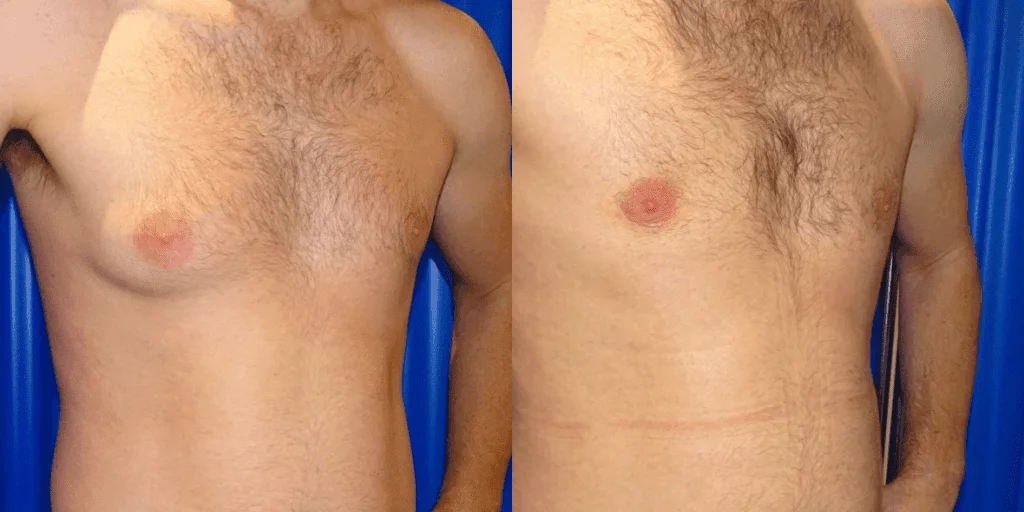
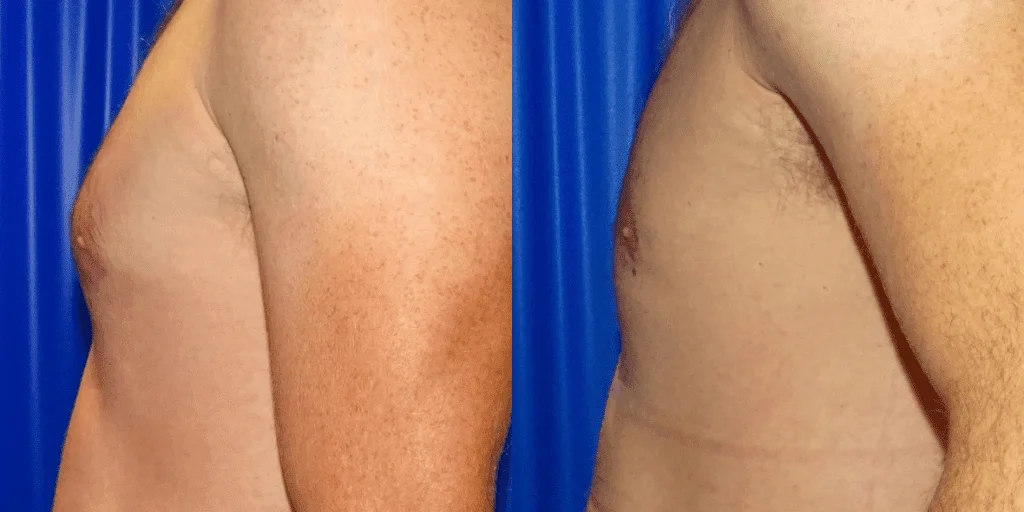
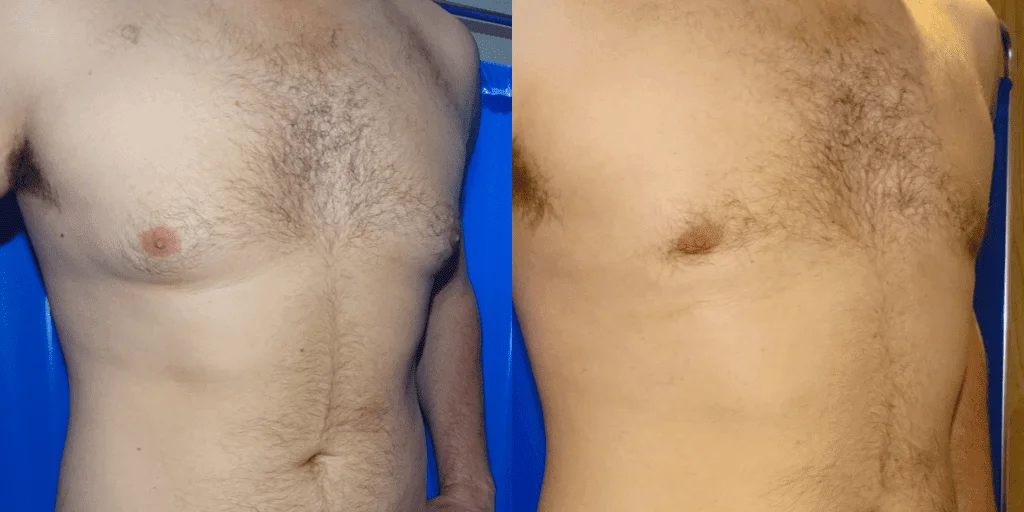
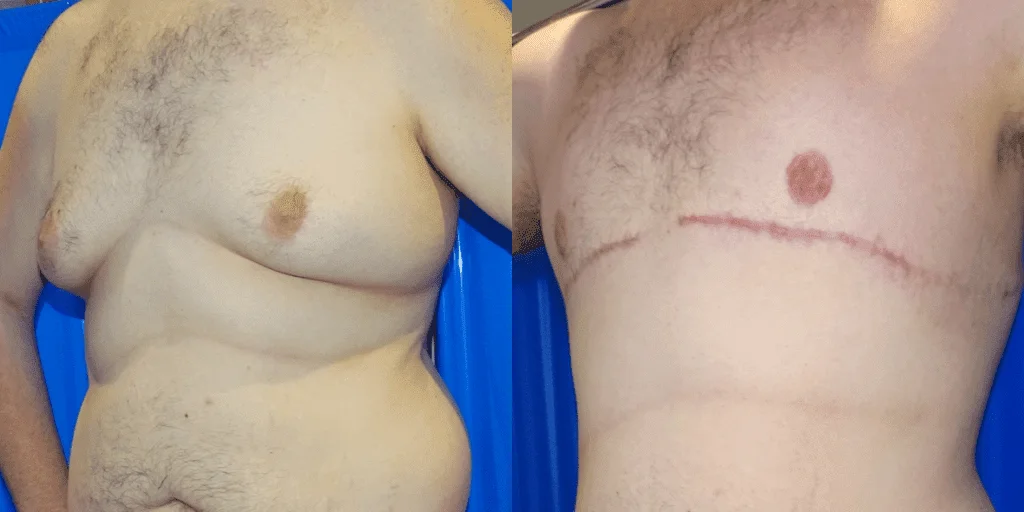
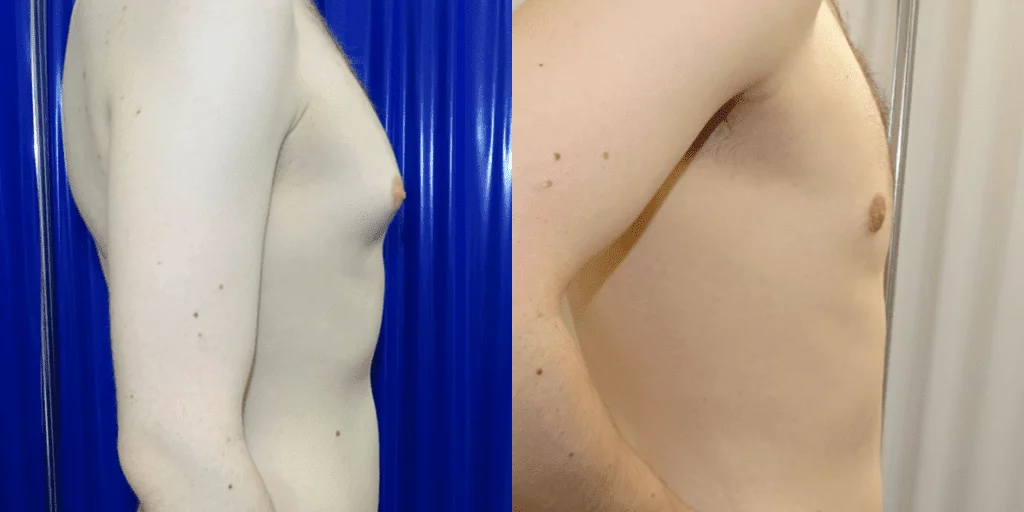
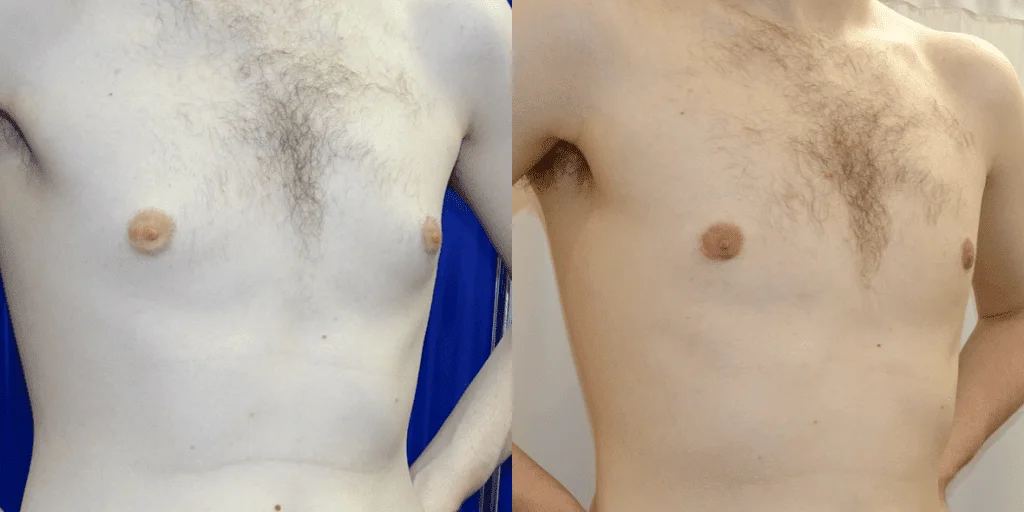
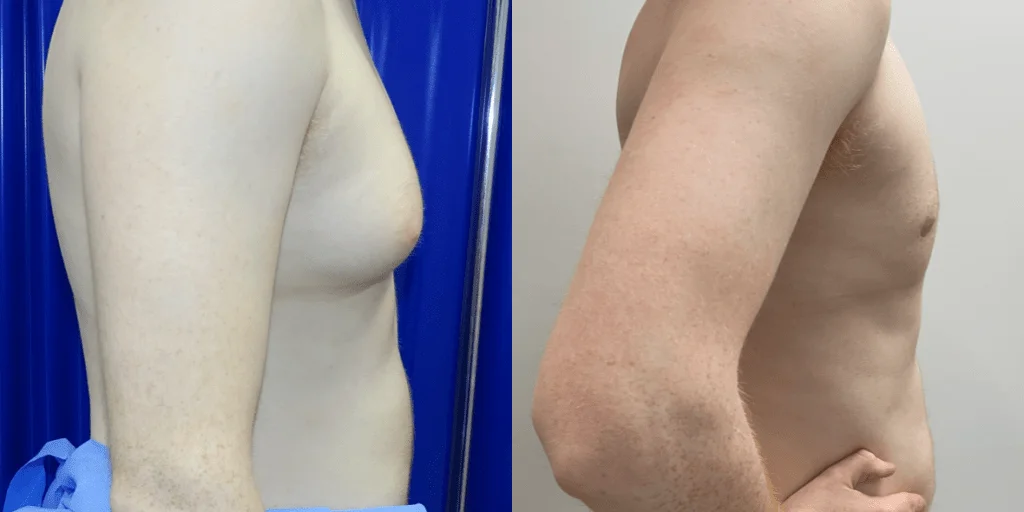
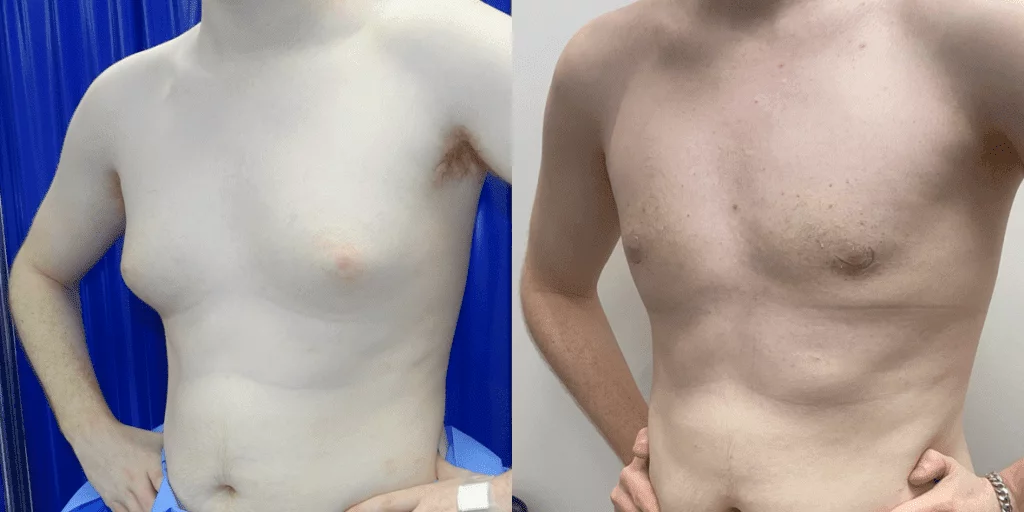
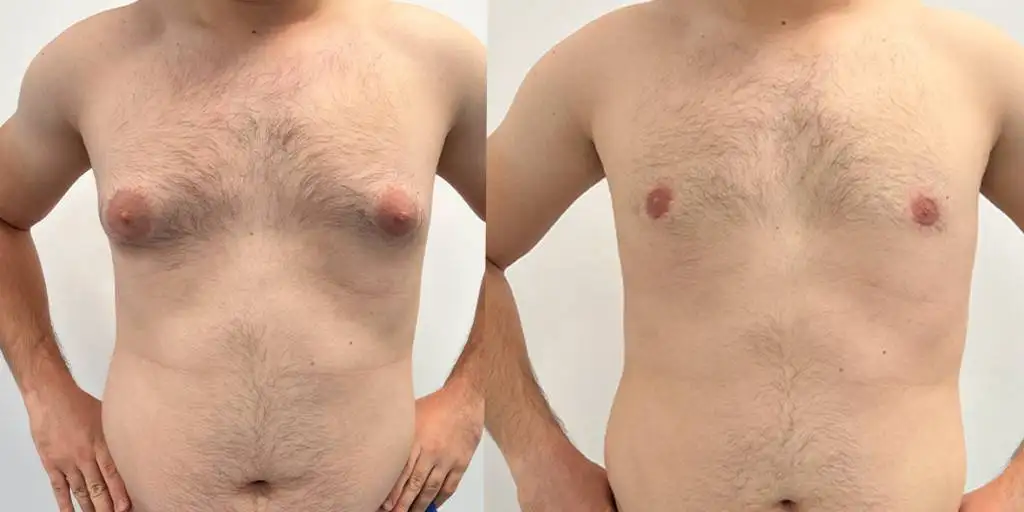
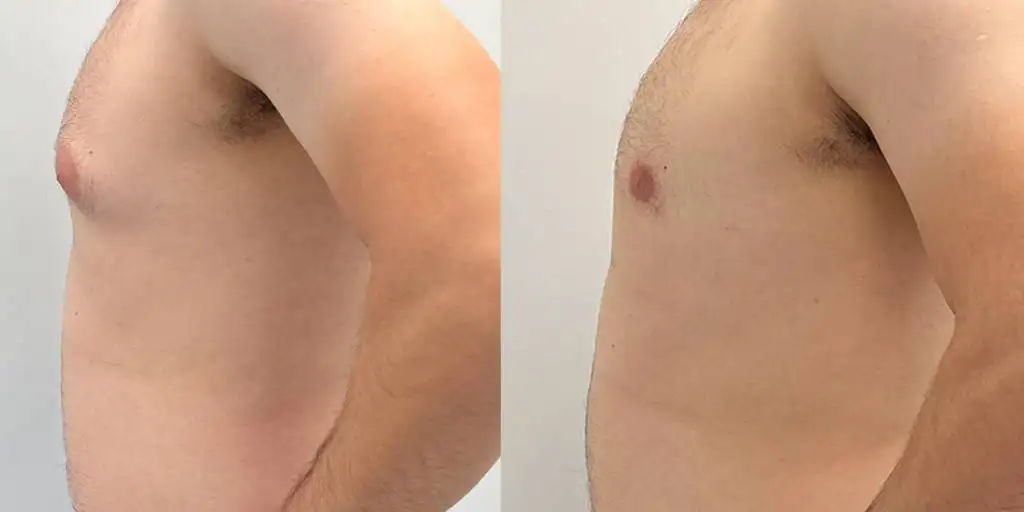
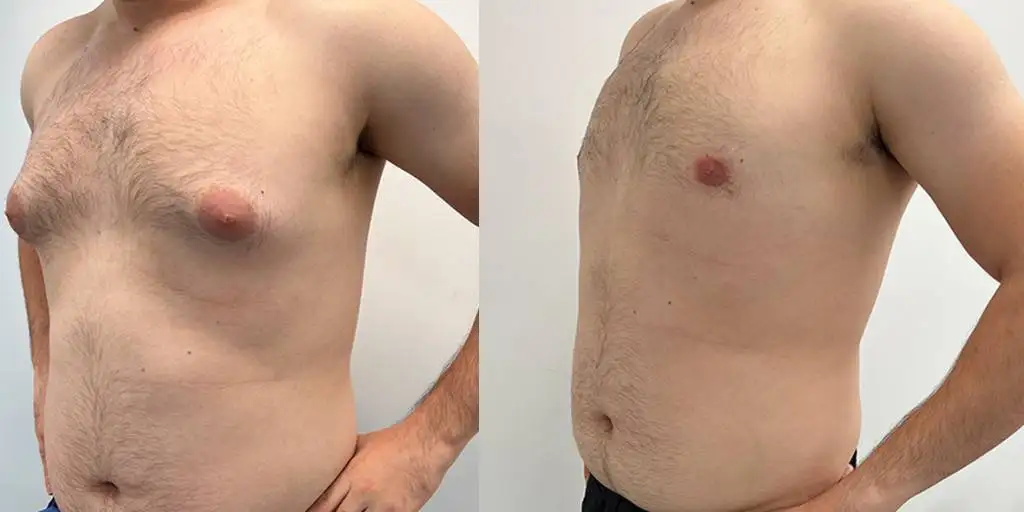
Before and After Results
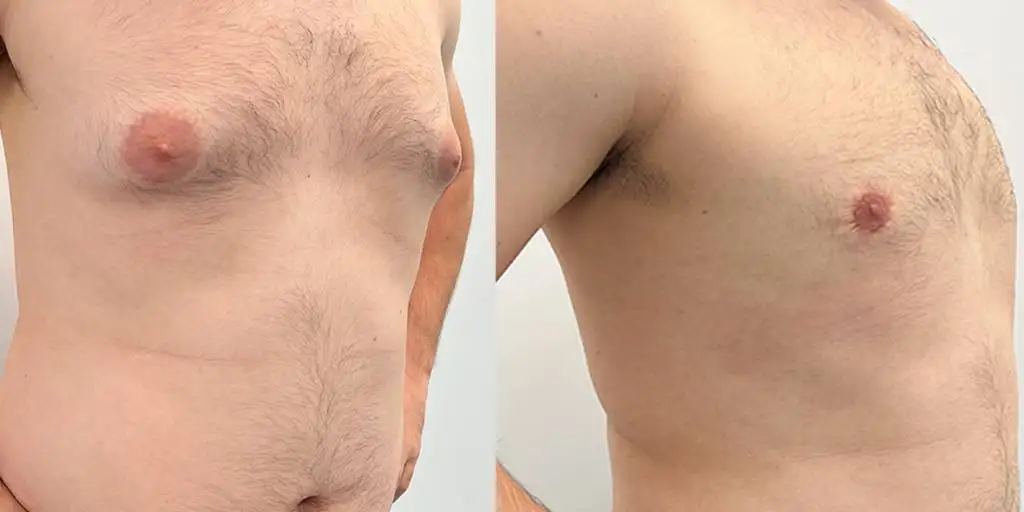
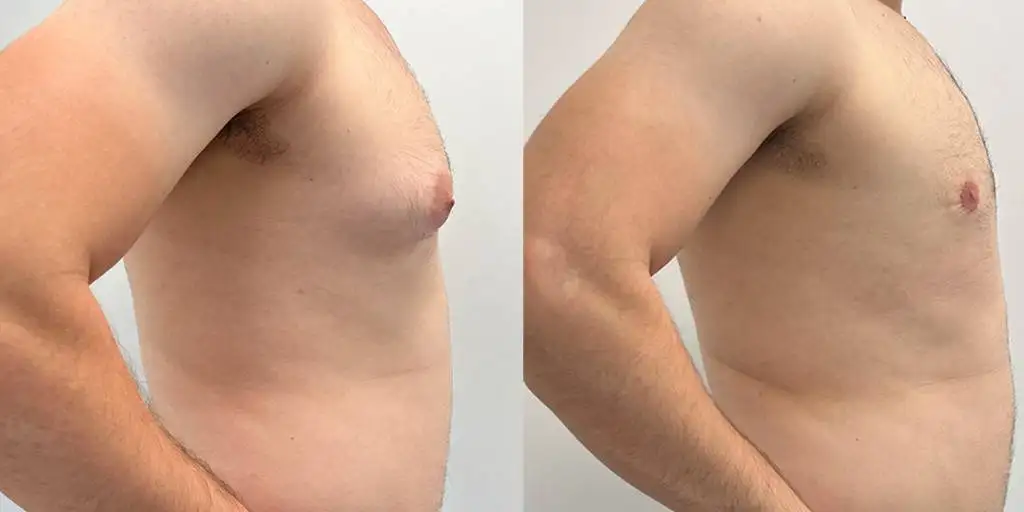
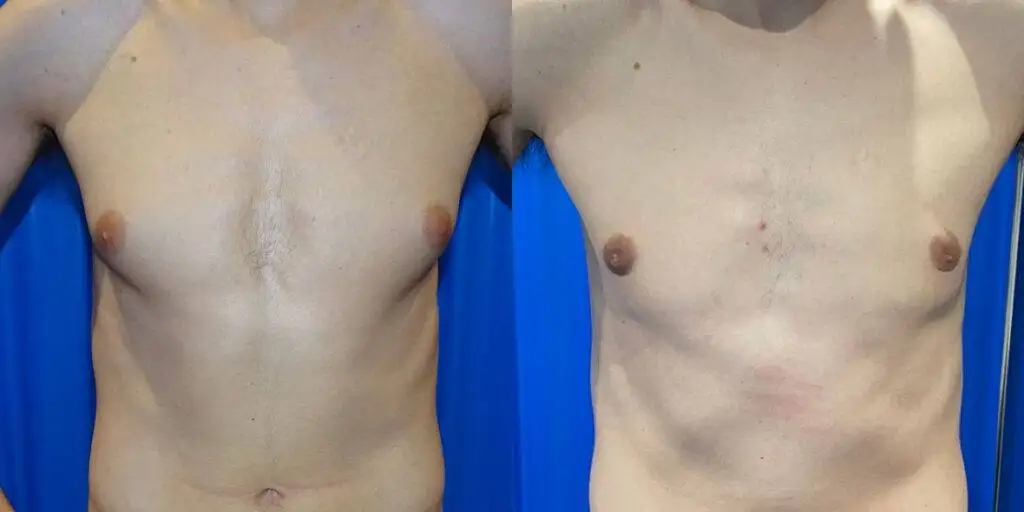
The gallery below shows images of real CREO Clinic patients demonstrating the potential outcomes of gynaecomastia surgery. Results vary according to the severity of gynaecomastia, the surgical technique used, and the composition of the tissues involved. Final results typically become fully visible once residual swelling has completely subsided, which may take up to six months.
Benefits of Male Breast Reduction
The following outlines the potential benefits of male breast reduction for appropriate candidates. Outcomes depend on individual anatomy, the severity of the gynaecomastia, and the surgical techniques used.
- Relief from associated physical discomfort: Including back pain or postural issues in cases where chest size has placed strain on the upper body
- Improved comfort during physical activity: May help reduce discomfort or self-consciousness during exercise caused by the movement of excess breast tissue
- Alleviation of chafing and skin irritation: May reduce friction-related skin conditions such as intertrigo in the breast crease
- Improved clothing fit: May allow for greater comfort and choice in clothing following a reduction in chest size
- Reduced self-consciousness: For some patients, a flatter, more defined chest contour may support improved confidence and comfort in daily life
The CREO APEX Recovery System
What to Expect: Before, During and After
Understanding the surgical journey is an important part of the decision-making process. The following outlines what to expect from preparation through to final results.
Before Surgery
Maintain a stable weight: Where possible, maintain a stable weight and a BMI of 30 or below in the weeks before surgery, as weight fluctuations can affect both surgical planning and the quality of your final results
Stop nicotine consumption: Abstain from smoking, vaping, and all nicotine products for at least four weeks before surgery, as nicotine may increase the risk of surgical complications and impair wound healing
Limit alcohol intake: Reduce alcohol consumption, particularly binge drinking, in the two weeks before surgery to support post-surgical healing
Review medications: Inform Dr Tillo of all medications and supplements you are taking, including blood thinners and testosterone therapies. Some medications may need to be paused before surgery, but you must not stop any prescribed medication without first consulting your GP
Arrange transport and support: Gynaecomastia surgery is a day case procedure, but you will not be able to drive yourself home. Arrange for a responsible adult to collect you and remain with you for the first 24 hours following surgery
Prepare your home for recovery: Set up a comfortable recovery space in advance and arrange any childcare or pet care responsibilities for the initial stages of your downtime
The Day of Surgery
Following the procedure, you will be monitored in recovery before being discharged once it is clinically appropriate to do so. Most patients return home the same day, although overnight stays can be arranged where required.
Initial Recovery and Compression Garments
A compression garment must be worn continuously for four to six weeks to help manage swelling and support healing. During this period, patients are advised to avoid sleeping on their front and to follow all post-operative guidance provided by the clinical team.
Returning to Exercise and Daily Activities
Light exercise can often be resumed after approximately 2 to 4 weeks, provided recovery is progressing as expected.
More strenuous activities, including heavy lifting and upper-body training, are typically delayed until around 4 to 6 weeks after surgery. Recovery milestones are assessed on an individual basis, and guidance may vary according to the surgical approach used and the patient’s healing progress.
Most patients have recovered from the initial effects of surgery within approximately 12 weeks, although recovery timelines remain variable between individuals.
When Final Results Become Visible
Risks, Limitations and Considerations
As with any surgical procedure, gynaecomastia surgery carries recognised risks. The surgical team takes every precaution to minimise these through high clinical standards, detailed surgical planning, and structured aftercare. Nevertheless, some risk does remain, and all potential complications will be discussed in full during your consultation with Dr Tillo.
Some potential risks and complications include:
- Scarring at the incision sites
- Changes to nipple or breast sensation, which may be temporary or, in some cases, longer-lasting
- Asymmetry in final results
- Contour irregularities or dimpling around the surgical site
- Prolonged numbness or swelling
- Adverse reaction to anaesthesia
- Haematoma or seroma formation
- Infection at the incision sites
- Deep vein thrombosis (DVT) or venous thromboembolism (VTE)
- Crater deformity: A depression around the nipple resulting from over-excision of glandular tissue. This is a recognised risk associated with gland excision and surgical planning is designed to avoid it. CREO offers dedicated assessment and treatment for this complication where required
All surgical procedures carry inherent uncertainty. Individual risk is discussed in detail during consultation, and Dr Tillo will only recommend surgery where the clinical case supports it.
Male Breast Reduction Costs and Financing
The cost of male breast reduction at the CREO Clinic depends on the surgical approach required, which can only be determined following a detailed consultation and clinical assessment. Factors such as tissue composition, skin quality, the presence of glandular tissue, and the overall complexity of the procedure all influence the final treatment plan and associated costs.
What Influences the Cost of Surgery?
Male breast reduction surgery starts from £2,900 when performed under local anaesthetic. Procedures involving liposuction begin from £4,900.
These figures represent less complex presentations, and final pricing varies according to the surgical techniques required and the time needed to perform them safely and effectively.
Pricing may include:
- Surgeon fees
- Anaesthetist fees and anaesthetic costs
- Use of CQC-registered surgical facilities
- Pre-operative investigations where required for surgical planning or anaesthetic assessment
- Compression garments
- Post-operative dressings and recovery supplies
- Follow-up appointments and routine aftercare
The primary factors that influence final pricing are:
- Surgical approach: Treatment may involve liposuction, gland excision, skin tightening techniques, or a combination of procedures, depending on the clinical findings
- Procedure complexity and duration: More complex cases typically require additional surgical time, planning and resources
- Skin tightening or skin reduction requirements: Additional procedures to address skin laxity may increase the overall complexity of treatment
- Anatomical asymmetry or contour correction: Cases requiring more extensive reshaping or balancing of the chest may require additional operative time
Because treatment plans are tailored to the individual patient, a personalised quotation is provided following consultation with Dr Tillo.
Finance and Payment Options
Financing options are available through CREO Clinic’s external finance partner, Chrysalis Finance, subject to eligibility and approval. The availability of specific finance products, repayment terms, and interest rates may vary over time.
As a guide, treatment prices currently start from:
| Procedure | Starting price |
| Gynaecomastia (local anaesthetic) | £2,900 |
| Gynaecomastia with liposuction (local anaesthetic) | £4,900 |
Where additional skin tightening or skin reduction procedures are required, costs vary according to the techniques used and the complexity of treatment. Final pricing is provided following clinical assessment and surgical planning.
Why Choose CREO Clinic
CREO Clinic is structured around clinically-led surgical planning, with an emphasis on specialist expertise and bespoke treatment plans complete with fully integrated aftercare. All decision-making at the clinic is surgeon-led, reached only via one-to-one consultations between surgeon and patient.
Specialist Plastic Surgeons With Anatomical Focus
A core principle of the CREO Clinic is that surgeries are performed by a specialist plastic surgeon, one with extensive experience in the surgery. For this reason, all male breast reductions are performed by Dr Omar Tillo, who has performed more than 1,200 chest procedures over his 15 years performing complex surgeries in both the NHS and private practice.
Consultation-Led Surgical Planning
To avoid conflict between commercial and clinical considerations, all CREO’s planning decisions are reached through a clinical consultation alone. A one-to-one consultation between patient and surgeon allows for a bespoke plan to be created, one that aligns the procedure with the patient’s personal treatment goals.
Integrated Recovery and Aftercare
The CREO Clinic’s APEX recovery system works to ensure that an optimised recovery is considered from the outset, with advanced suture techniques used during the procedure to aid post-procedural healing, and fully integrated aftercare to help bring clarity, comfort, and assist in scar management through the patient’s downtime and beyond.
Trusted by Patients Seeking Considered Surgical Care
Our clinic works hard to maintain high clinical standards, which are fully regulated by the CQC. Reviews by our verified patients on RealSelf show an average of 4.9 stars out of 5.