






Calf augmentation is a surgical procedure aimed at improving lower leg volume, contour, and symmetry through the use of silicone implants, fat transfer, or a combination of both. Suitability for calf augmentation and the surgical approaches used depend on the patient’s anatomy, treatment goals, and the outcome of a one-to-one clinical assessment.
All surgical planning and procedures at the CREO Clinic are carried out by Dr Omar Tillo, our Medical Director and GMC-registered specialist body contouring surgeon. Dr Tillo is a Fellow of the Royal College of Surgeons (FRCS) and a member of the British Association of Aesthetic Plastic Surgeons (BAAPS).
The CREO Clinic offers standard and custom-made calf implants, with treatment planning led by Dr Tillo’s lower-limb and body-contouring expertise. Where appropriate, custom implants may be considered for patients with specific anatomical requirements, asymmetry, or complex contouring goals, following detailed consultation and assessment.
Surgery at a Glance
Treatments
1Results
2-6 monthsAnesthesia
General AnaesthesiaSurgery Time
1-2 HoursOff-Work
2 WeeksExercise
4-8 WeeksFull Recovery
4-8 WeeksWhy Patients Consider Calf Augmentation
Patients may consider calf augmentation or a range of lower leg concerns, including proportion, asymmetry, congenital underdevelopment, injury-related changes, weight loss, or calf underdevelopment that has not responded as expected to training. In some cases, calf implants, fat transfer, or a combination of both may be considered as part of a clinically assessed treatment plan.
Asymmetry is not always congenital; lower leg volume and contour can also be affected by injury, weight loss, or differences in how the calf muscles develop. Where these concerns are suitable for surgical treatment, calf augmentation may help improve lower leg balance and symmetry following consultation-led assessment.
Improving Lower Leg Proportion
The size and shape of the gastrocnemius, otherwise known as the calf muscle, are largely genetically determined. Some patients find they have naturally small calves and that their training regime, body weight, or fitness level cannot significantly change this. Sometimes muscle hypertrophy does not occur proportionately, and patients can be left with underdeveloped calf muscles relative to the surrounding anatomy.
Augmenting the calves with fat transfer or implants may help address such imbalances and improve overall lower leg proportion.
Correcting Calf Asymmetry or Muscle Imbalance
For some patients, asymmetry in the calves can be congenital rather than acquired through injury or illness that results in muscle atrophy, such as clubfoot, poliomyelitis, or cerebral palsy. Natural asymmetry may be addressed with targeted applications of fat or a specialised, custom-made calf implant, accurately sized to match both calves.
Calf Enhancement After Weight Loss or Injury
Significant weight loss can produce structural asymmetries in the lower legs, sometimes due to muscle wastage during a period of insufficient nutrition. Efforts to maintain a balanced diet cannot always restore symmetry through muscle gain, and a calf augmentation may help top up an underdeveloped calf and improve lower leg contour.
Injury is also a potential cause of structural changes in the lower legs, as periods of rest due to fractures or nerve damage can lead to calf muscle atrophy. Loss of lower leg contour through injury may make a patient suitable for calf augmentation.
Enhancing Calf Definition When Exercise Alone Is Insufficient
For some patients, even consistent training and efforts to manage diet are insufficient to achieve their contour goals, often due to natural genetic limitations. Enhancing calf definition with target fat transfer or implants may help achieve these goals more effectively.
Patient Feedback and Outcomes
Is Calf Augmentation Right for You?
Patient suitability for calf augmentation is assessed during a one-to-one clinical consultation with Dr Tillo. The criteria below offer a general indication only; final eligibility can only be confirmed following clinical assessment of lower limb anatomy, tissue structure, and treatment goals.
Who It Is For
– Have persistent lower leg volume loss or underdevelopment that has not responded to sustained training and exercise
– Have calf asymmetry caused by congenital underdevelopment, injury, muscle imbalance, or structural difference between the two legs
– Have experienced tissue loss or lower leg contour change following significant weight loss or trauma
– Are at a stable weight and have been so for at least six months
– Have a BMI of 30 or below; use our BMI calculator to check
– Are in good general physical and psychological health
– Are non-smokers, or are willing to abstain from all nicotine products for at least four weeks before and after surgery
– Have realistic expectations of what calf augmentation can achieve, including an understanding of scarring, recovery, and outcome variability
Who It May Not Be Right For
– Have a BMI above 30
– Are currently smoking or using nicotine products and are unable to abstain for at least four weeks before and after surgery
– Have active infection, vascular disease, or circulatory conditions affecting the lower legs
– Are seeking exaggerated or disproportionate volume that exceeds what anatomy and implant sizing can safely achieve
– Have significant weight fluctuations or are actively losing weight, as this may affect long-term outcomes
– Have unrealistic expectations of surgical outcomes, including expectations of zero visible scarring or a completely natural feel
– Have underlying health conditions that increase surgical risk
– Are seeking calf augmentation as a substitute for exercise, where the underlying concern is general fitness rather than anatomical limitation
Calf Augmentation Options
Deciding the most appropriate augmentation approach depends on the patient’s anatomy, available donor fat, and the degree of volume change required according to their treatment goals. The options below are outlined as a guide; the final choice of approach is always determined by the clinician following clinical assessment.
Standard Silicone Calf Implants
Custom Calf Implants
Fat Transfer to the Calves
This approach may produce softer and more subtle enhancements in comparison to implants. In many cases, fat transfer can create results that align more closely with the surrounding tissue in terms of appearance and feel.
Fat retention from a fat transfer procedure can be variable, as some transferred fat is reabsorbed during recovery. This approach also requires sufficient donor fat, and the final level of volume retention cannot be predicted with complete certainty. Dr Tillo accounts for this during the procedure by transferring additional fat to counterbalance the expected reabsorption.
Combined Implant and Fat Transfer Procedures
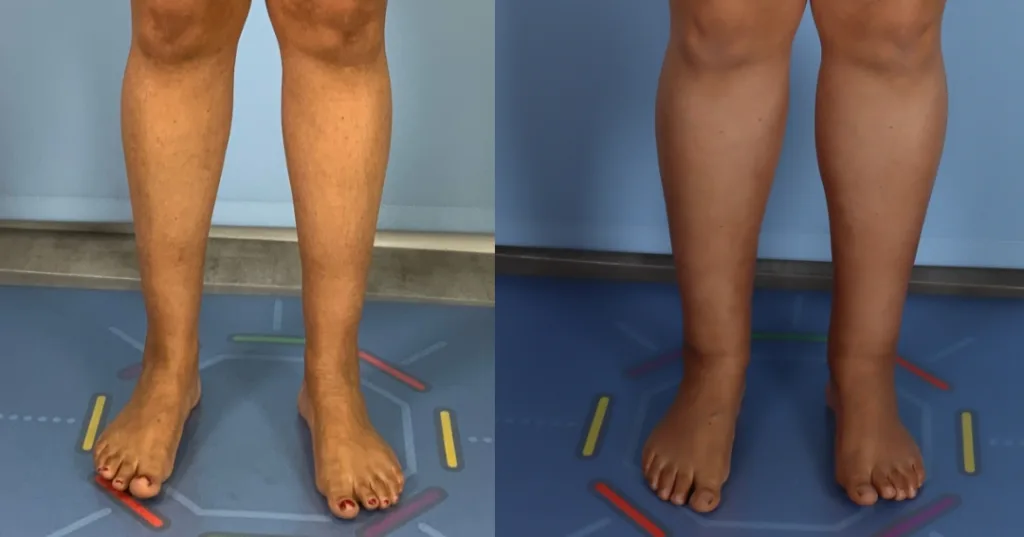
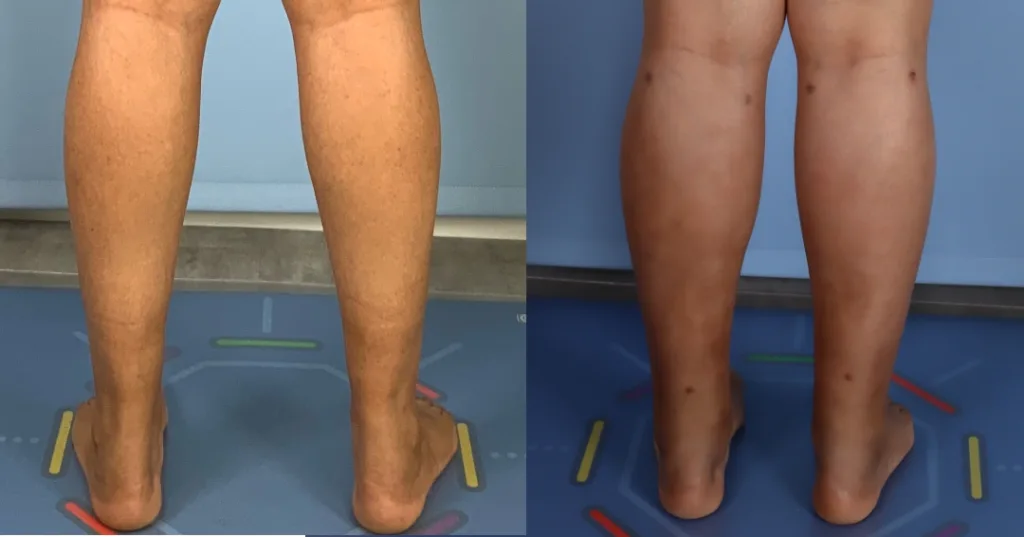
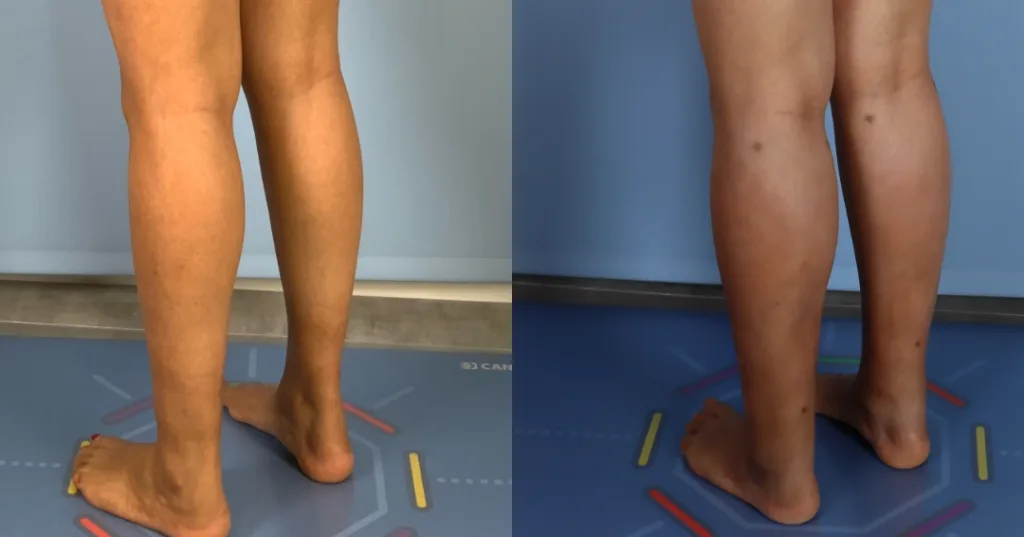
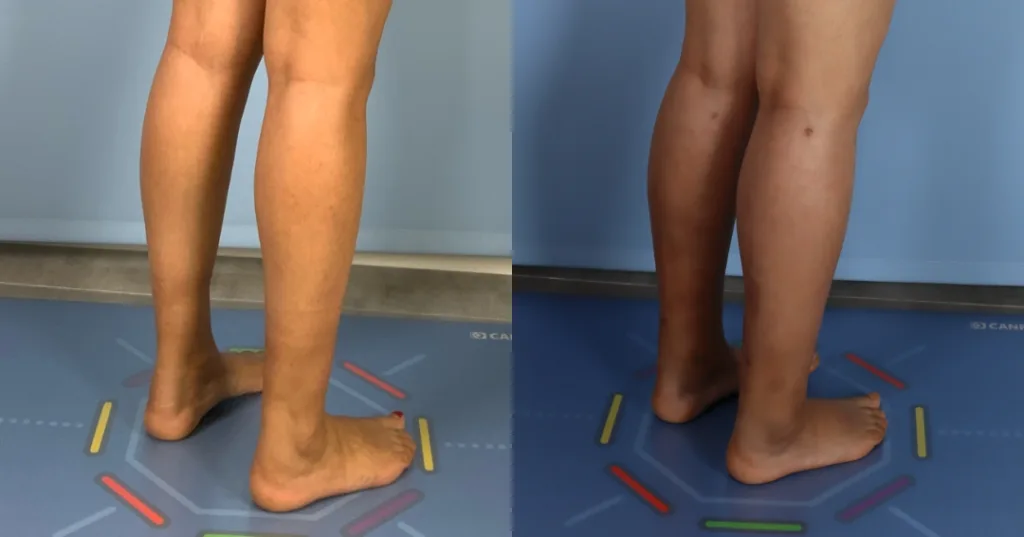
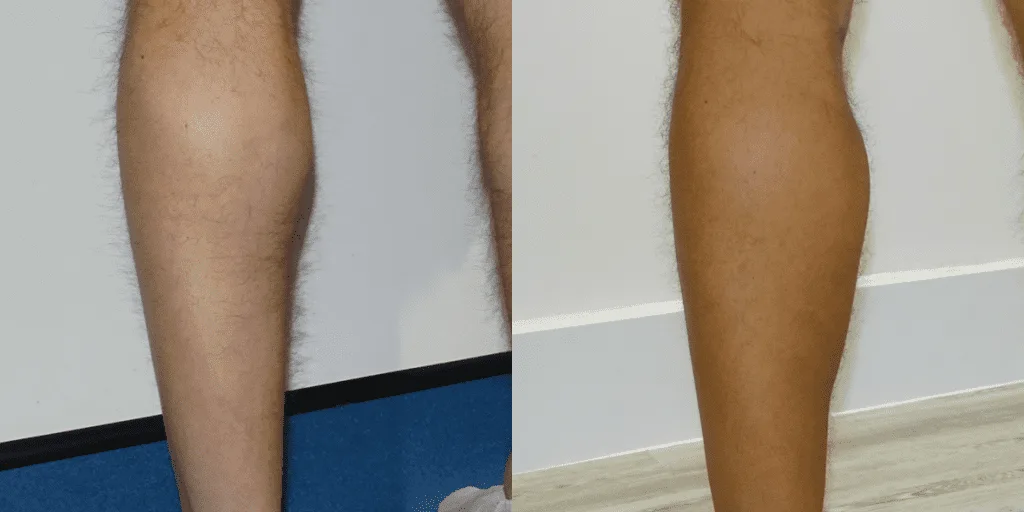
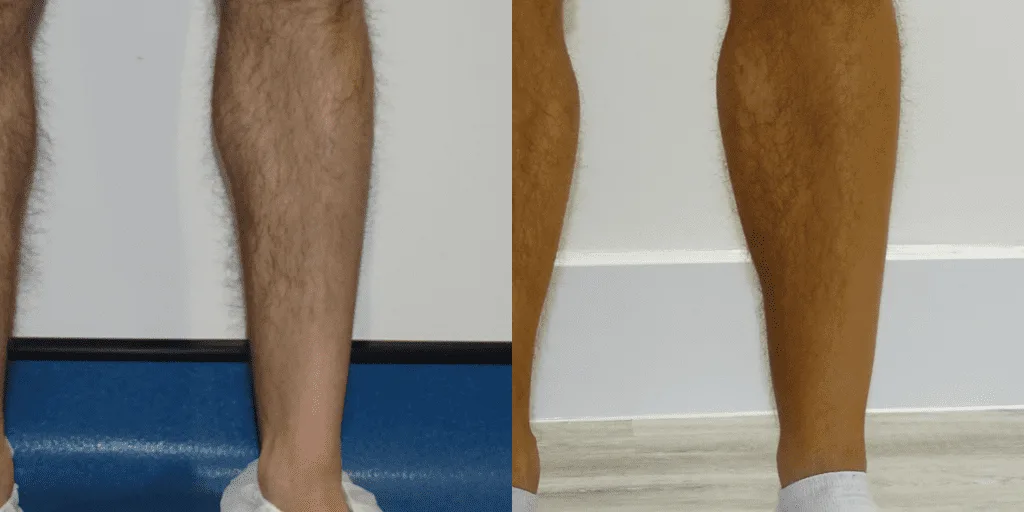
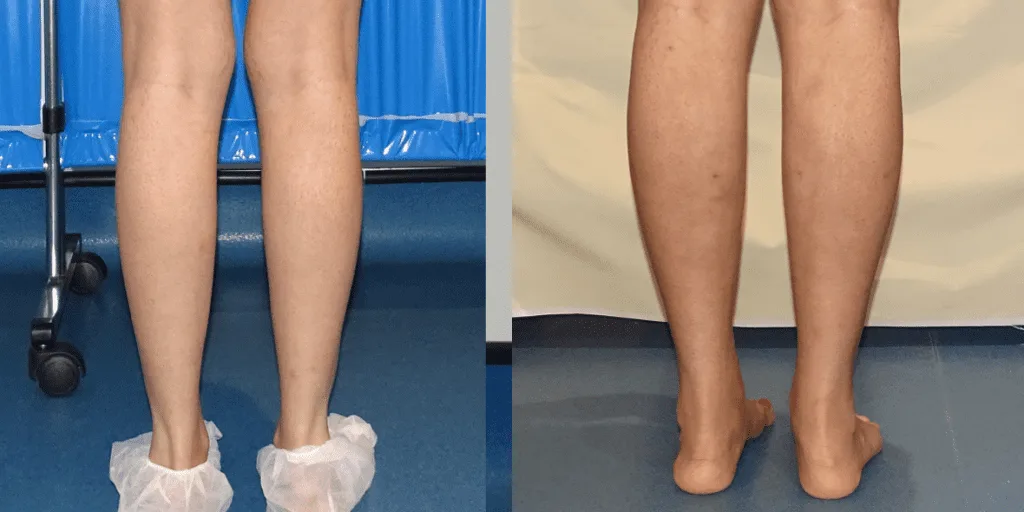
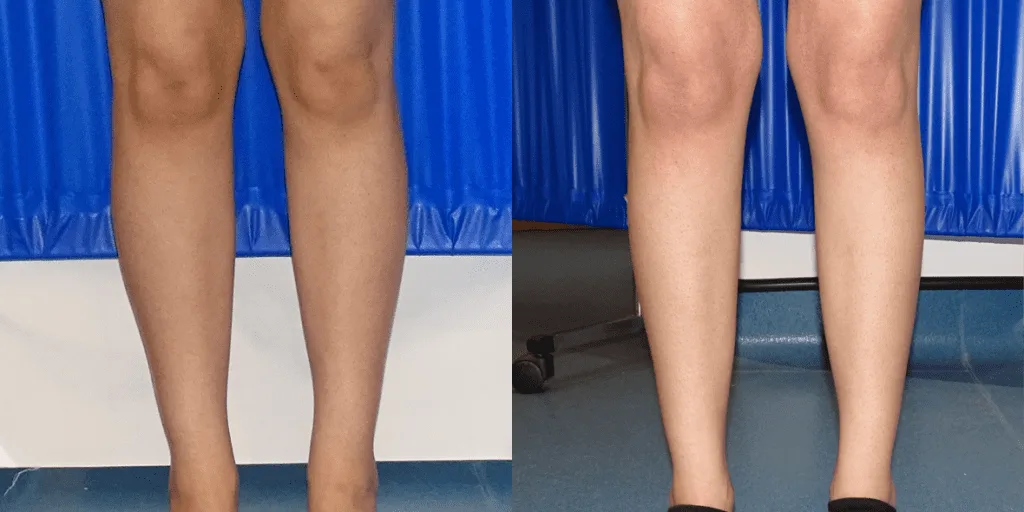
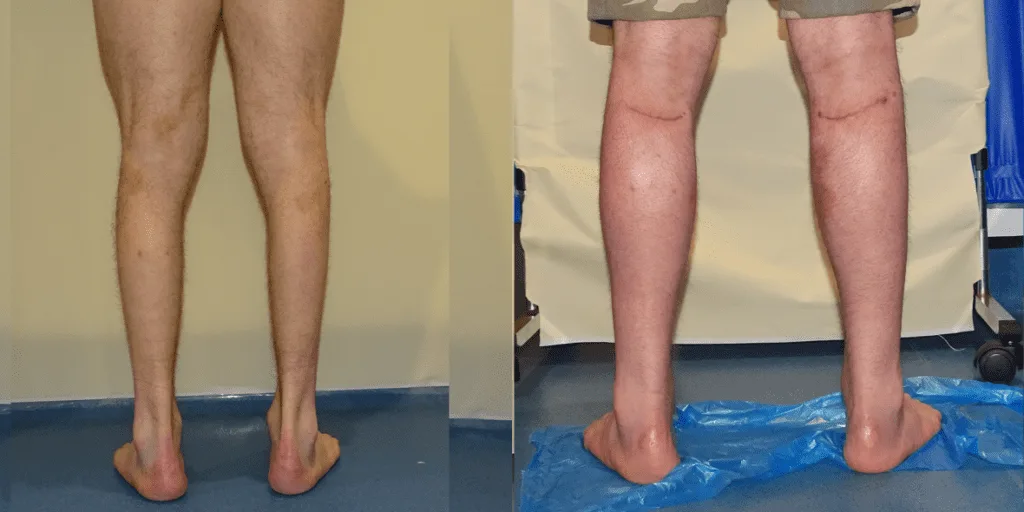
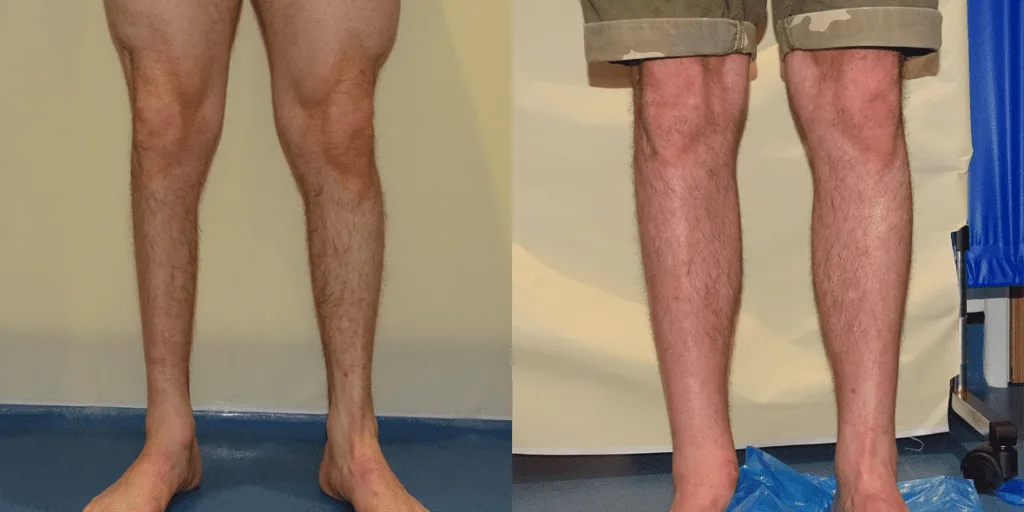
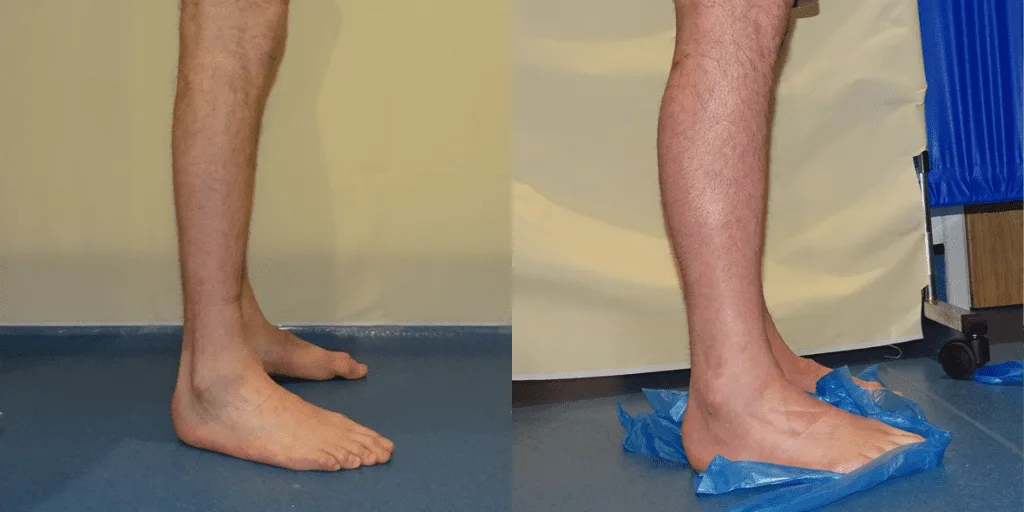
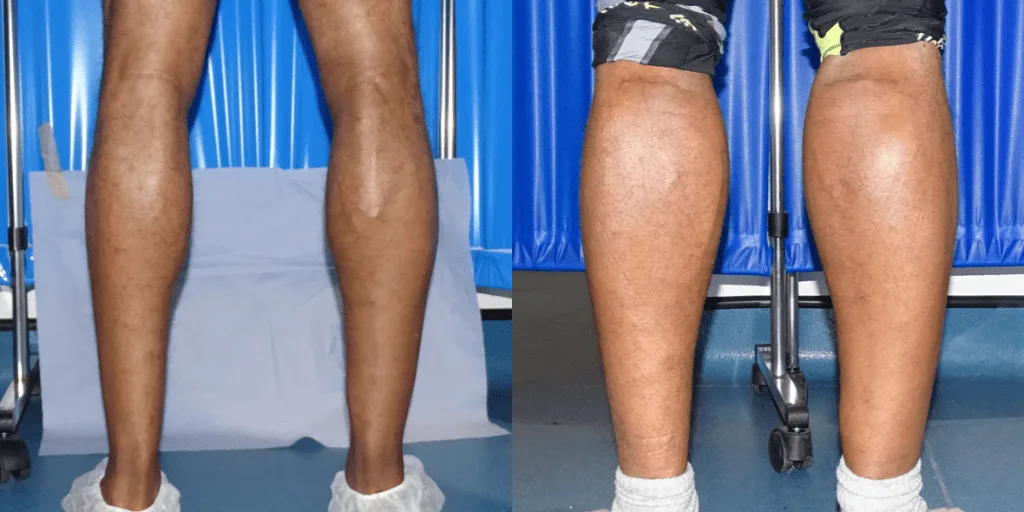
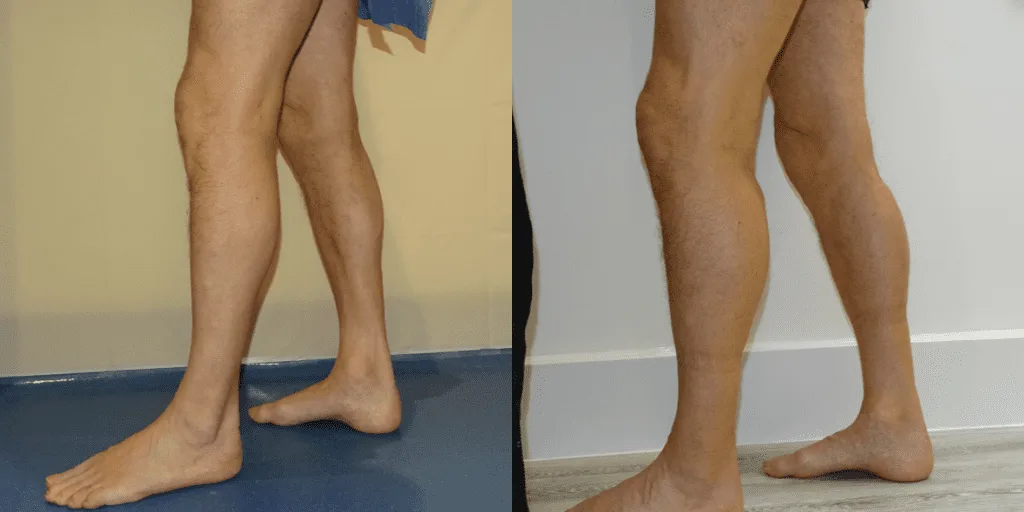
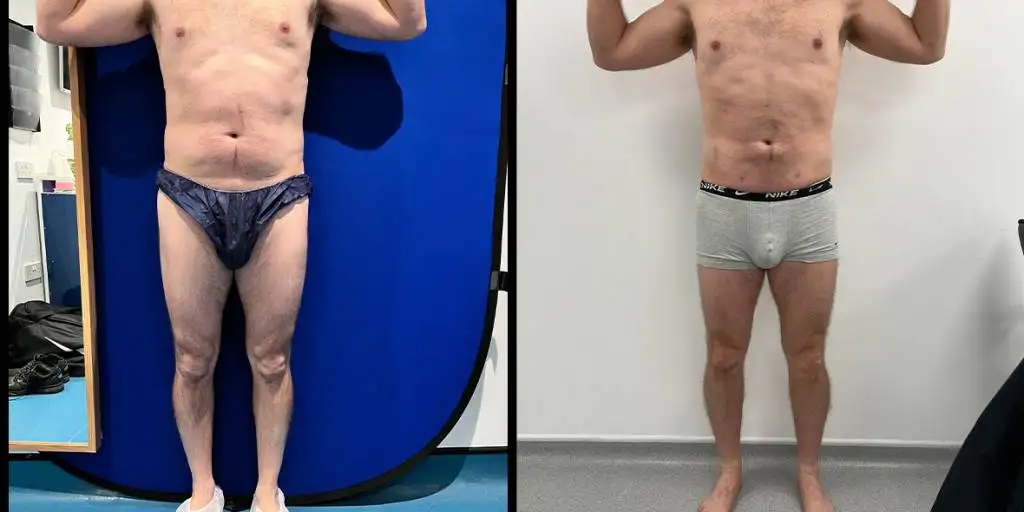
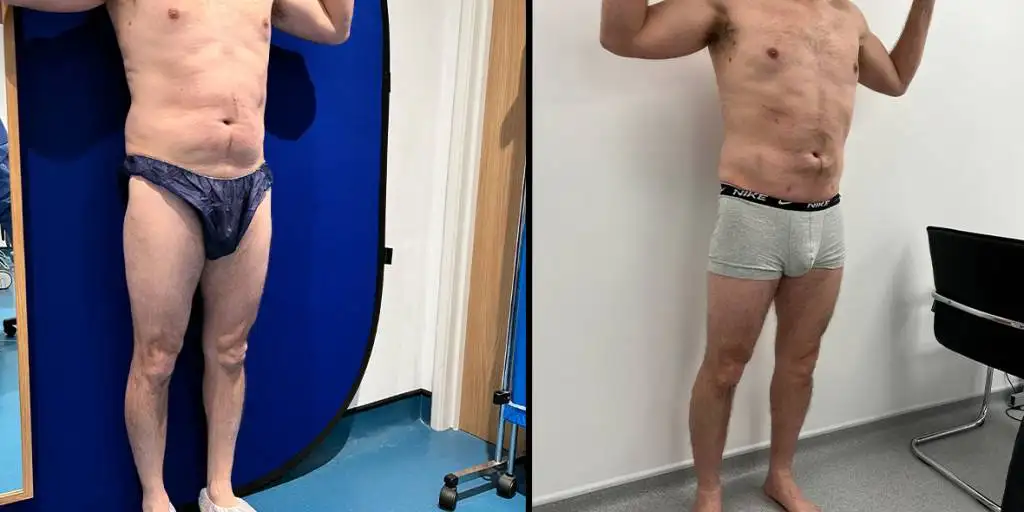
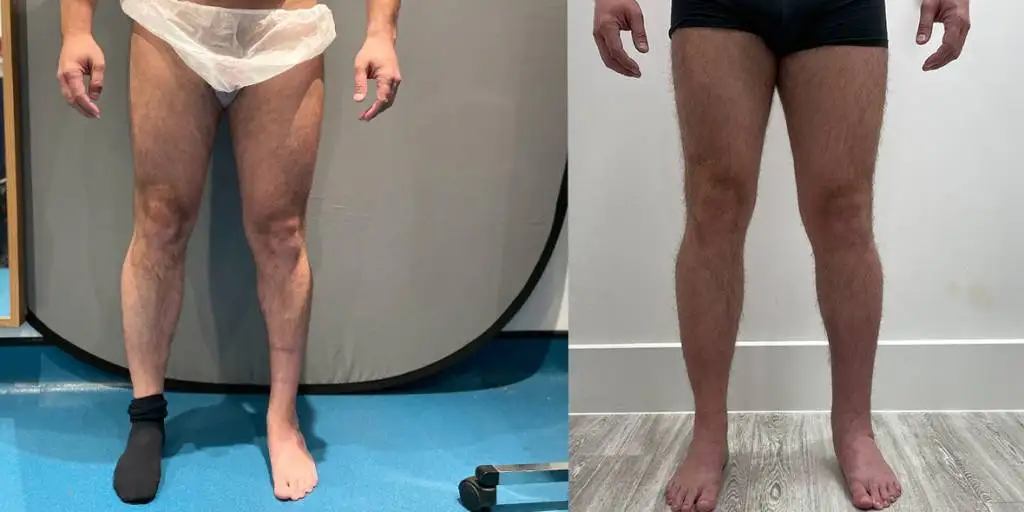
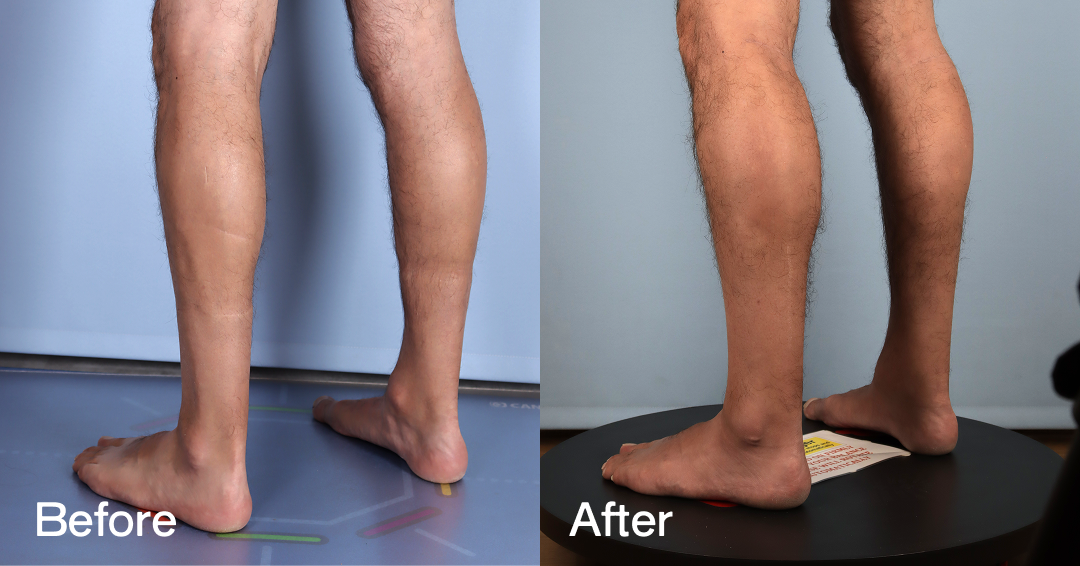
Before and After Results
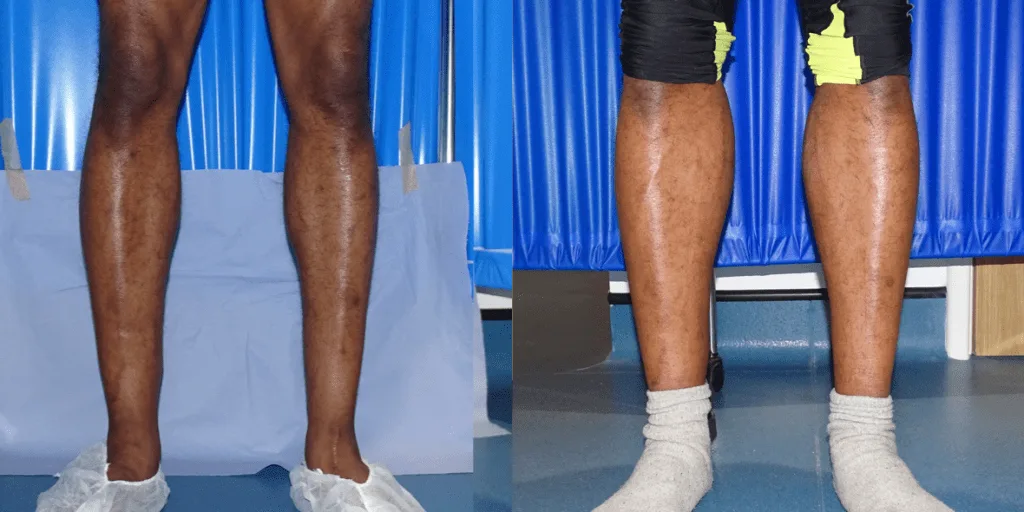
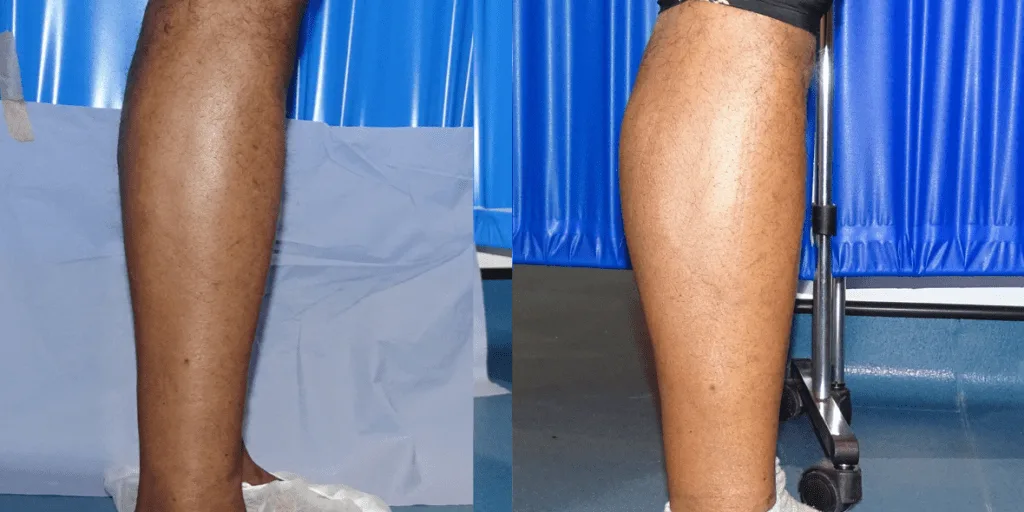
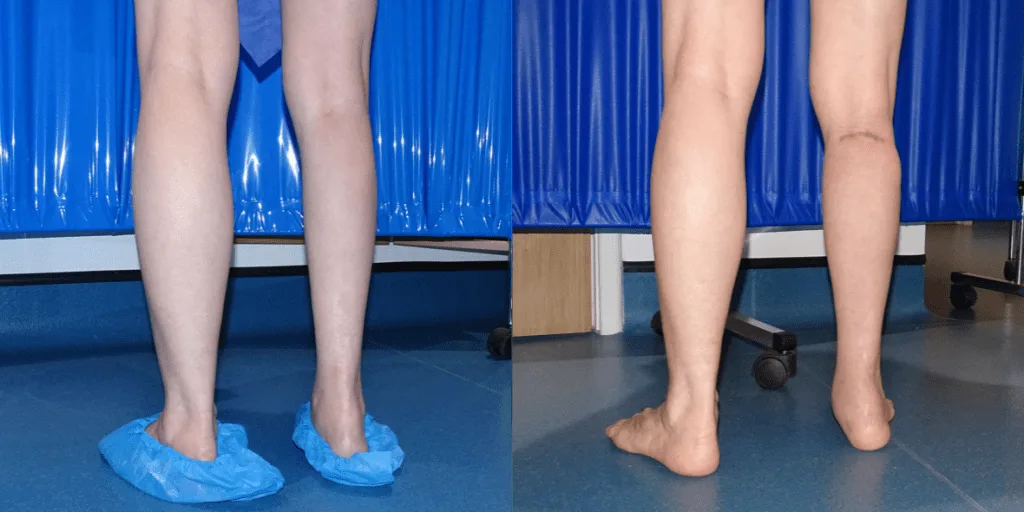
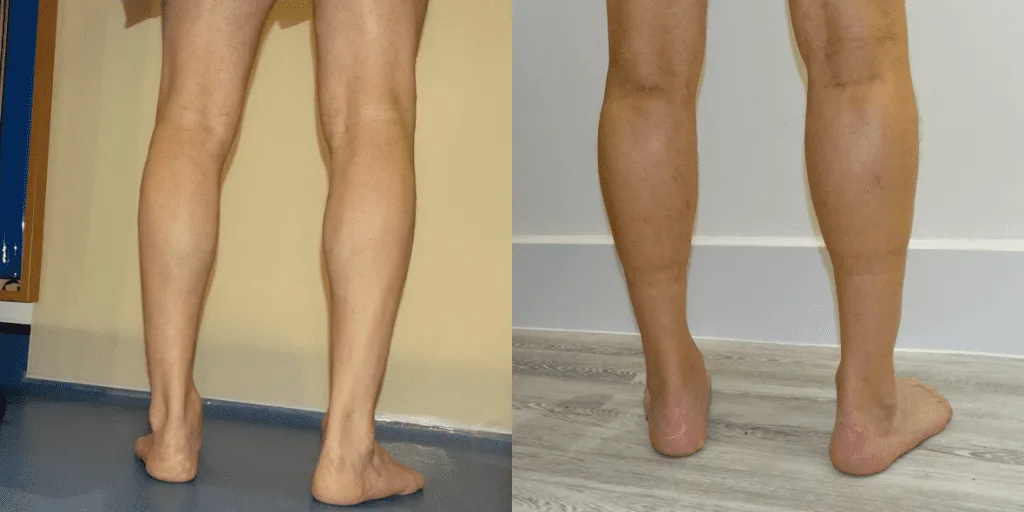
The images below represent outcomes from real CREO Clinic patients who have undergone calf augmentation. Results vary depending on individual anatomy, the type of implant used, and its placement.
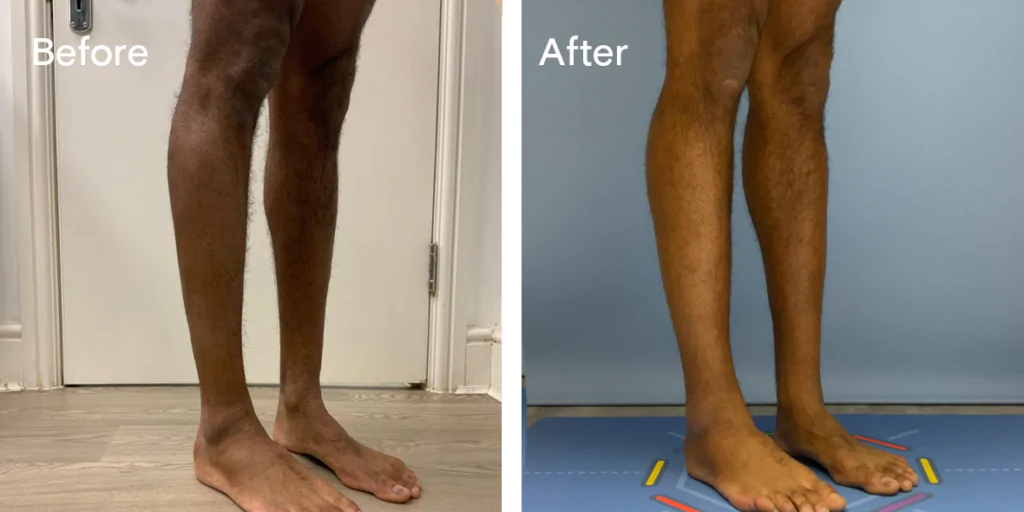
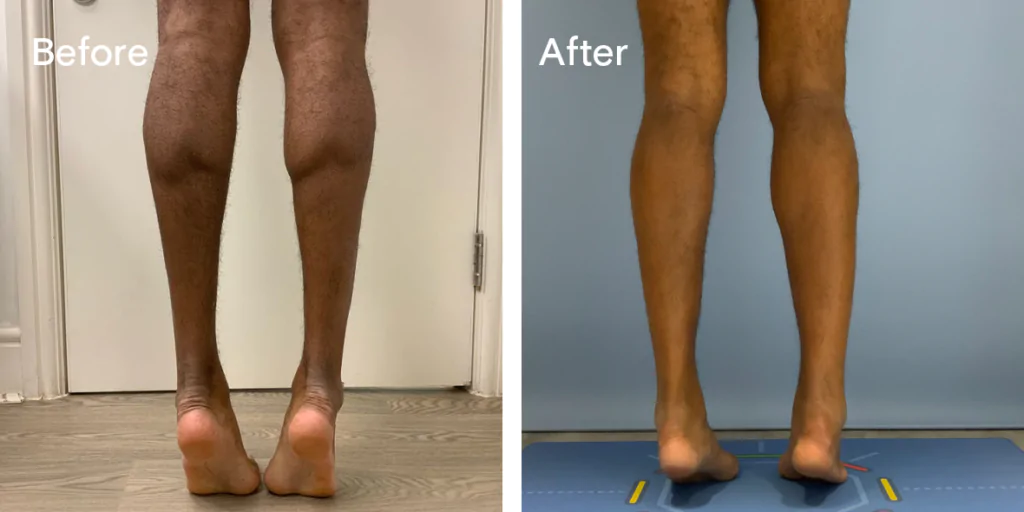
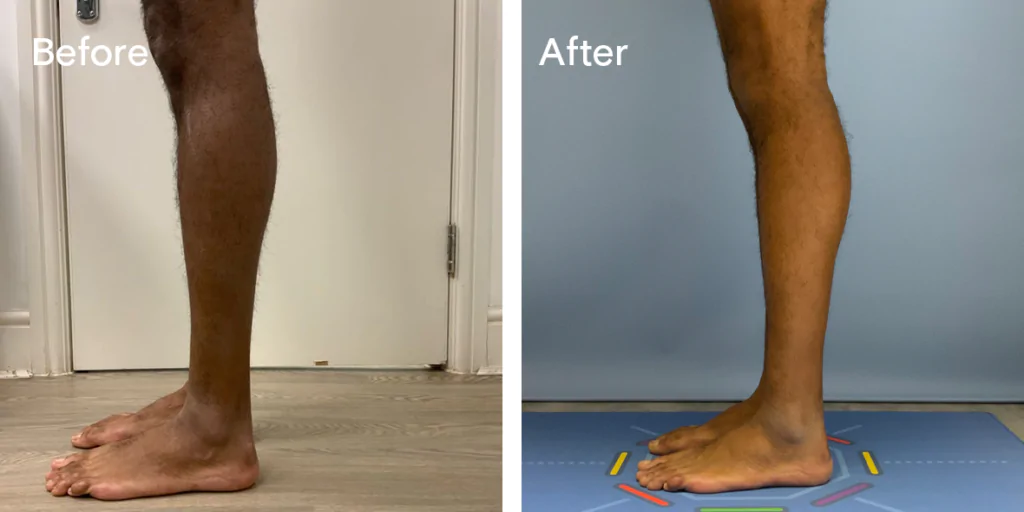
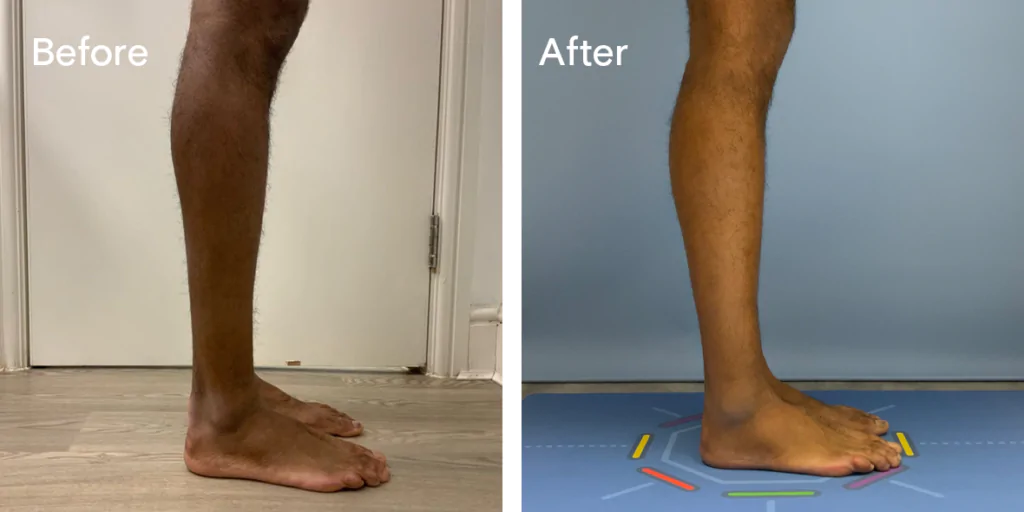
Benefits of Calf Implant Surgery
The following outlines the potential benefits for appropriate calf augmentation candidates. Individual outcomes depend on anatomy, implant type and placement, and individual healing.
- Improved lower leg proportion: Calf augmentation may help improve the proportions of the lower leg relative to the overall body frame, with changes to the lower leg able to improve symmetry throughout the physique
- Underdeveloped calf correction: In cases where one calf is less developed than the other, augmentation may improve matching between the calves
- Addressing trauma-related changes: Damage to the calves due to injury may be addressed with targeted augmentation
- Addressing weight loss changes: Muscle wastage or changes to contour due to weight loss may be improved
- Improved clothing fit: Fuller and more balanced calves may allow clothes to fit more comfortably
- Improved confidence: For some patients, imbalances in the calves can cause self-consciousness; augmentation may help reduce this
The CREO APEX Recovery System
What to Expect: Before, During and After Surgery
Understanding the surgical journey is an important part of the decision-making process. The stages below outline what to expect from pre-surgical preparation through to final results.
Preparing for Surgery
Stop nicotine consumption: Abstain from smoking, vaping, and all nicotine consumption for a minimum of four weeks before surgery, as nicotine significantly impairs wound healing, increases infection risk, and may affect the integration of an implant
Maintain a stable weight: Where possible, maintain a stable weight in the weeks before surgery, as changes in lower body composition can affect surgical planning and impact outcomes
Review your medications: Inform Dr Tillo of all medications and supplements you are currently taking, including any blood thinners, anti-inflammatories, and supplements such as fish oil or vitamin E. Some may need to be paused before surgery, but do not stop any prescribed medication without consulting your GP
Arrange transport and support: Calf augmentation is a day case, but you will not be able to drive yourself home. A responsible adult must collect you and remain with you for the first 24 hours at least. Your walking ability will be limited in the initial days of recovery, so your home environment should be made accessible
Prepare your home for recovery: Arrange sleeping areas that allow you to elevate your legs and minimise stair use where possible in the early days. Arrange any work, childcare, or other responsibilities for the first one to two weeks of recovery
The Day of Surgery
Once implants have been inserted or purified fat has been transferred to the calf area, you will be taken to a specialised recovery room to allow the effects of the anaesthetic to wear off.
For most patients, calf augmentation is a day case, which means you can expect to be discharged within a few hours of your surgery. You will be monitored by the clinical team during the immediate recovery period and discharged once Dr Tillo has confirmed it is safe to do so.
Early Recovery and Mobility
Walking is possible from the day after surgery, but will be uncomfortable and limited in the early stages. Patients are advised to walk with a flat-footed gait initially, avoiding heel raising, and to elevate the legs whenever resting. Prolonged standing and extended walking should be avoided in the first two weeks of recovery.
For implant augmentation (not for fat transfer), compression stockings must be worn continuously for at least the first six weeks following surgery to support healing, reduce swelling, and help the tissue conform around the implant. The incisions, located in the natural crease behind the knee, should be kept dry and clean and will be checked at a follow-up appointment seven to ten days after surgery.
Manual lymphatic drainage massage (MLD) and laser scar management treatments are included as part of the APEX aftercare programme and are commenced as soon as clinically appropriate. MLD is only used with fat transfer augmentation patients, as it can be beneficial to healing. It is not used after implant augmentations. All timelines vary according to individual healing, surgery complexity, and the type of implant placement used.
Returning to Exercise
Calf-specific activity, including calf raises, running, and jumping, should not be attempted before six to eight weeks following implants or four to six weeks following fat transfer, and only once specifically cleared by Dr Tillo. Full lower body training is generally appropriate from around eight weeks for implant patients and six weeks for fat transfer patients.
Compression stockings must be worn continuously for a minimum of six weeks following implant surgery, but compression socks will not be used in fat transfer surgeries, as this can disturb the fat cells as they settle. All timelines are approximate and vary between individuals; Dr Tillo will provide phased return-to-activity guidance throughout recovery based on individual healing progress.
All timelines are approximate and vary between individuals. Dr Tillo will provide phased return-to-activity guidance throughout recovery based on individual healing progress.
When Final Results Become Visible
For fat transfer augmentation, most patients will see the ‘fluffing’ stage begin after approximately three months of recovery. This is the point when residual swelling tends to settle, and the skin and soft tissues are able to relax; some fat is reabsorbed during this period (between 30-50%, approximately), but CREO surgeons compensate for this by adding additional fat during the transfer. The fluffing stage can last between six and eight weeks, depending on the individual. After this, the final results should be visible.
Risks, Limitations and Surgical Considerations
As with any surgical procedure involving implants, calf augmentation carries certain risks. All risks and risk management strategies will be discussed in detail during your consultation with Dr Tillo, and surgery will only be recommended where the clinical case supports it.
Another key consideration is that in Dr Tillo’s experience, an estimated 20% of patients have their implants adjusted, replaced, or removed in the first 5 years post-operatively, with the figure rising to 30% over 10 years.
Some potential risks and considerations include:
- Scarring at the incision site behind the knee
- Prolonged swelling, particularly in the lower leg and ankle region
- Implant displacement or rotation
- Implant palpability or visibility beneath the skin
- Asymmetry
- Infection
- Haematoma or seroma
- Wound breakdown or delayed wound healing
- Fat necrosis (fat transfer only)
- Poorly received fat graft (fat transfer only)
- Fat embolism (fat transfer only)
- Changes to sensation or temporary numbness around the incision site
- Capsular contracture (hardening of tissue around the implant)
- Deep vein thrombosis (DVT) or venous thromboembolism (VTE)
- Adverse reaction to anaesthesia
- Need for revision or implant replacement surgery in future
Calf Implant Cost in London
Calf implant cost at the CREO Clinic starts from £8,500 for both calves with one implant per leg. Standard calf implants with two implants per leg start from £12,900. Custom silicone implants start from £14,900 for one leg and from £16,900 for both legs. Fat transfer calf augmentation starts from £8,500, with costs varying according to the size and number of liposuction areas treated. Final pricing depends on clinical assessment, implant type, surgical complexity, and the confirmed treatment plan.
What Your Surgical Fee Includes
All surgical fees include:
- Surgeon, anaesthetist, and nursing fees
- Use of CQC-registered surgical facilities
- The implants themselves, whether standard or custom
- Pre-operative assessments and blood tests
- Post-operative monitoring and follow-up consultations
- Manual lymphatic drainage massage and laser scar management treatments, where applicable, as part of the APEX aftercare programme
- The CREO recovery kit, containing immune-supportive vitamins, Hibiscrub, absorbent pads, and Bio-Oil to support wound healing and scar development
Custom implant fees include the cost of CAD design and fabrication in addition to the surgical fee. There are no additional charges for standard aftercare, and a personalised, all-inclusive quote is provided following consultation with Dr Tillo, once the surgical plan has been confirmed.
Standard vs Custom Implant Pricing
| Implant type | Starting price | What affects the cost |
| Standard bilateral (1 implant per leg) | From £8,500 | Anatomy, surgical complexity, procedure duration |
| Standard bilateral (2 implants per leg) | From £12,900 | Additional implant; longer surgical time |
| Custom implant for one leg | From £14,900 | 3D imaging, CAD design, and bespoke fabrication costs included |
| Custom implant for both legs | From £16,900 | 3D imaging, CAD design, and bespoke fabrication costs included |
| Fat transfer | From £8,500 | Number and size of liposuction donor areas |
| Standard unilateral calf implant surgery (one leg only, one implant) | From £7,200 | Anatomy, surgical complexity, and whether standard or custom implant planning is required |
| Standard unilateral calf implant surgery (one leg only, two implants) | From £8,500 | Anatomy, surgical complexity, and whether standard or custom implant planning is required |
Standard implants are available in pre-set sizes and shapes, whereas custom implants require additional 3D imaging, CAD design, and manufacturing, which is reflected in the cost difference.
Finance and Payment Options
Where appropriate, financing options may be available through CREO Clinic’s external finance partner, Chrysalis Finance, including interest-free loans over a 12-month period, with longer-term plans available at increased rates of interest. Any financing arrangements are discussed separately following consultation and are subject to approval and eligibility criteria.
Why Choose CREO Clinic
At the CREO Clinic, surgical planning and specialist care are structured around clinical consultations, with treatment recommendations made according to individual anatomy and patient goals. All surgical decision-making is led by the operating surgeon.
Specialist Lower Limb Expertise
Any patient undergoing calf augmentation at the CREO Clinic will be treated by Dr Omar Tillo, who has extensive experience in calf augmentation via calf implants and fat transfer. Dr Tillo specialises in body contouring surgery from the neck down and has an in-depth knowledge of the clinical considerations for lower limb surgery; his experience, gathered over many years of performing calf augmentations, supports careful planning, risk assessment, and long-term outcome planning for calf augmentation patients.
Surgeon-Led Planning
All decision-making and treatment planning at the CREO Clinic is surgeon-led, meaning treatment journeys are planned only after a thorough one-to-one consultation with Dr Tillo. The initial consultation gives patients an opportunity to discuss their physical concerns and detail their treatment goals, so recommendations can be made in accordance with individual needs.
Bespoke Implant Design
Access to AnatomikModeling’s 3D bespoke implants provides Dr Tillo with the means to help create patient-specific contour and volume adjustments in the calves. Custom implants are particularly valuable for asymmetry correction and complex reconstruction of damaged or underdeveloped calves.
Integrated Recovery and Aftercare
The CREO Clinic’s APEX aftercare system provides structured support throughout recovery. Following standard post-operative monitoring, supplementary aftercare treatments such as manual lymphatic drainage massage and laser scar management are provided where clinically appropriate. Planning for recovery support begins before surgery with immune-supportive vitamins and clinical advice around preoperative preparations.