






What is Areola Reduction Surgery?
All areola reductions at the CREO Clinic are performed by Dr Omar Tillo, our Medical Director and breast surgery specialist. Suitability for surgery is determined through a one-to-one clinical consultation, where anatomical findings and patient goals are assessed before a recommendation is made.
Surgery at a Glance
Treatments
1Results
ImmediateAnesthesia
Local AnaestheticSurgery Time
1 HourHospital Time
6 HoursMobility
ImmediateWashing
2 DaysOff-Work
1-2 DaysExercise
2 WeeksFull Recovery
2 WeeksWhy This Procedure Matters
The areolas play a key role in breast proportions and can influence overall balance and symmetry. The areola reduction plan accounts for nipple position, areola size, and your natural skin quality, with treatment decisions guided by a clinical assessment rather than a fixed approach.
Post-Pregnancy Or Breastfeeding Changes
Post-pregnancy and breastfeeding can stretch breast skin and significantly alter the shape of the nipples and areola. The surgery may help restore a more proportionate areola size after breastfeeding is complete, depending on individual tissue changes.
Genetic Developmental Enlargement
As with other physical traits, there is a significant genetic influence on areola size. When the breasts develop during puberty, the areolas can become enlarged in a way that may be a concern for some patients, and may be assessed for areola reduction surgery following consultation.
Asymmetry Between Areolas
When the areolas are developing, they don’t always develop equally. Sometimes, one areola can become larger than the other, creating a significant asymmetry that may be addressed with areola reduction surgery, depending on clinical suitability.
What Is Areola Reduction Surgery?
The goal of areola surgery is to reduce the diameter of the circle of skin around the nipple. The surgery removes a predetermined amount of areola skin, creating the desired size and symmetry.
The Anatomy Of The Nipple–Areola Complex
The nipple–areola complex (NAC) is often colloquially referred to as the nipple. However, the NAC is more complex beneath the skin; subareolar structures produce breast milk, and on the surface, the nipple facilitates breastfeeding.
Around the nipple is the elastic, pigmented circle of skin called the areola. This area is the focus of the surgery; having symmetrical, proportionate areolas significantly contributes to a more natural-looking contour and greater breast definition.
Why Areolas Can Enlarge Over Time
Multiple factors can contribute to changes in the shape, size, or symmetry of the areolas over time. Pregnancy and breastfeeding are common causes of alterations to the areolas, as well as genetics and ageing, but outside of natural processes, fluctuations in weight can also play an important role.
How The Procedure Works
Areola reduction surgery involves a series of steps that are adapted to the patient’s anatomy and surgical plan. The outline below reflects a typical procedural approach.
Surgical Technique
To reduce the size of the areola, two circular incisions are made around the outer edges of the areola, and then the skin between the incisions is removed. The exact amount of tissue removed and the incision placement may vary depending on the patient’s anatomy and the desired outcome, as determined during consultation. A layered wound closure technique may be used to support healing and maintain the new areola shape. All ultrafine sutures are placed internally where appropriate to minimise visible stitch marks. These sutures will naturally dissolve as the incisions heal. Anaesthetic And Procedure Time
The procedure is typically performed under local anaesthetic or general anaesthetic (if requested) and lasts for approximately one hour. Timings can vary depending on your particular needs and whether the procedure is combined with another surgery.
Operating Environment
All areola reductions at the CREO Clinic are performed in a CQC-registered surgical facility. This procedure is typically a day-case surgery and may not require an overnight stay, depending on individual circumstances.
Is This Procedure Right For You
Suitability for areola reduction surgery is determined through clinical assessment, with consideration given to your anatomy, medical history, and treatment goals.
Who It’s For
You may be considered for areola reduction if:
– You have disproportionately large or asymmetrical areolas
– You are in good physical and psychological health
– You are within the suitable BMI range of 30 or less (use our BMI calculator to check)
– You have realistic expectations of the benefits and limitations of areola reduction surgery
Who It May Not Be Right For
– You have future pregnancies planned, which may affect surgical outcomes
– You are under 18
– You consume nicotine products and would not be willing to abstain for four weeks before surgery
– You are outside of the suitable BMI range, where outcomes and recovery may be less predictable
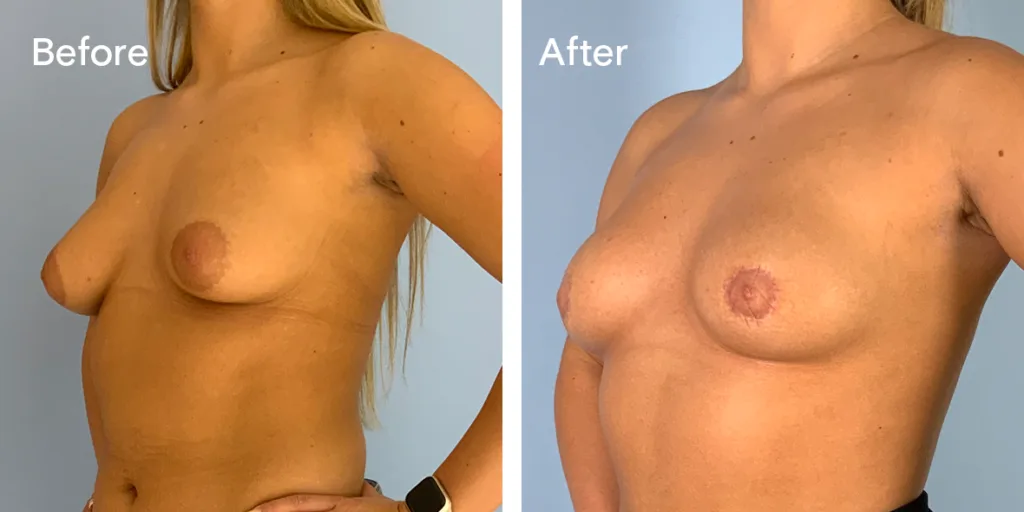
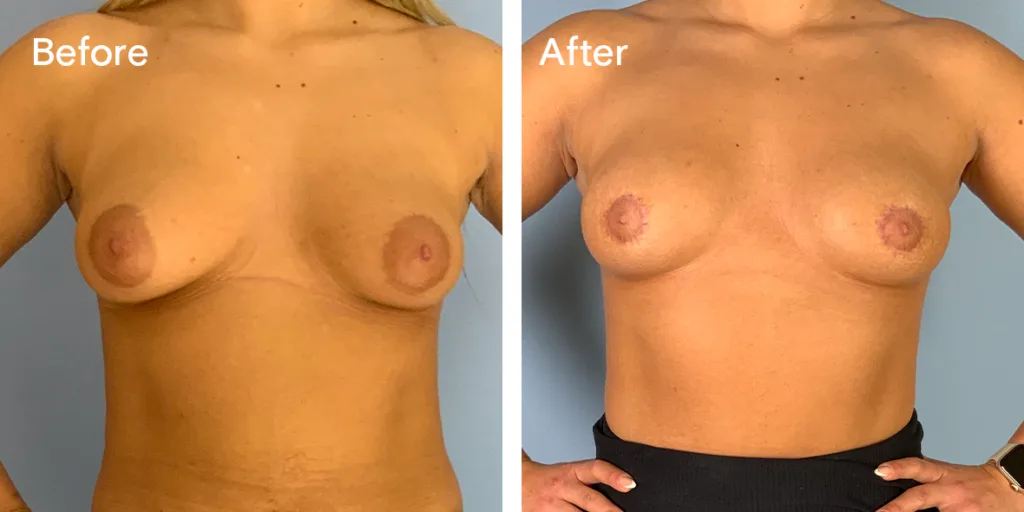
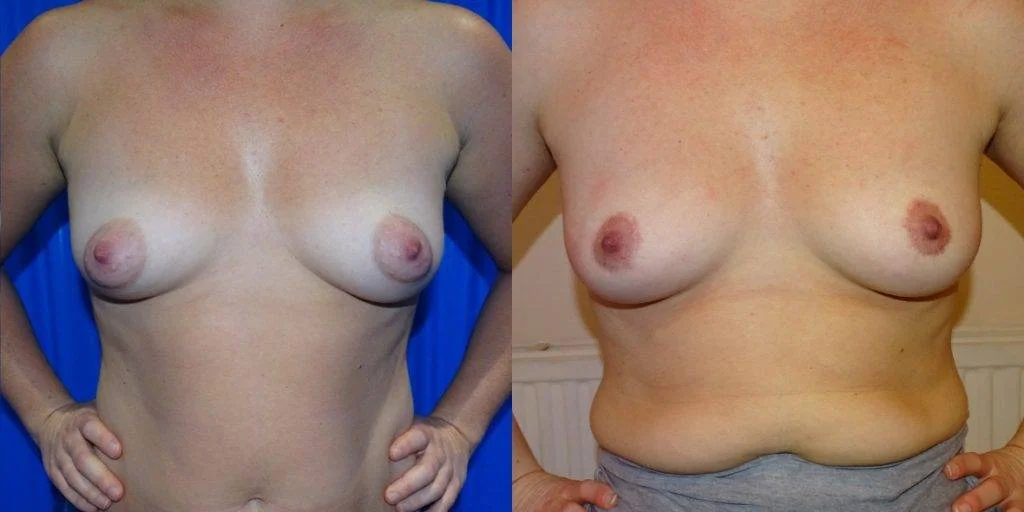
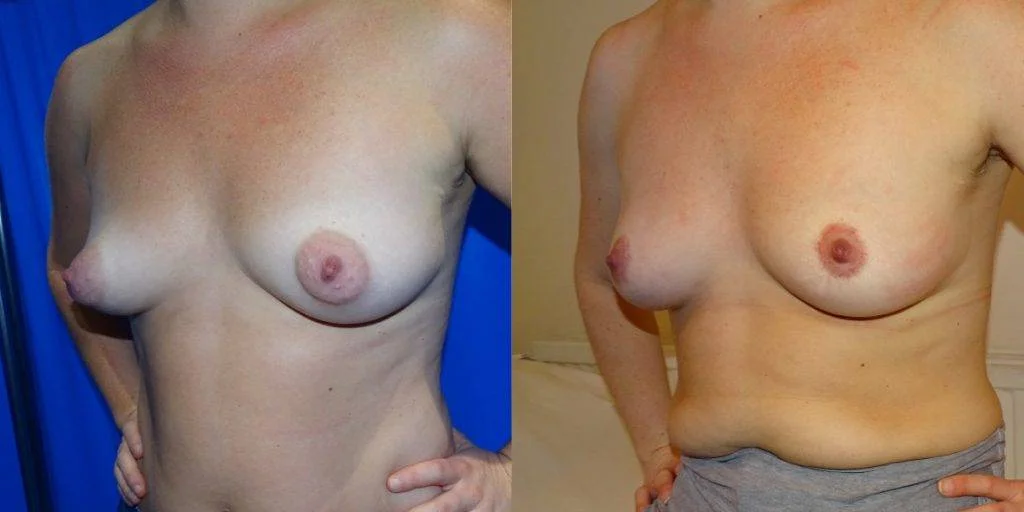
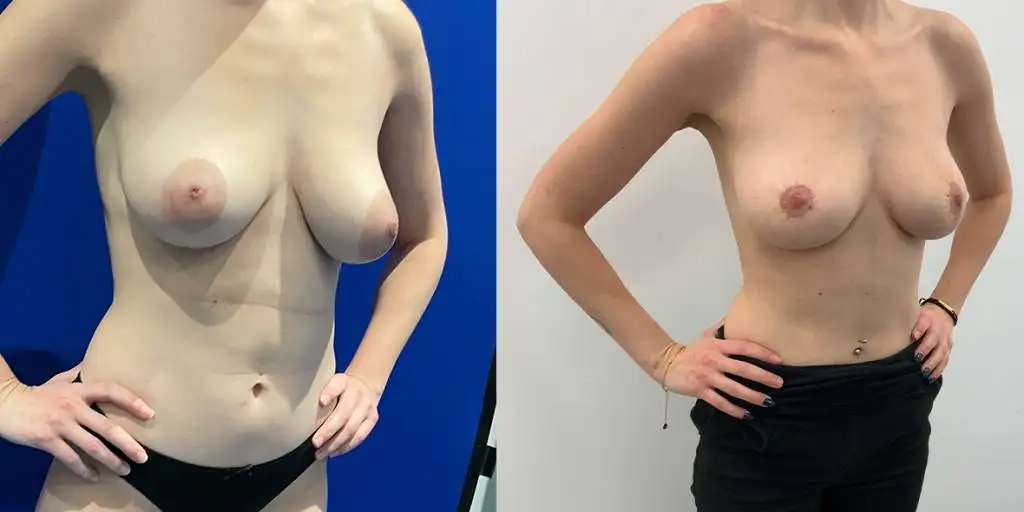
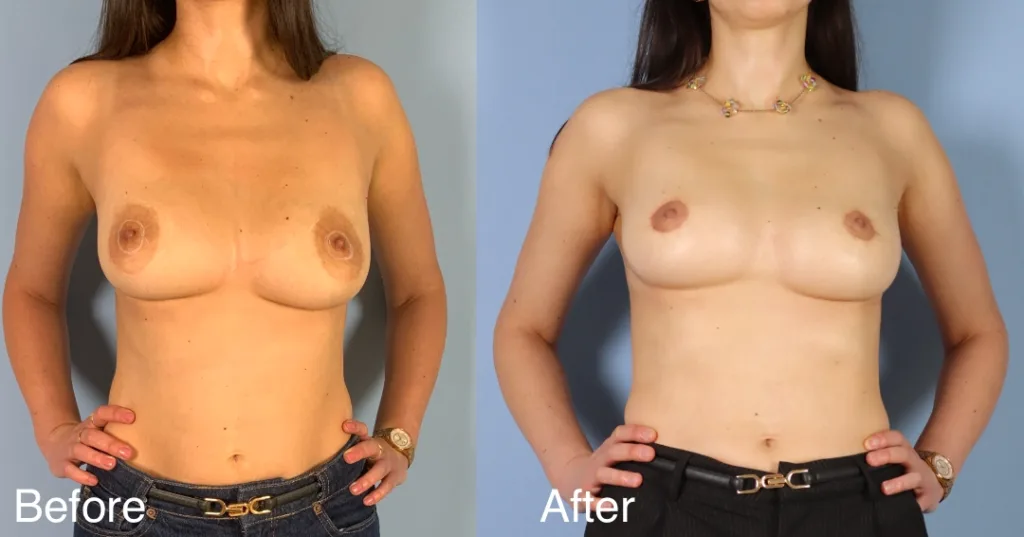
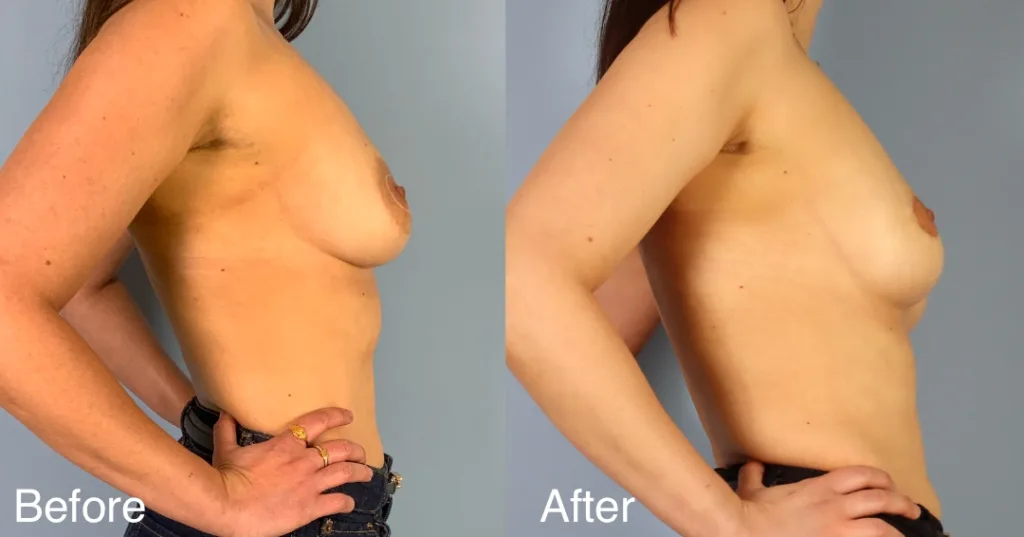
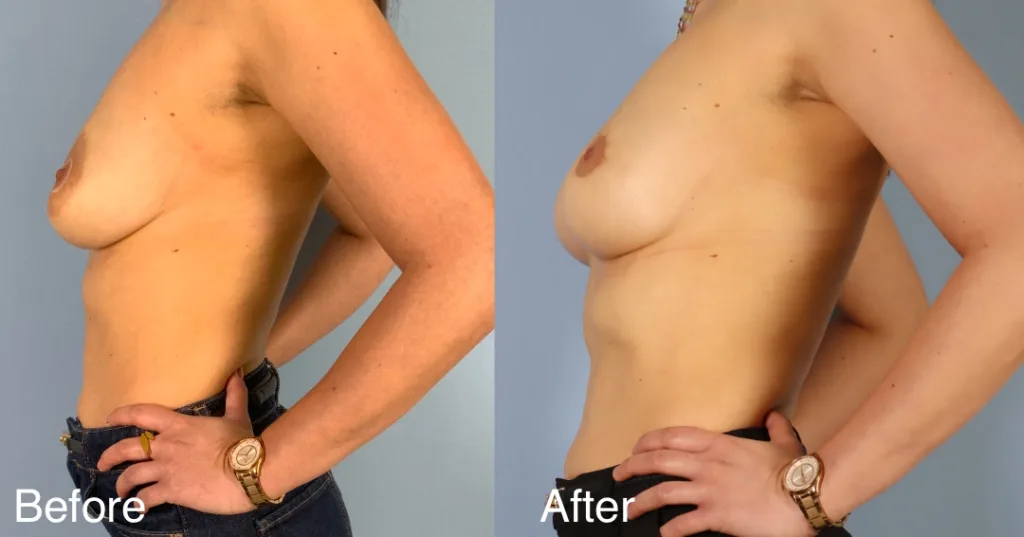
Before And After Results
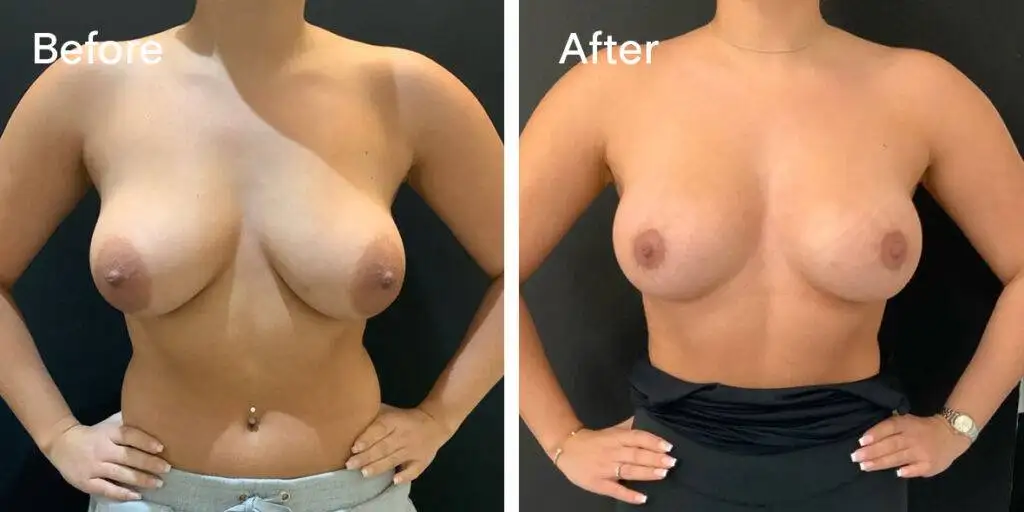
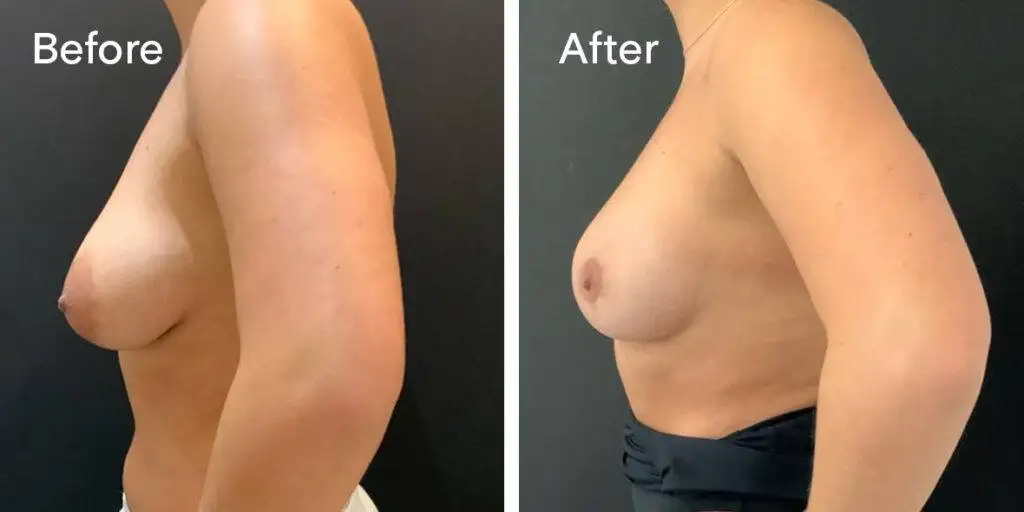
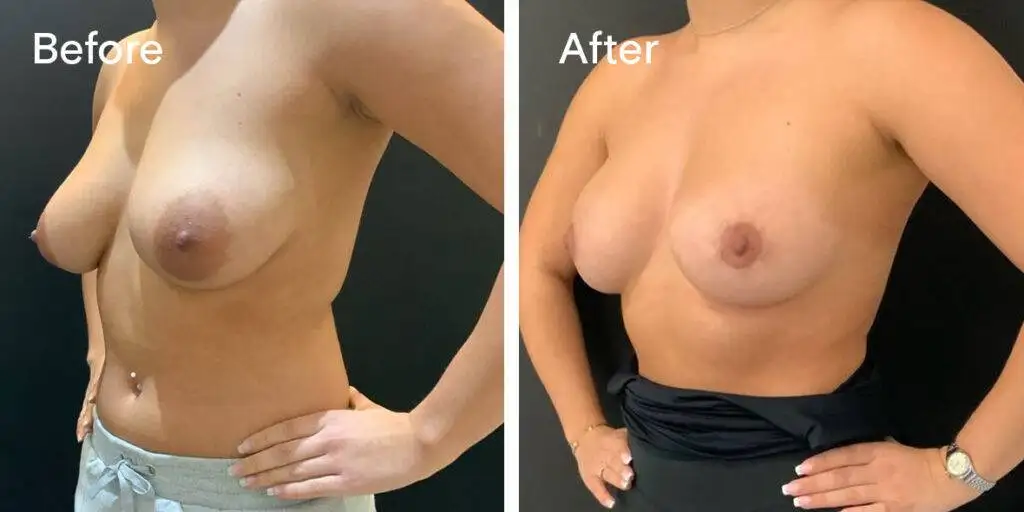
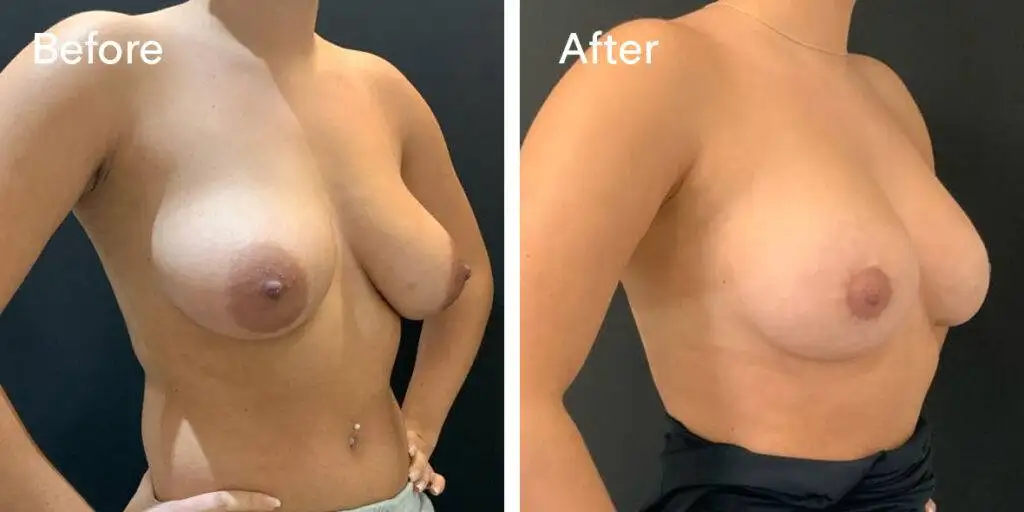
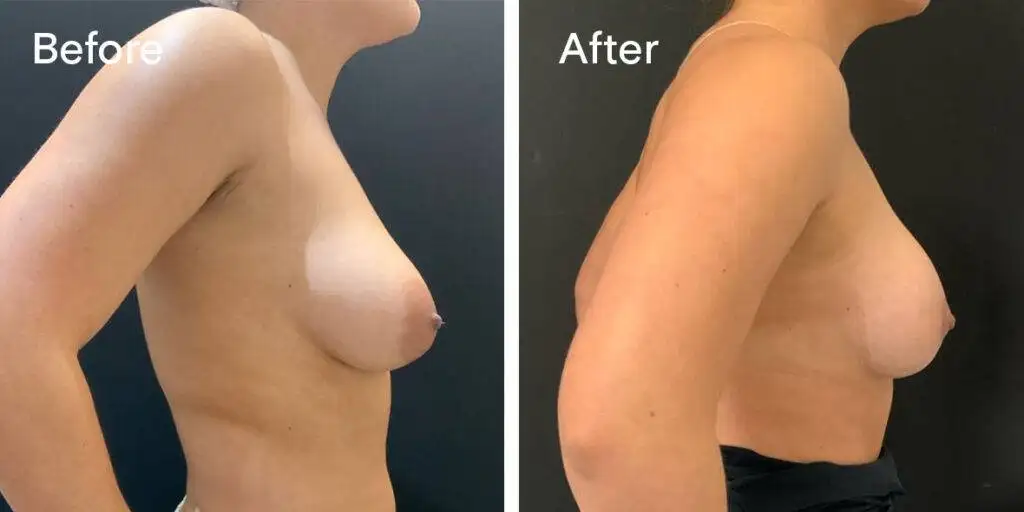
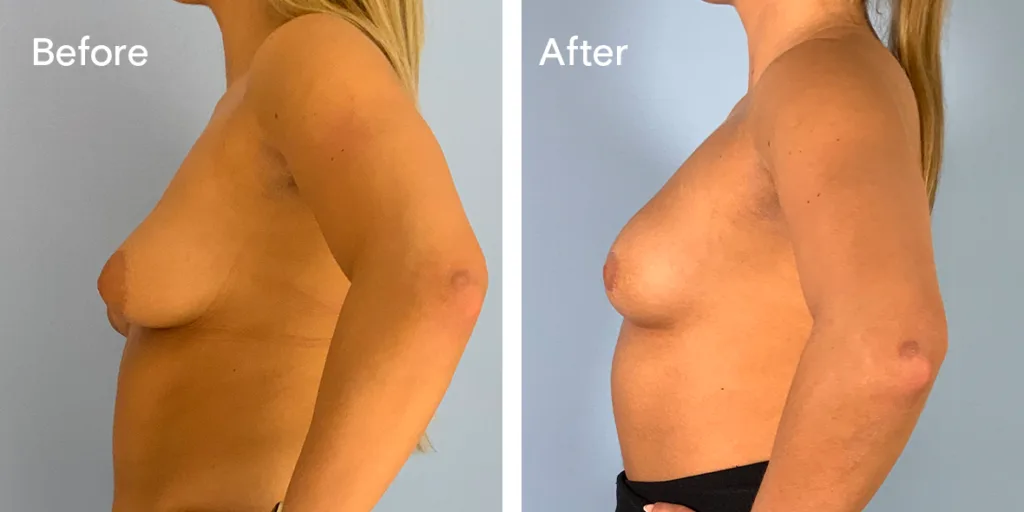
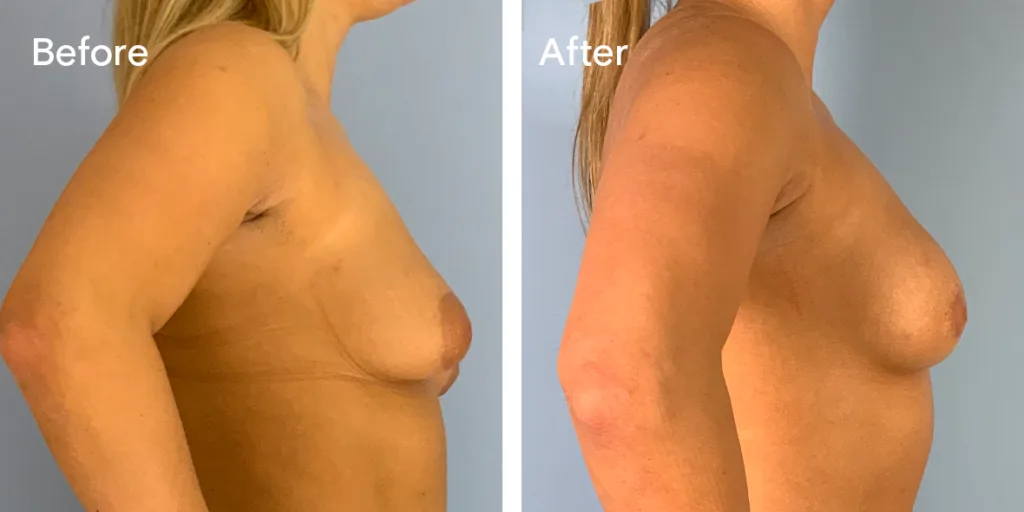
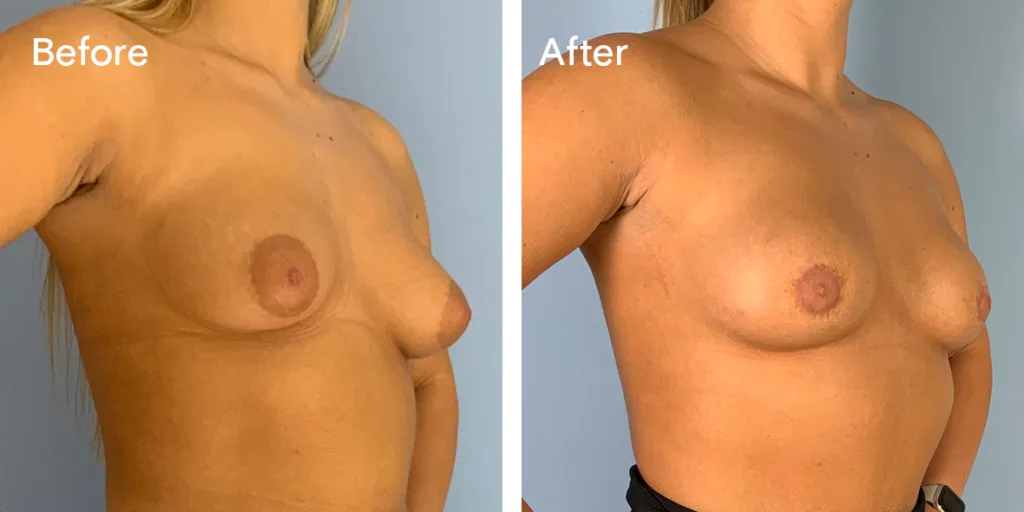
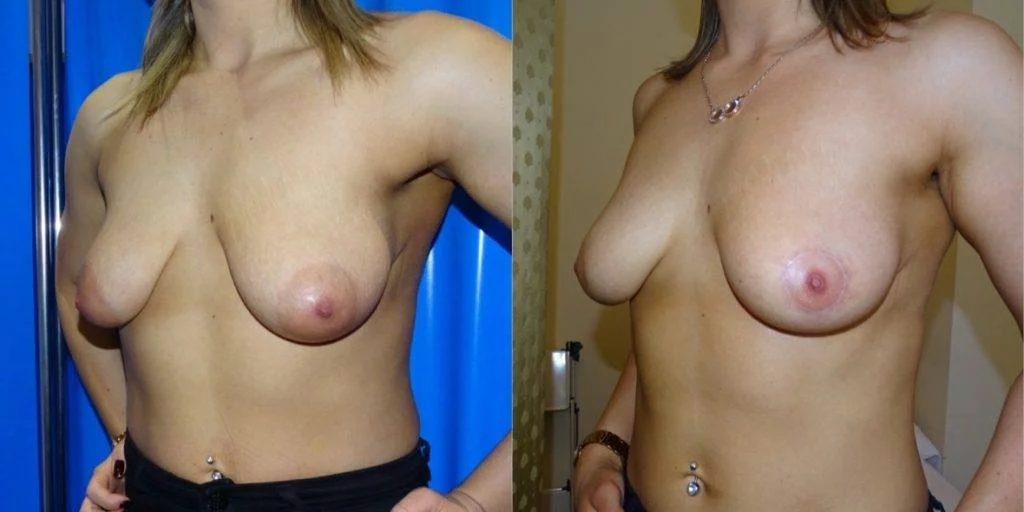
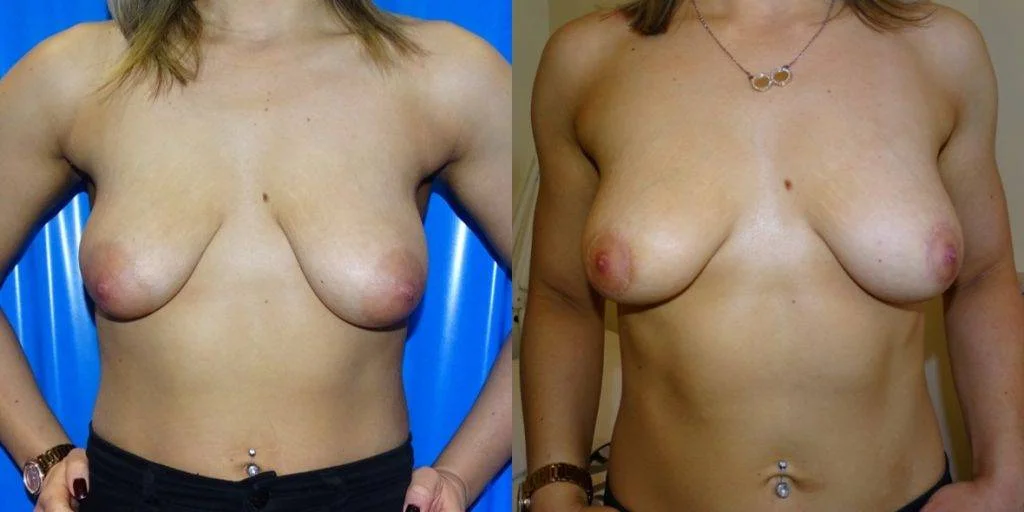
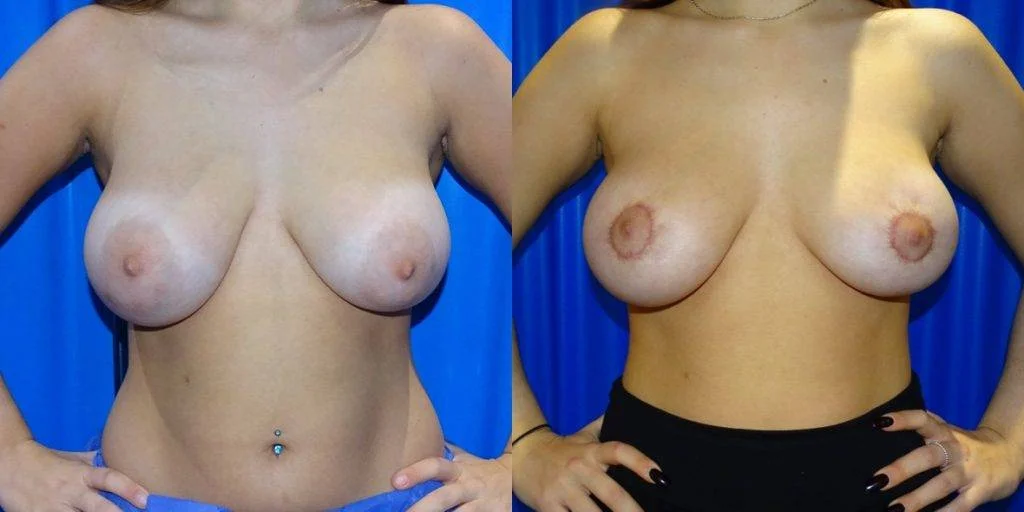
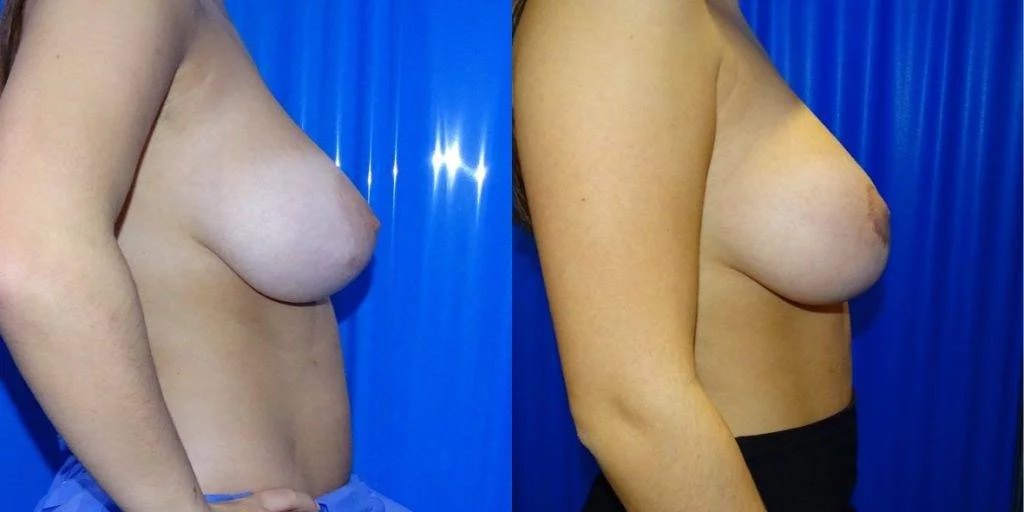
Here you can explore images of the results for multiple areola reduction patients. Individual results vary depending on the patient’s anatomy and variations in the healing process. The examples below help to illustrate the range of potential outcomes the surgery can achieve, rather than predict results.




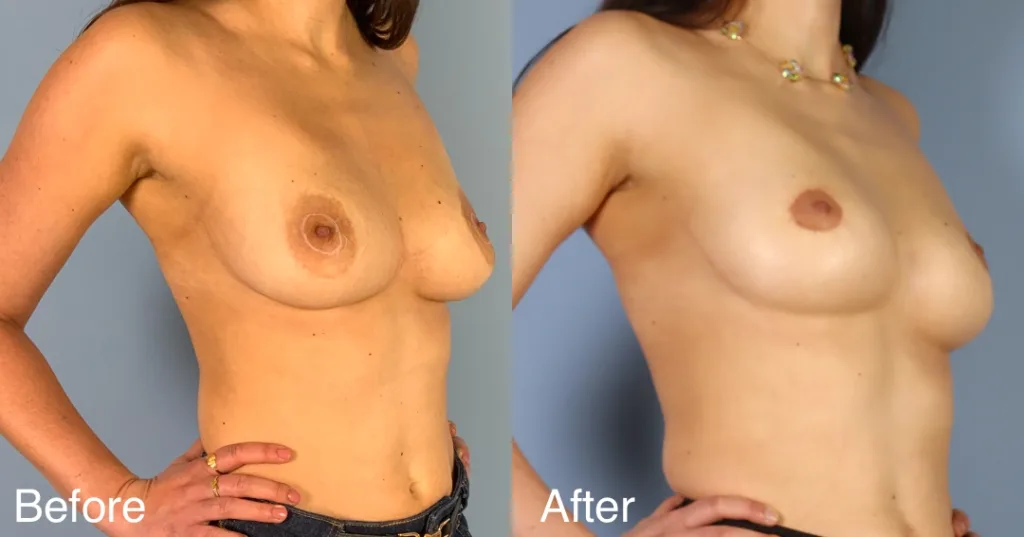
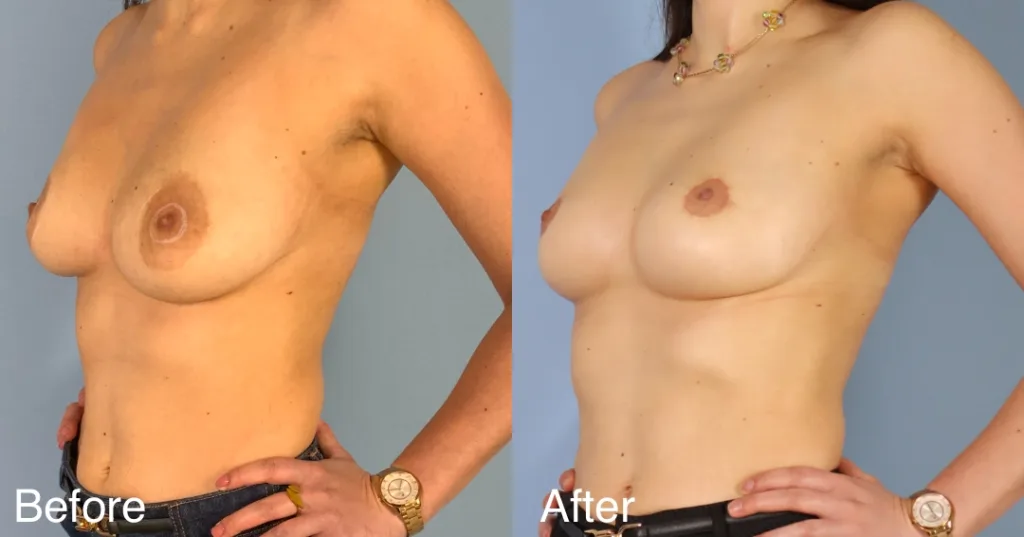
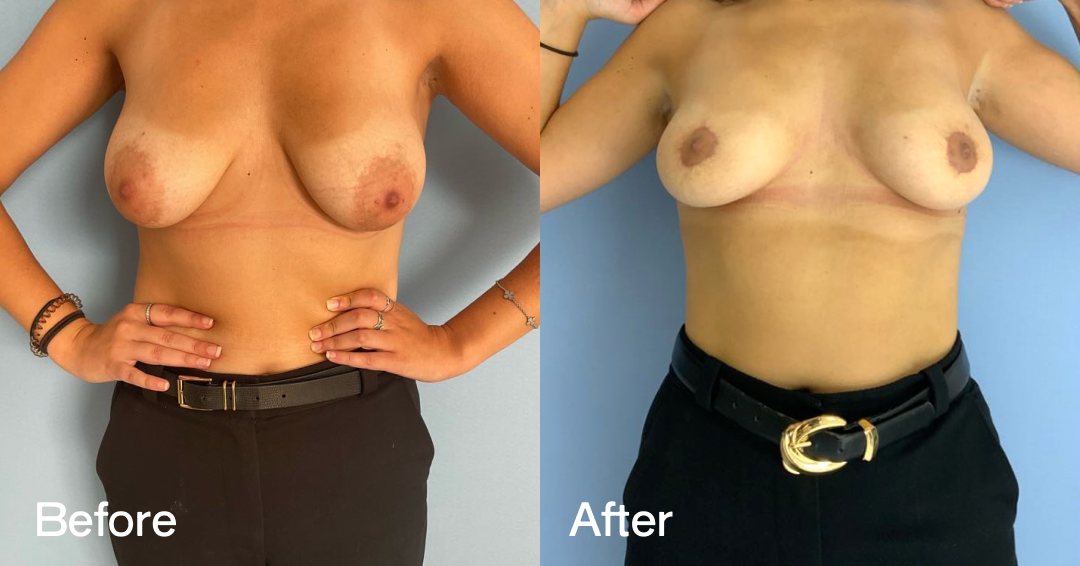
Benefits of Areola Reduction Surgery
Areola reduction may offer several potential outcomes for appropriately selected patients, depending on individual anatomy and surgical planning:
Proportion adjustment: Areola reduction surgery may reduce the diameter of the areolas to improve proportional balance with the breast
Symmetry correction: If you have uneven areolas, the procedure may be used to improve symmetry, although outcomes depend on baseline differences
Change in breast appearance: Adjusting the areola size may alter the overall appearance of the breast, depending on existing shape and tissue characteristics
Combination treatments: Areola reduction surgery may be performed alongside other procedures, such as breast augmentation or reduction, where clinically appropriate
The CREO Apex Recovery System
What To Expect: Before, During & After
The recovery process following areola reduction surgery varies between patients and is influenced by surgical planning, individual healing, and post-operative care. The stages below outline a typical progression.
Before Surgery
Nicotine abstention: You will need to abstain from nicotine use for at least four weeks before and after the surgery
Stop taking oestrogen contraceptives/HRT: These medications can increase the risk of blood clots, so you will need to stop taking them for four weeks before surgery
Alcohol reduction: You should reduce your alcohol consumption. We recommend no binge drinking for at least two weeks prior to the surgery
Prepare your home: Ready your home for a comfortable recovery and arrange any necessary child or pet care for the initial recovery stage
Day Of Surgery
During the initial recovery period, you are monitored to ensure your safety and comfort. Most patients are discharged from the hospital on the same day, although discharge timing may vary depending on recovery and clinical assessment.
Initial Recovery
A return to work and normal daily activities depends on individual recovery, with some patients resuming light activities within a few days, while others may require longer. More strenuous exercise is typically delayed for several weeks, depending on healing and clinical guidance.
Final Results
Risks, Limitations & Considerations
As with any surgical procedure, an areola reduction carries potential risks and limitations that vary among patients and are influenced by individual anatomy, medical history, and the extent of the surgery. These are discussed in detail during your initial consultation to give you a clear and informed understanding of the procedure before you proceed.
You will have some scarring from areola reduction, typically around the border of the areola itself. The appearance and extent of scarring can vary and are influenced by factors such as skin quality, healing response, and surgical technique.
Other potential considerations may include delayed wound healing, changes in nipple or skin sensation, or asymmetry, although not all patients will experience these.
Outcomes, recovery time, and final results of this surgery can vary depending on each patient’s anatomy, surgical approach, and healing progression.
Cost & Financing Options
Prices for areola reduction surgery start from £4,900. The final cost of the surgery depends on the complexity of the procedure, which is why a personalised quote is available only after your one-to-one consultation with Dr Tillo.
The price of the surgery includes:
- Use of CQC-registered surgical facilities
- Surgeon and anaesthetic fees
- Preoperative assessments
- A structured APEX aftercare package
- Post-surgical follow-up and monitoring
To make areola reduction financially accessible, we offer financing options through our partner, Chrysalis Finance, helping patients spread the cost of the surgery over multiple instalments.
Interest-free payment plans are available, as are longer-term plans with subsidised interest. All borrowing is subject to approval.
Why Choose Creo Clinic
At the CREO Clinic, areola reduction surgery is delivered through a clinically led process focused on appropriate patient selection, surgical planning, and post-operative care.
Specialist Breast Surgeons
All areola reduction procedures are performed by Dr Tillo, a specialist breast surgeon. This ensures that assessment and treatment are based on focused experience in breast surgery, rather than a generalised approach.
Surgeon-Led Consultation
All surgical decisions are made following a one-to-one consultation. During this process, your anatomy, medical history, and treatment goals are assessed to determine whether areola reduction surgery is appropriate, and if so, how it should be performed.
Integrated Aftercare
Areola reduction is usually performed under local anaesthetic and lasts about one hour.
Post-operative care is incorporated into the overall treatment pathway. Follow-up and recovery support are structured to monitor healing and identify any issues early, with adjustments made where clinically required.