





Breast augmentation is a surgical procedure that aims to increase breast volume, improve symmetry between the breasts, or restore volume lost through pregnancy, breastfeeding, or weight loss. The augmentation can be performed using implants, targeted fat transfer, or a combination of both, known as composite breast augmentation.
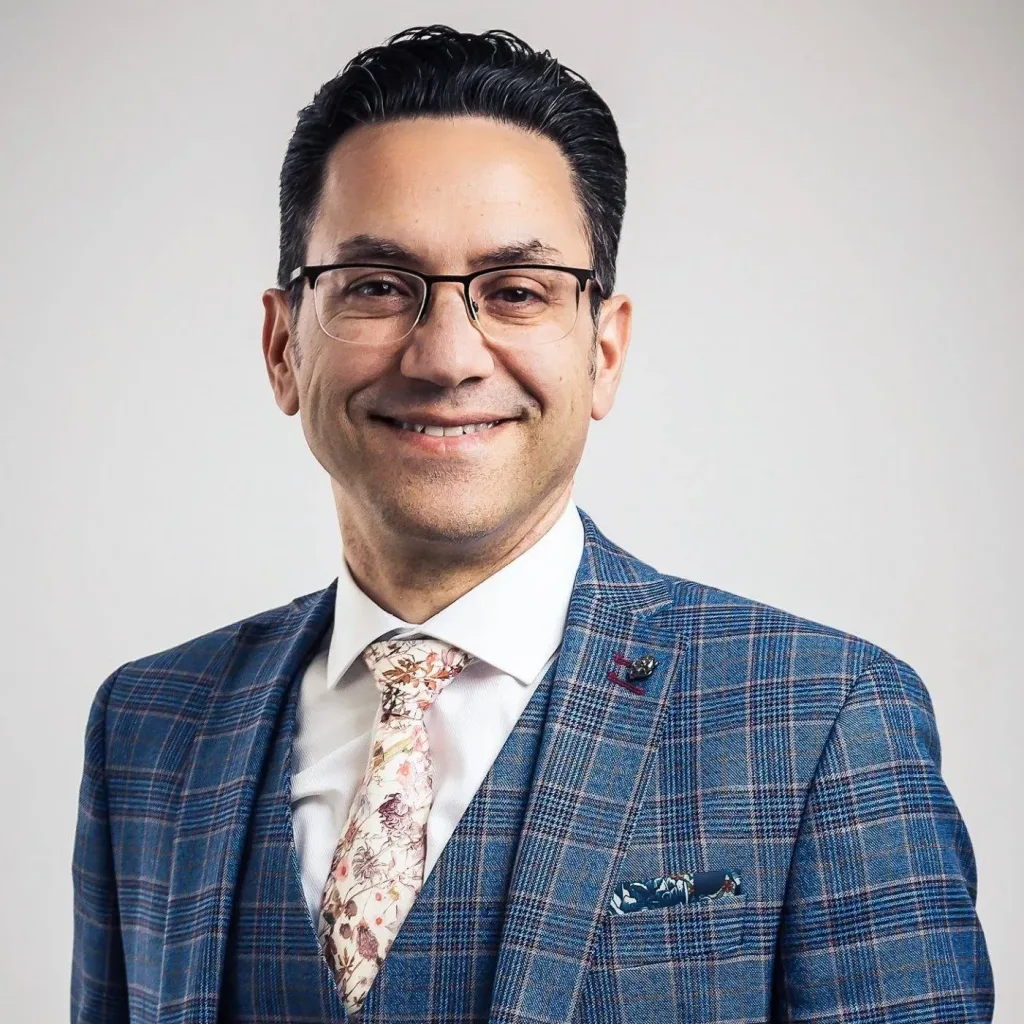
Breast augmentation with silicone implants at the CREO Clinic is performed by our Medical Director, Dr Omar Tillo, a GMC-registered specialist, Fellow of the Royal College of Surgeons (FRCS) and a member of the British Association of Aesthetic Plastic Surgeons (BAAPS).
Fat transfer breast augmentation is performed by both Dr Tillo and Dr Dan Del Vecchio, a board-certified plastic surgeon, member of the American Board of Plastic Surgery (ABPS) and the American Association of Plastic Surgeons (AAPS), and an internationally recognised specialist in fat transfer.
Surgery at a Glance
Treatments
1Results
6-12 WeeksAnesthesia
Sedation or GeneralSurgery Time
2-3 HoursHospital Time
6 HoursMobility
ImmediatelyWashing
2 DaysOff-Work
10 DaysExercise
6 WeeksFull Recovery
6 WeeksWhy This Procedure Matters
Restoring Volume After Pregnancy or Weight Loss
Structural changes to the breasts are common after pregnancy and breastfeeding, as the weaning period causes an expansion of glandular tissue which then involutes, leaving skin that is stretched but may not have fully retracted. For some women, upper-pole fullness decreases after breastfeeding, and augmentation can help to restore volume in areas where it has been lost and is affecting overall shape.
Similar changes in breast size and shape can occur after weight loss, as decreased fat levels in the body can also lead to a loss of fullness in the upper poles.
Addressing Asymmetry and Proportion
A degree of breast asymmetry is common in women, whether the result of genetics or life events such as pregnancy and breastfeeding. Pronounced differences between the breasts may benefit from breast augmentation as a way to help readjust proportion and work to create greater symmetry between the breasts.
Confidence, Body Balance, and Clothing Fit
Imbalances in the shape or size of the breasts can lead to physical and aesthetic issues that impact long-term confidence in the physique. For example, breasts that have lost fullness can affect the fit of clothing, which may create discomfort or self-consciousness. Long-term concerns about balance or the appearance of the breasts may become an aesthetic issue that an adjustment in size can help to address.
Adding volume to the breasts can help clothes sit better on the chest and may reduce any physical irritation or self-consciousness associated with dressing and wearing clothes in public.
How Breast Augmentation Surgery Works
The approach used during a breast augmentation depends on the patient’s anatomy, the existing breast tissue and skin quality, and their long-term treatment goals. The surgeon will choose between the three main types of augmentation based on a one-to-one clinical assessment, during which the different approaches will be discussed in detail.
What Happens During Surgery
Before an implant surgery begins, Dr Tillo will create pre-operative markings while the patient is standing. Once general anaesthetic has been administered, an incision is created in the breast to allow for the creation of a pocket into which the breast implant is inserted.
Advanced suturing techniques with dissolvable sutures are used to close the incision, as these are designed to both optimise recovery and eliminate the need for a return to the clinic for suture removal.
The process of fat transfer augmentation begins with liposuction at the donor sites. The liposuction typically aims to remove fat from areas where stubborn fat can accumulate, such as the abdomen, flanks, or thighs. Extracted fat is purified and then injected subcutaneously into the breasts across several passes in order to layer the fat. The small entry-point incisions, typically 1cm or less, for the cannula are then closed with dissolvable sutures.
For a composite breast augmentation, these two processes are combined, with the implant inserted before or after fat transfer according to the surgical plan and the surgeon’s assessment of the patient’s anatomy.
Implant Types and Selection
In the past, breast augmentations were performed using saline implants, but these have been phased out over time and are rarely used in UK cosmetic surgery. At the CREO Clinic, Dr Tillo uses silicone-filled implants that can come in either a teardrop or round shape. Different shaped implants can be used according to the patient’s anatomy and clinical needs.
Implant Placement and Incision Options
The most common entry point for implant insertion is via an incision at the inframammary fold, but smaller-sized implants can also be inserted via an incision along the lower border of the areola.
Once an incision is made, a pocket must be created to house the implant. The pocket can be prepectoral, above the muscle, or subpectoral, below the pectoralis major muscle. The prepectoral technique is typically simpler and results in a shorter recovery, however, it carries a slightly higher risk of implant visibility and rippling if the covering tissue in the area is thin.
A submuscular pocket may be used in patients with thinner breast tissue or skin, with the disadvantage that this can result in a longer recovery.
In some cases, a dual-plane technique is used, where the upper pole of the implant is inserted under the muscle while the lower pole sits above the muscle, allowing the implant to move more naturally.
The choice between implant position follows careful consideration of the advantages and disadvantages of each technique. Implanting via the inframammary fold typically provides the best aesthetic result and is suitable for all implant types. This technique leaves a scar that sits in the inframammary fold but is generally concealed by the breast itself. A periareolar scar is typically more subtle as it tends to blend with the skin around the areola over time, but this approach is often not suitable for medium to large implant sizes.
Anaesthetic and Surgical Environment
Regardless of the techniques used, a breast augmentation is typically a day case performed under general anaesthetic. For implants or fat transfer only, the surgery usually lasts between one and two hours, whereas a composite procedure combines both surgeries and will take longer as a result. Most patients find they are discharged within a few hours of the completion of the surgery.
Patient Feedback and Outcomes
Is Breast Augmentation Right for You?
Who It Is For
Breast augmentation may be appropriate for patients who:
– Are seeking to restore volume lost following pregnancy, breastfeeding, or significant weight loss
– Have breast asymmetry or a difference in size or shape between the two breasts that they wish to address
– Are at a stable weight and have been so for at least six months
– Have a BMI below 30 (use our BMI calculator to check)
– Are not planning further pregnancies in the near future, as subsequent pregnancy may alter results
– Are in good general physical and psychological health
– Are 18 years old or above
– Are non-smokers, or are willing to abstain from all nicotine products for at least four weeks before and after surgery
– Have realistic expectations of what breast augmentation can achieve, including an understanding of scarring, implant longevity, and outcome variability
For fat transfer:
– Have sufficient donor fat available and are suitable candidates for liposuction at the proposed harvest sites
Physical or Functional Considerations
The upper limit of implant size varies from person to person according to their chest size and height. However, approximately 600cc is typically the maximum size of implant used.
Who It May Not Be Right For
– Have a BMI above 30
– Are currently pregnant or breastfeeding
– Are planning further pregnancies, as this may significantly alter results
– Are active smokers or use nicotine products and are unable to abstain for at least four weeks before and after surgery
– Have unrealistic expectations regarding size, symmetry, or the natural appearance of implants
– Have significant weight fluctuations or are actively losing weight
– Have insufficient donor fat for fat transfer and are unwilling or unsuitable for implants
– Have underlying health conditions that increase surgical risk
– Are primarily seeking breast augmentation to address ptosis (sagging); where the nipple has descended below the inframammary fold, a lift may be required alongside or instead of augmentation
Types of Breast Augmentation and Alternatives
Choosing the most appropriate approach to breast augmentation requires careful assessment of the patient’s anatomy, their existing breast volume, and the skin and tissue quality around the breast. These factors must be weighed against the patient’s own cosmetic goals. Below we have detailed the three core techniques used in breast augmentation.
Silicone Implants
Fat Transfer Breast Augmentation
Breast Lift with Augmentation
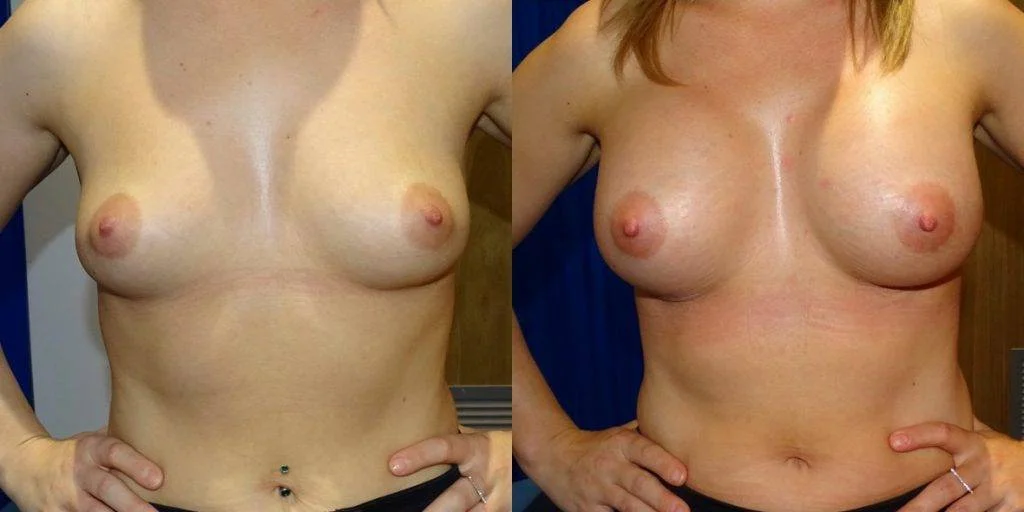
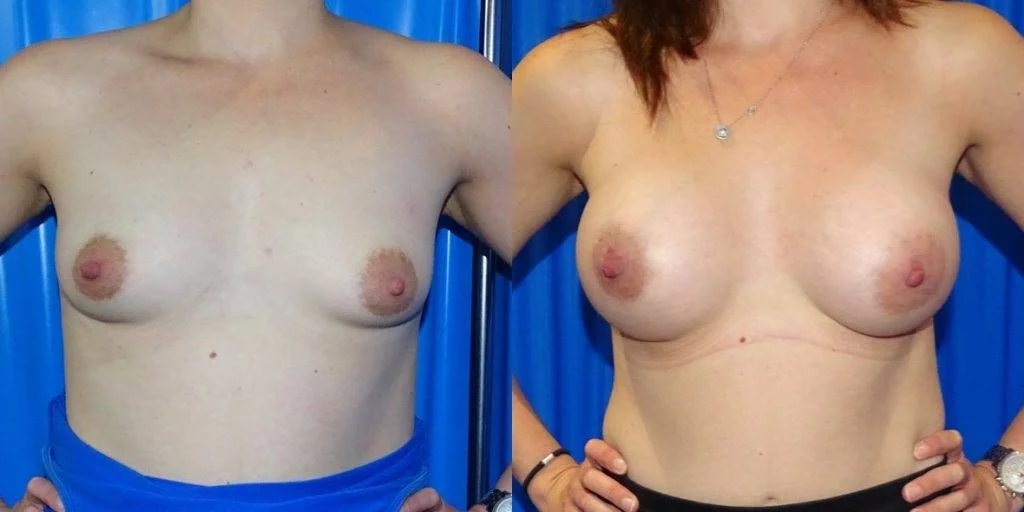
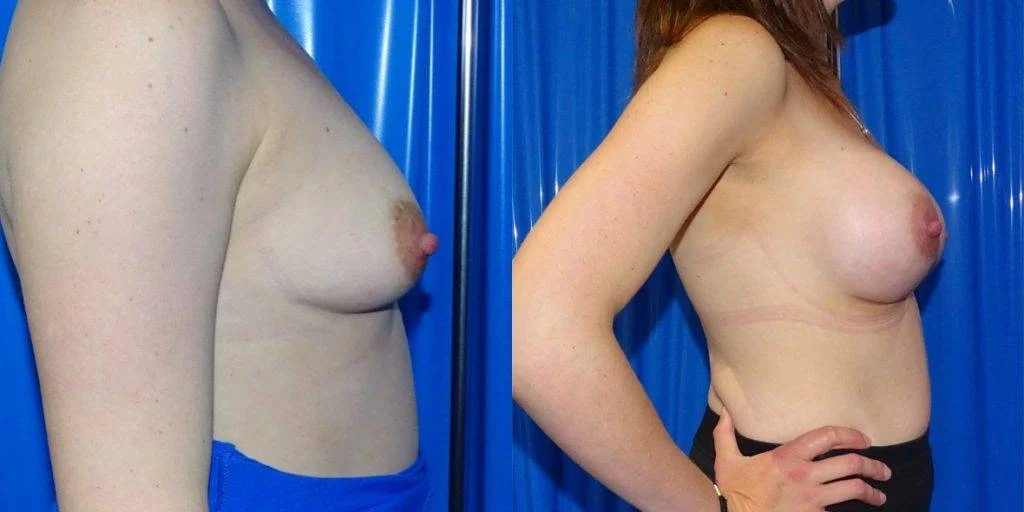
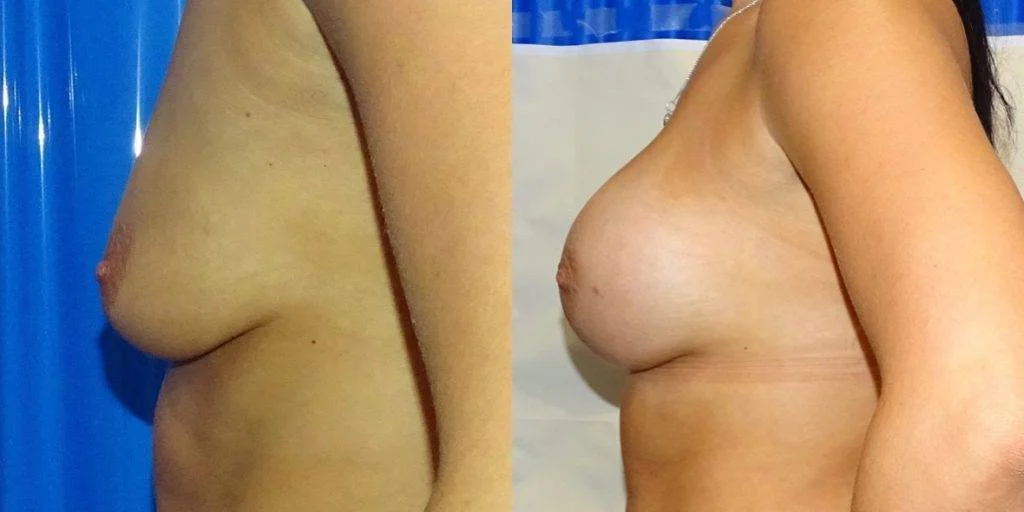
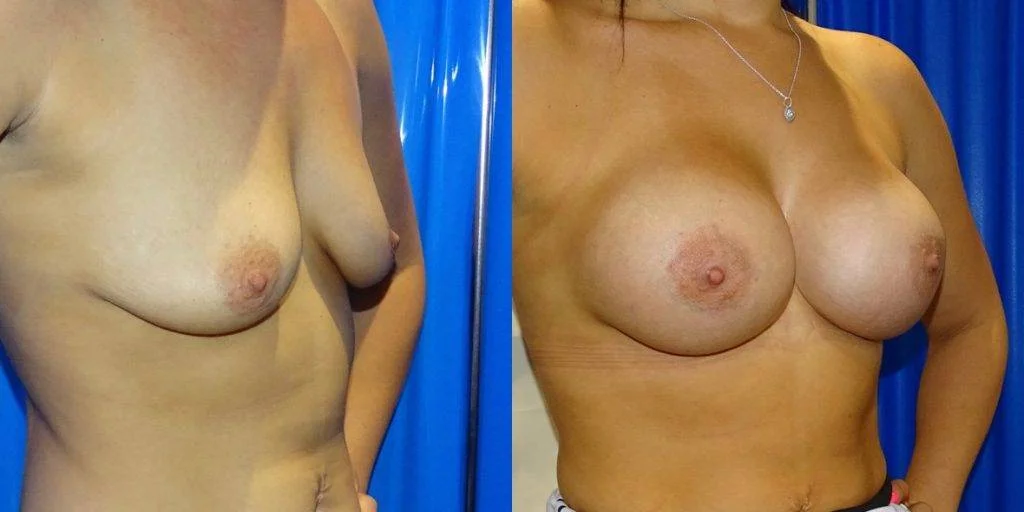
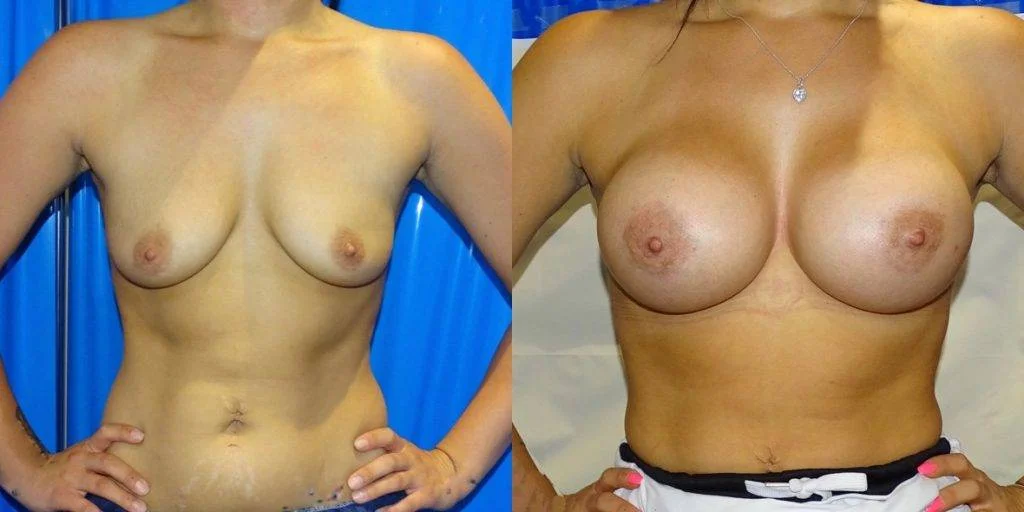
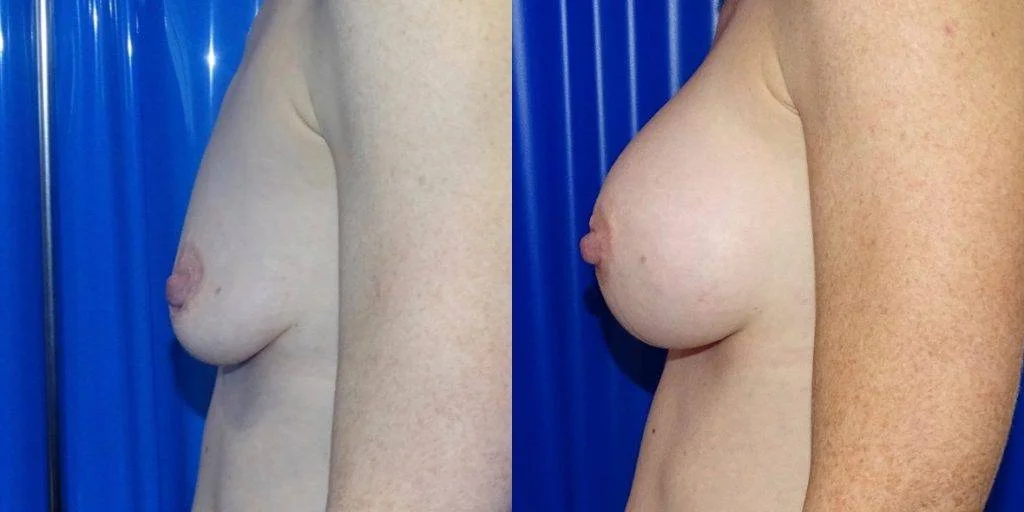
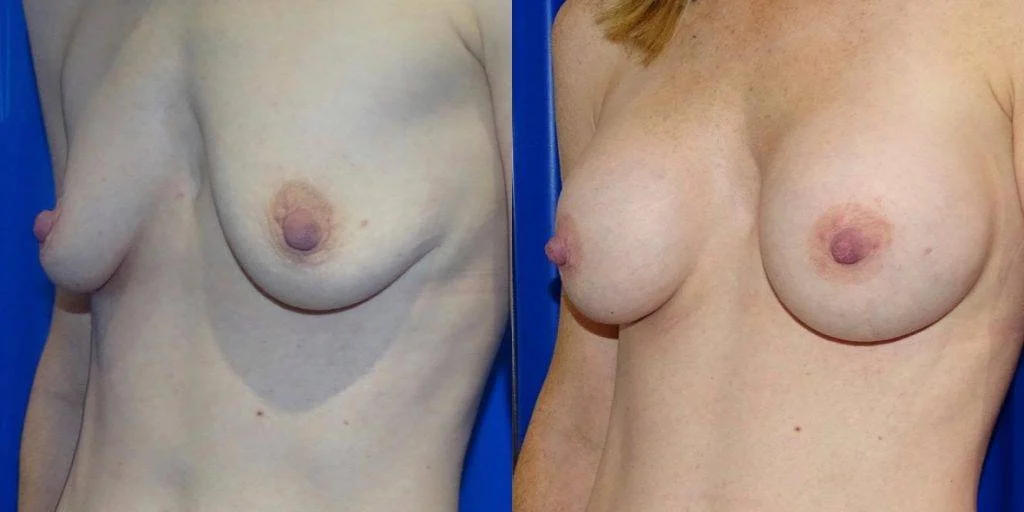
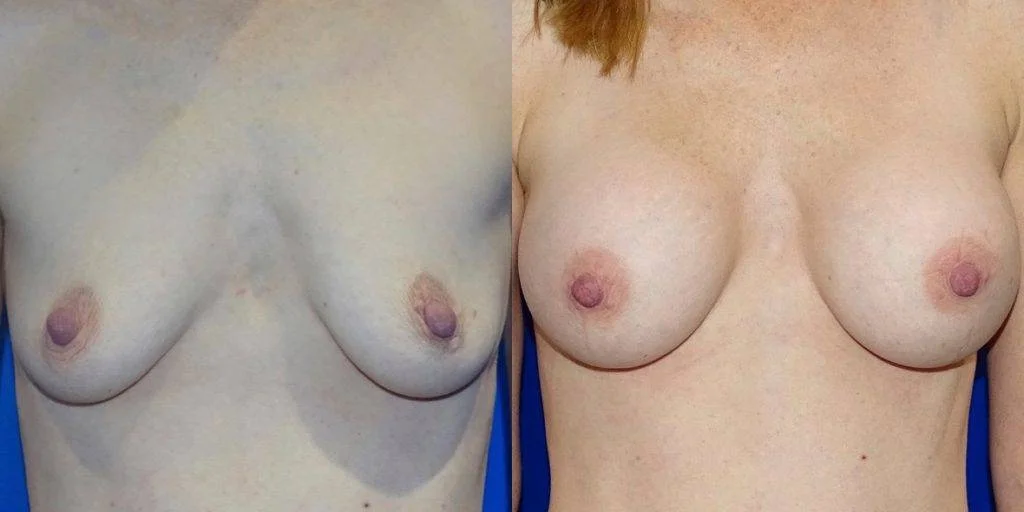
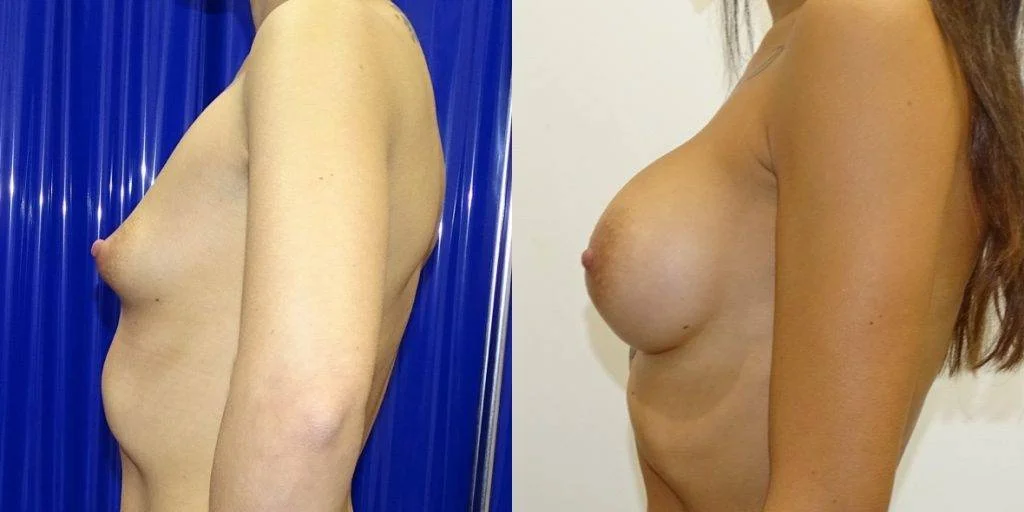
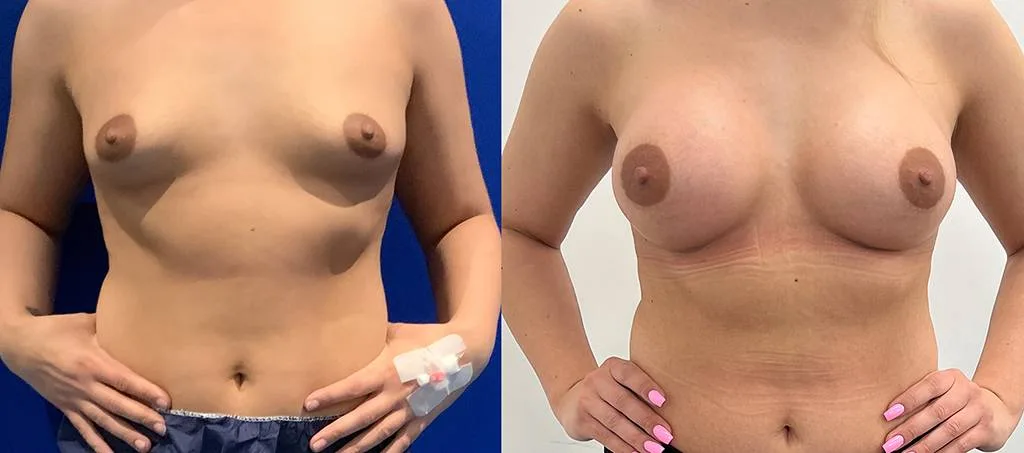
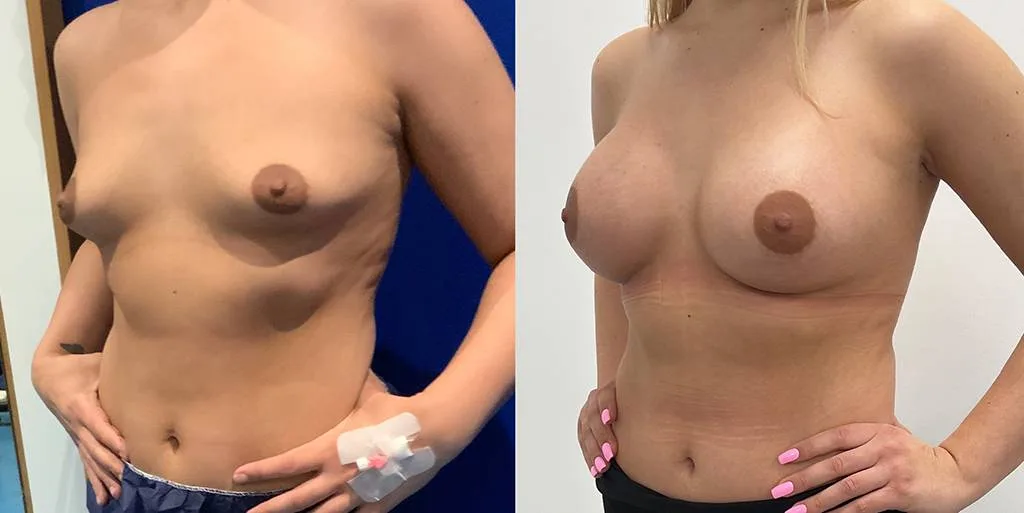
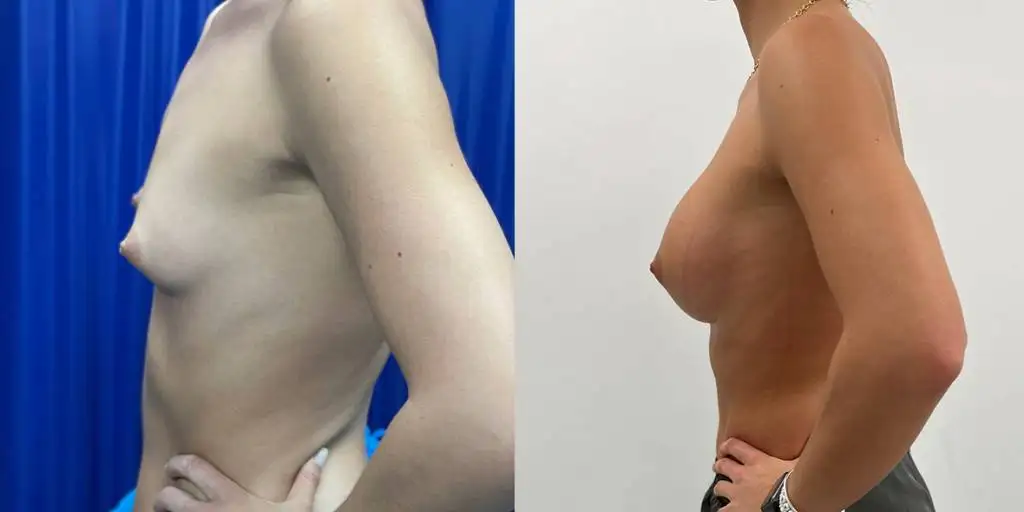
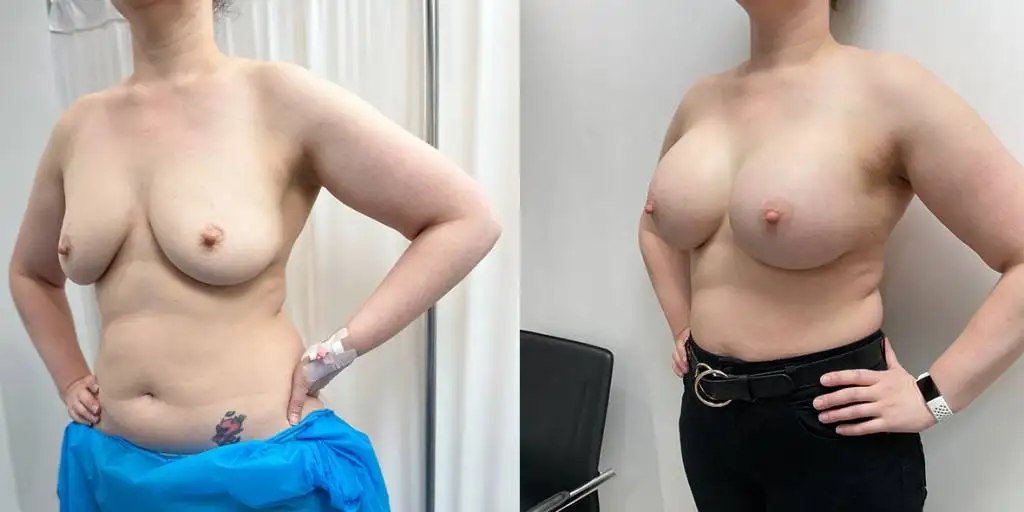
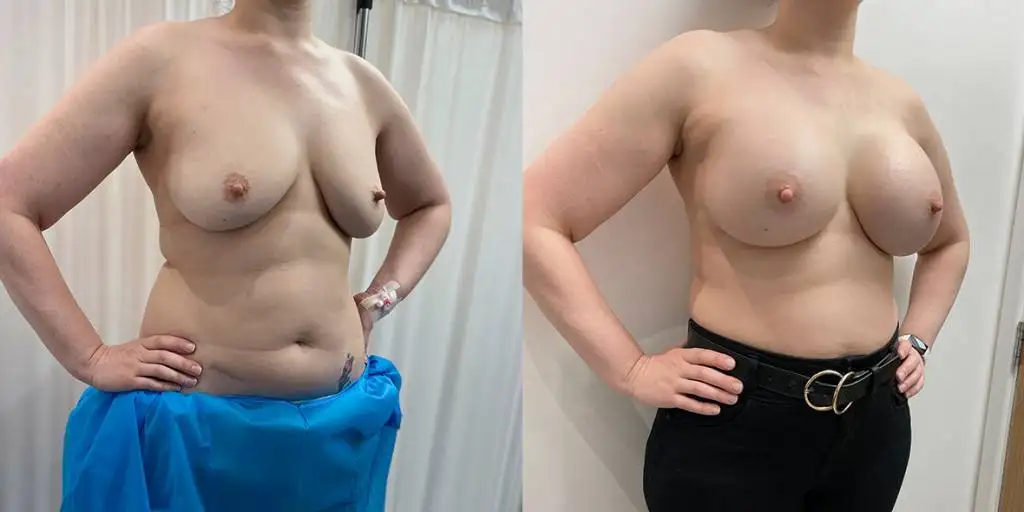
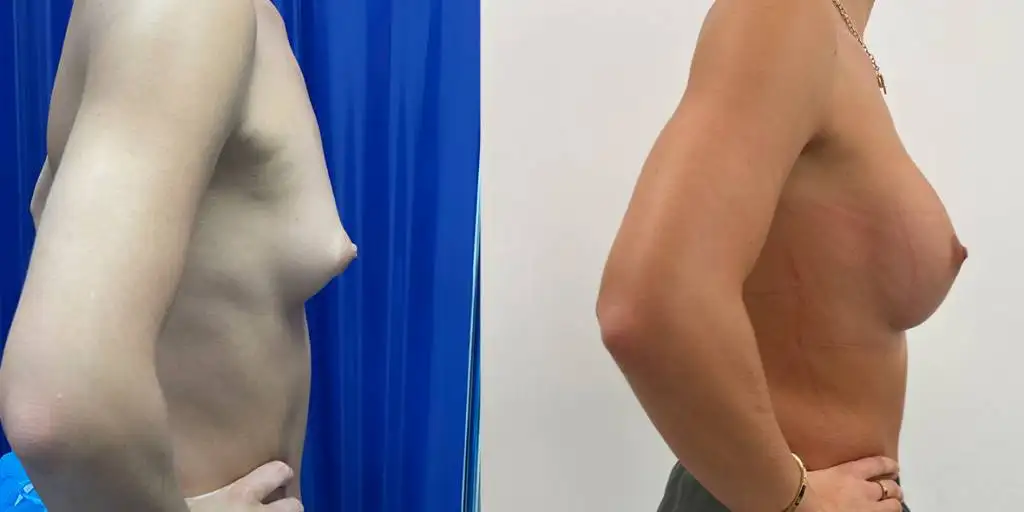
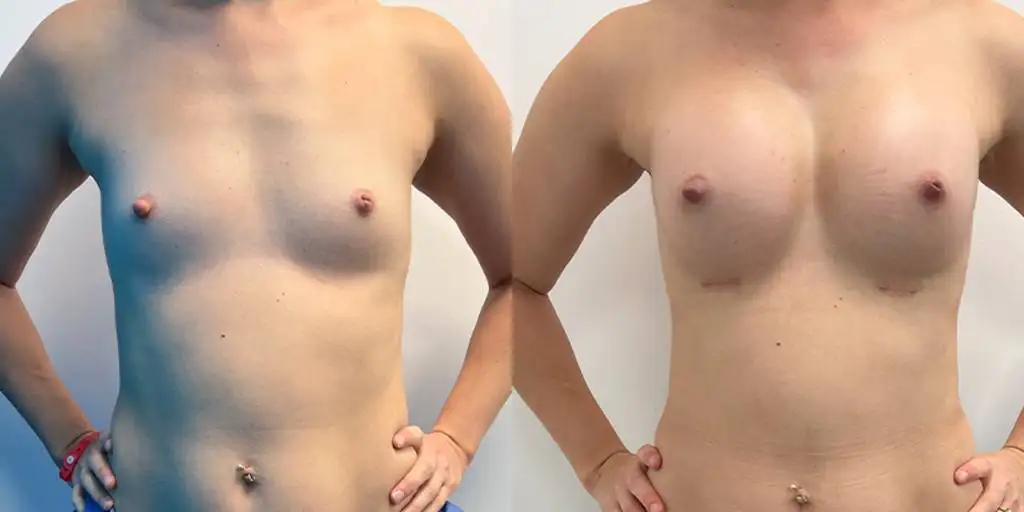
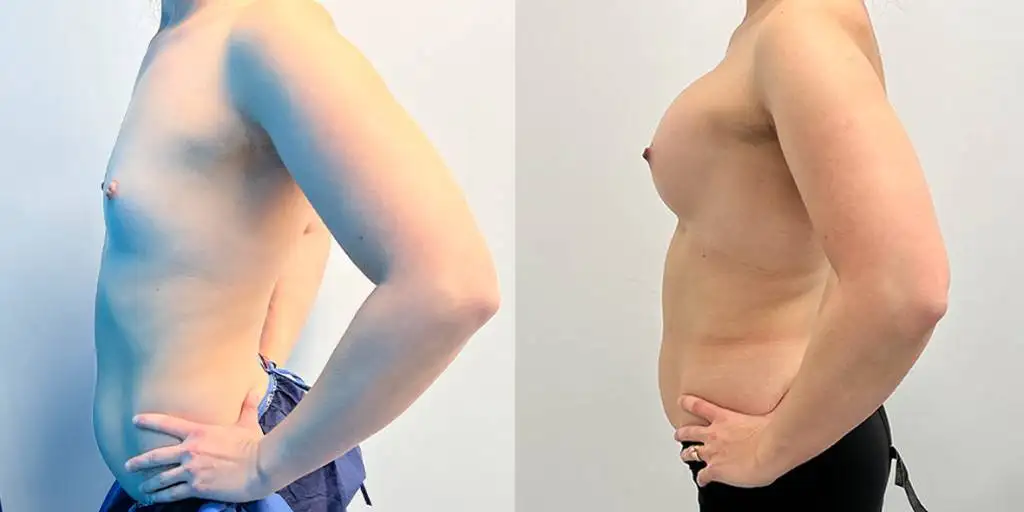
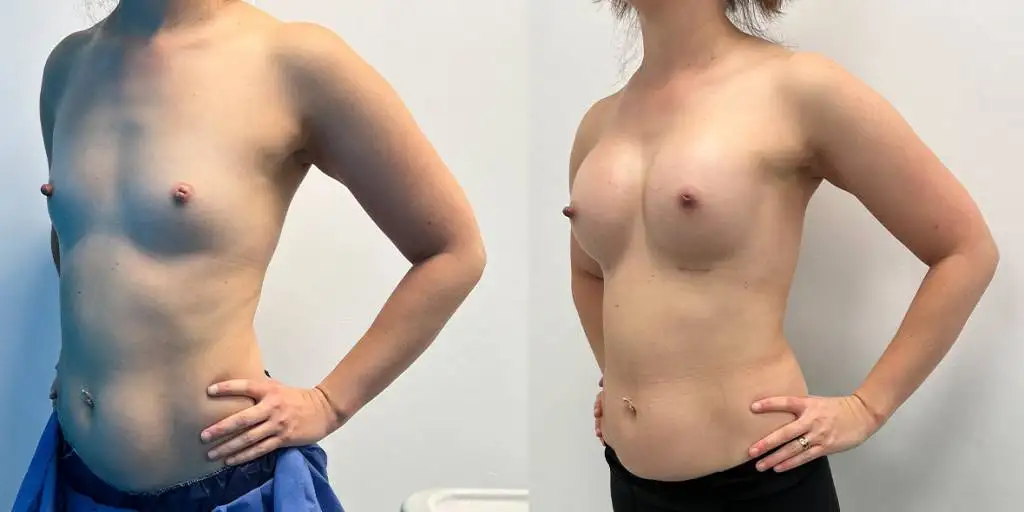
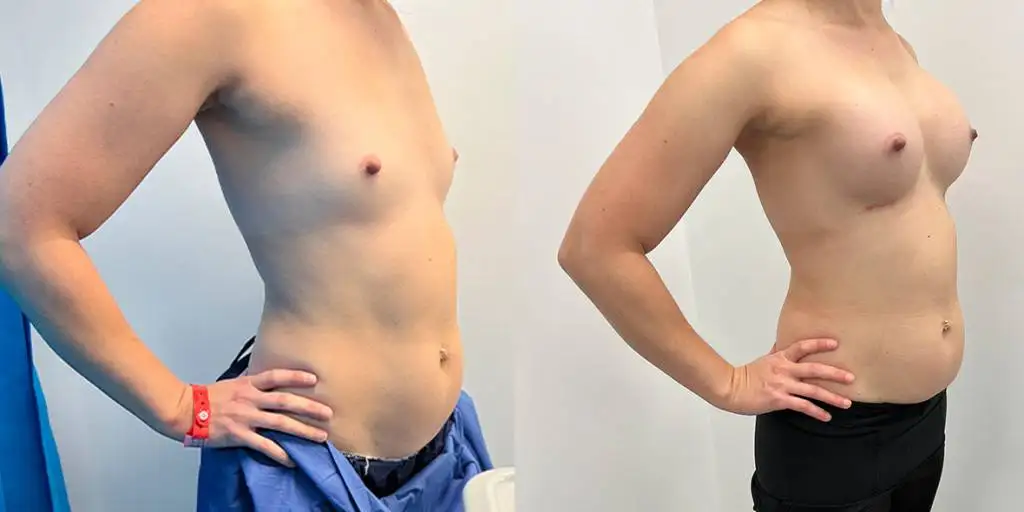
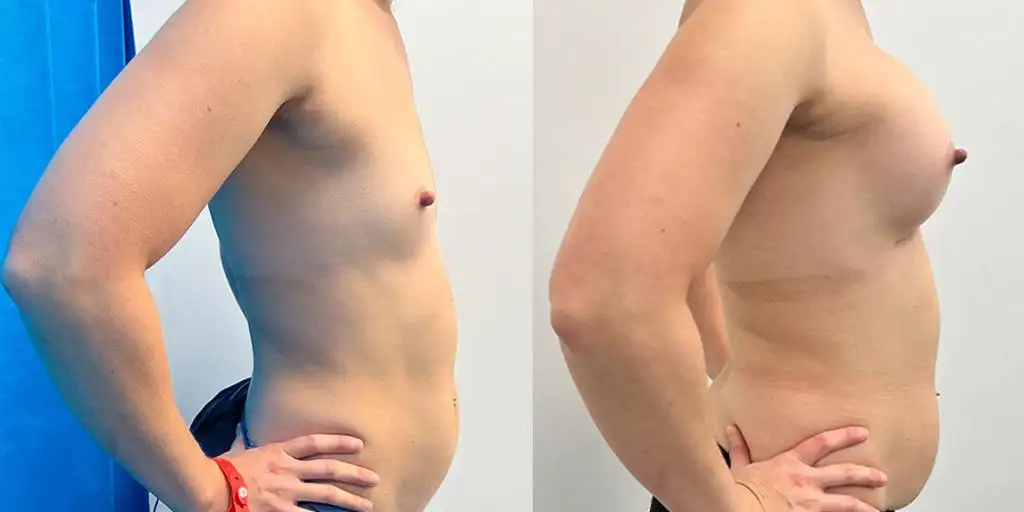
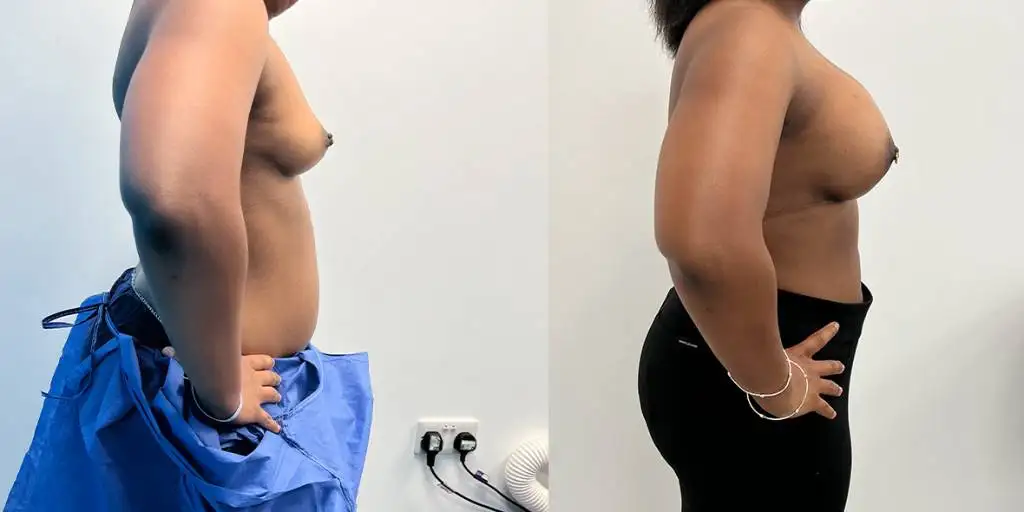
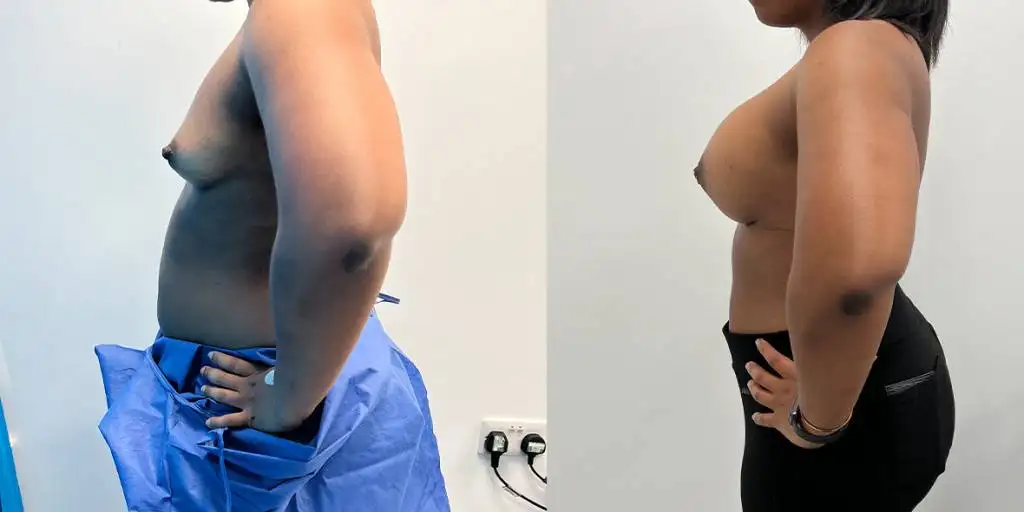
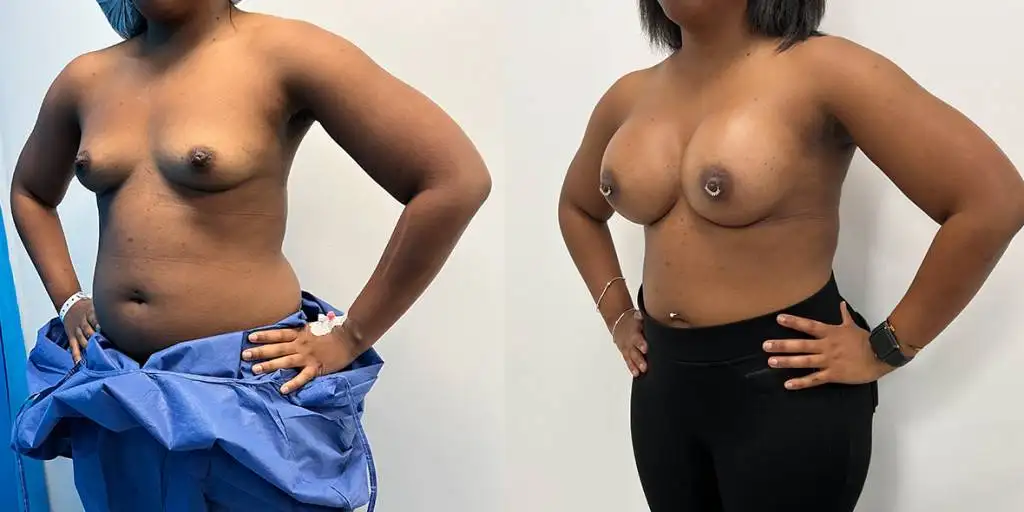
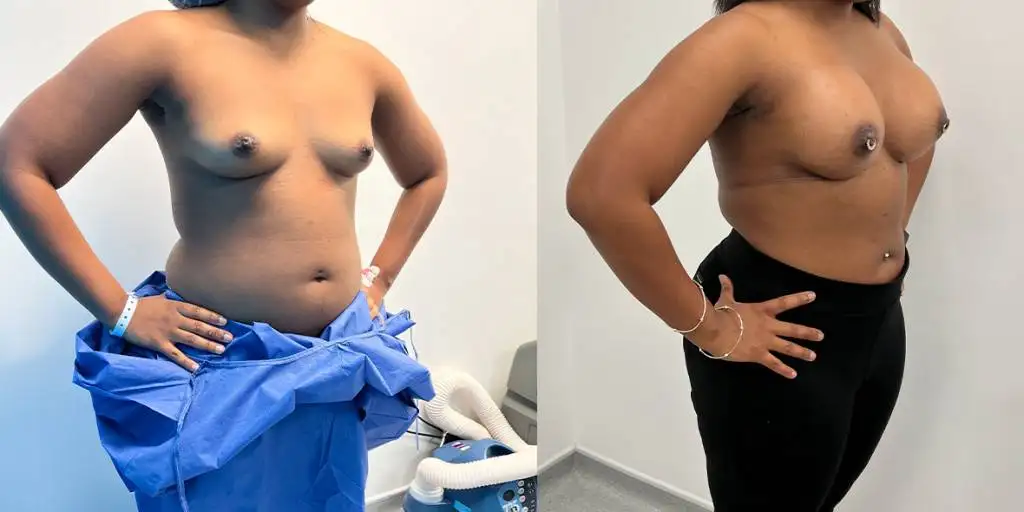
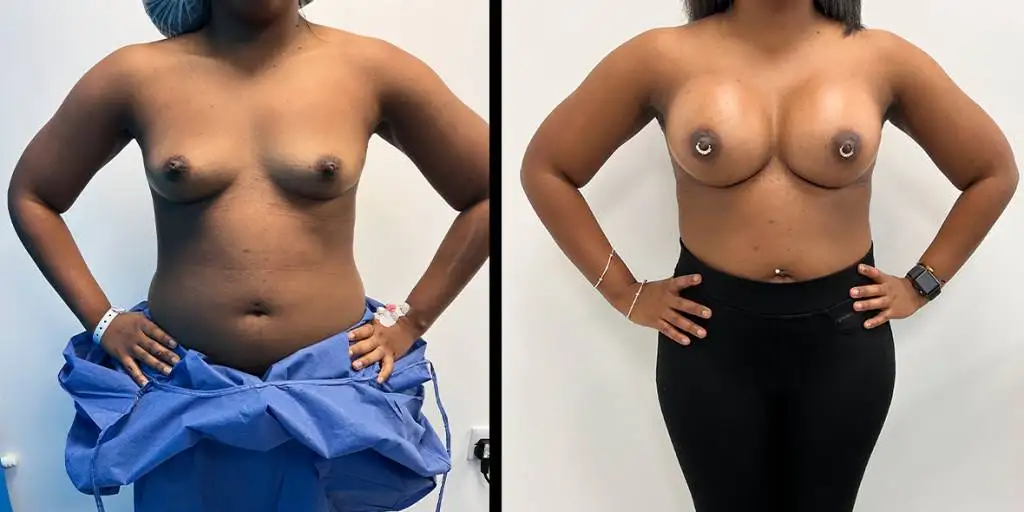
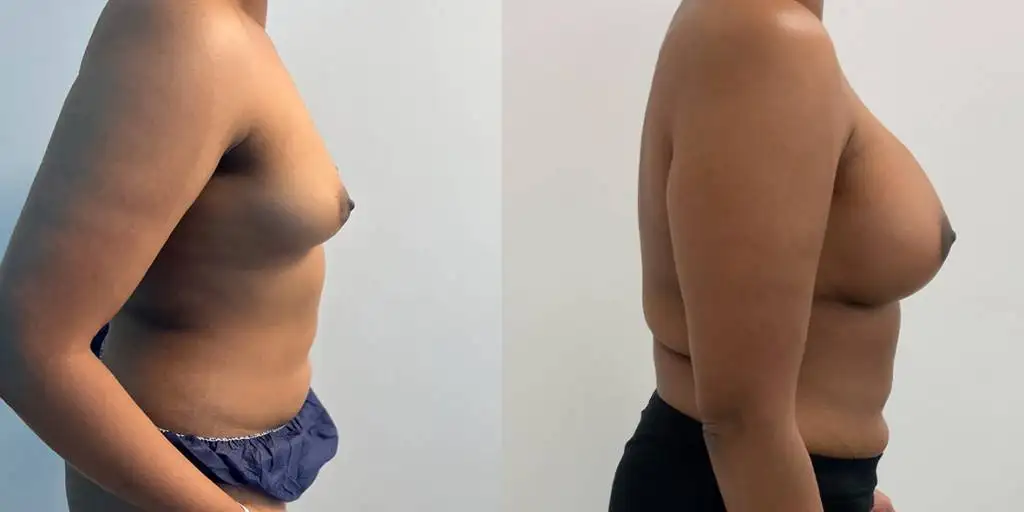
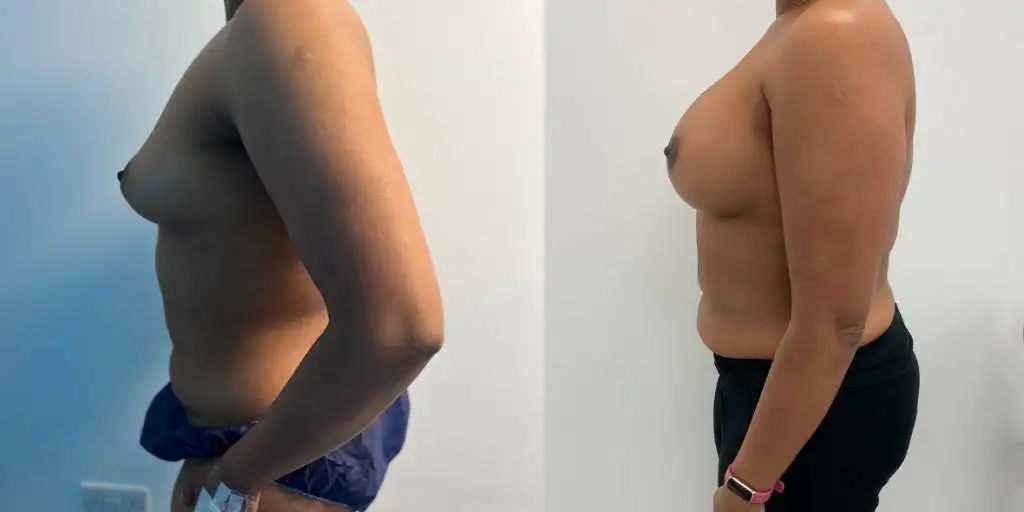
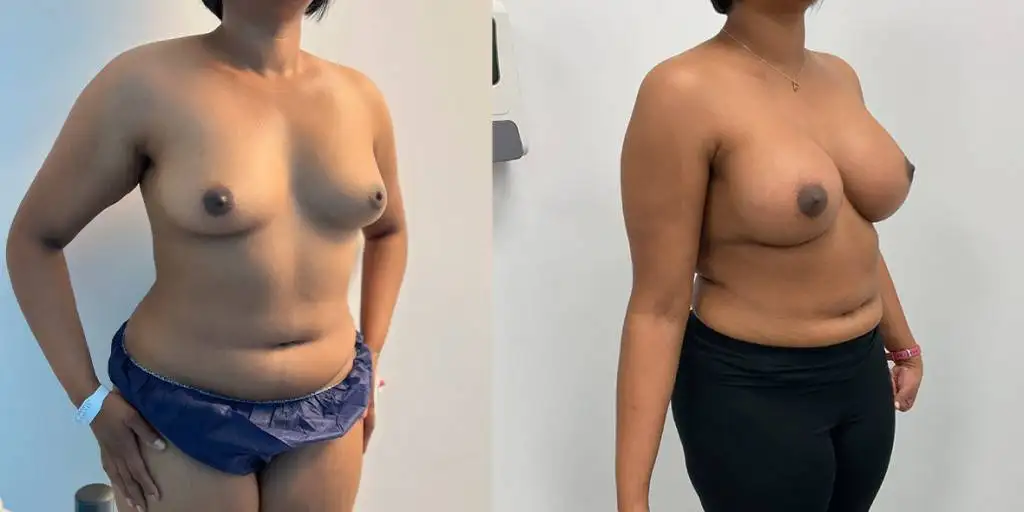
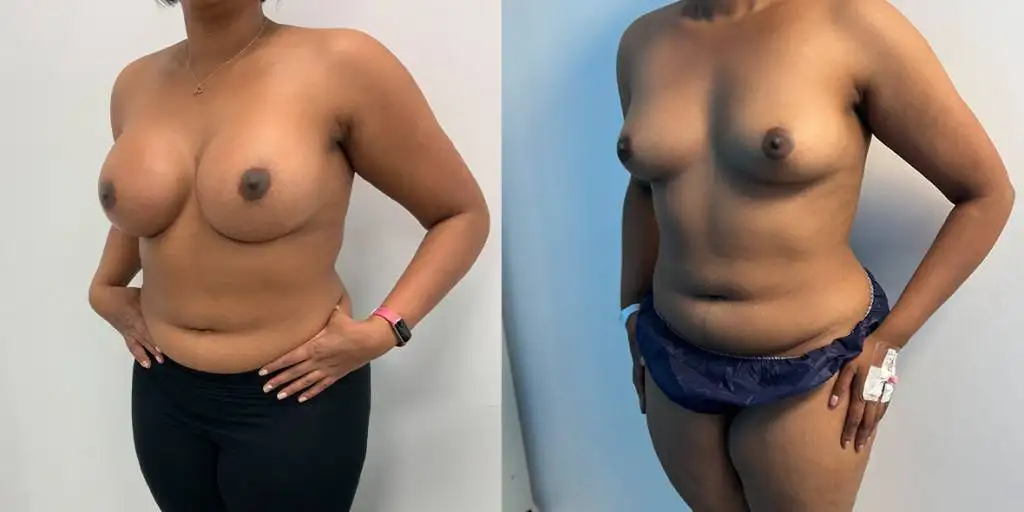
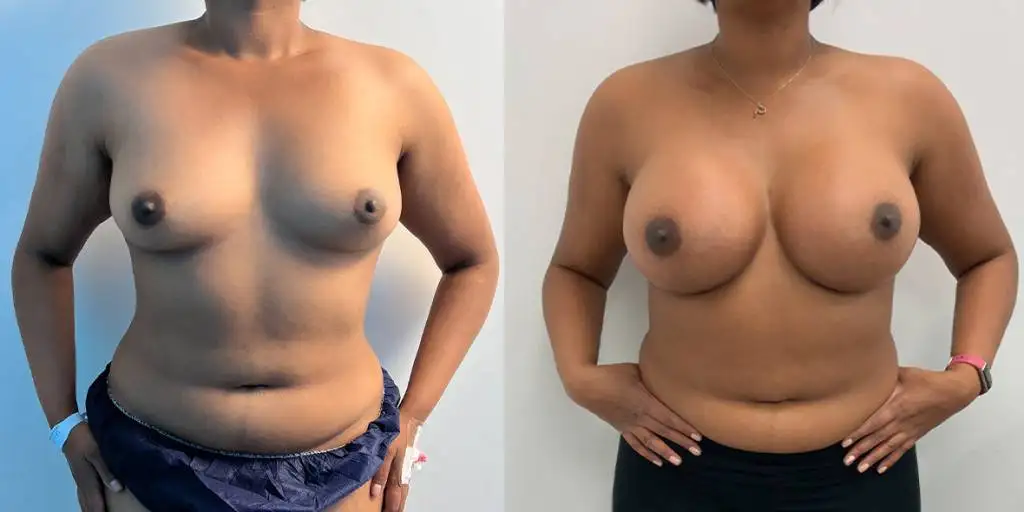
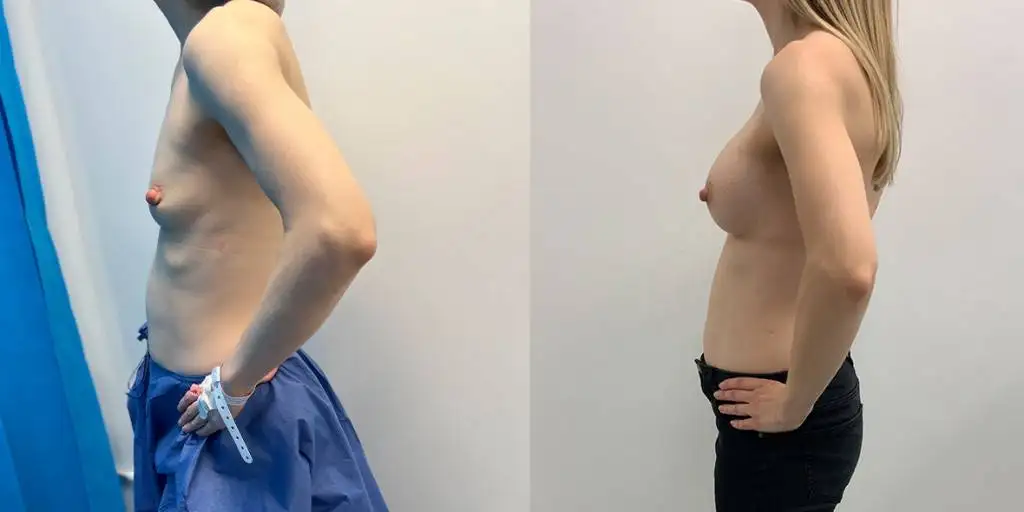
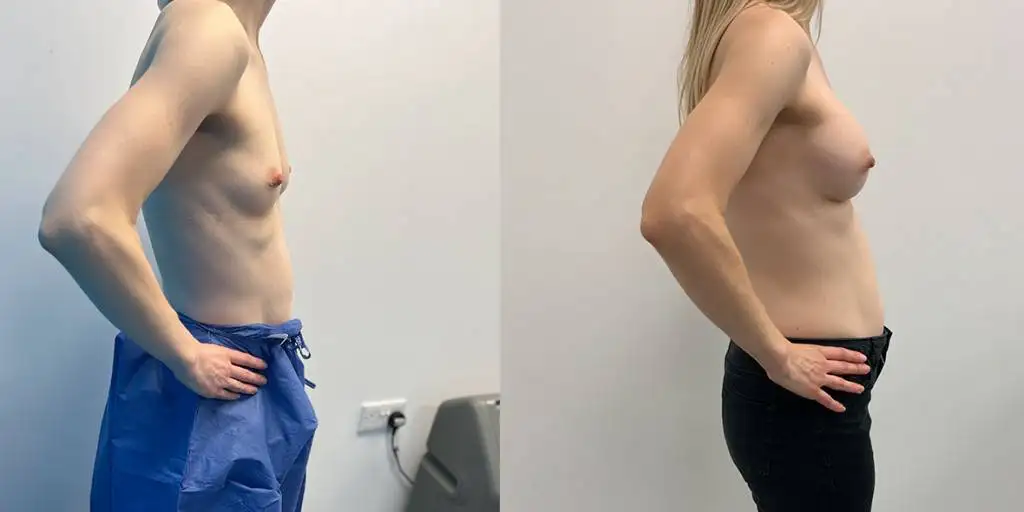
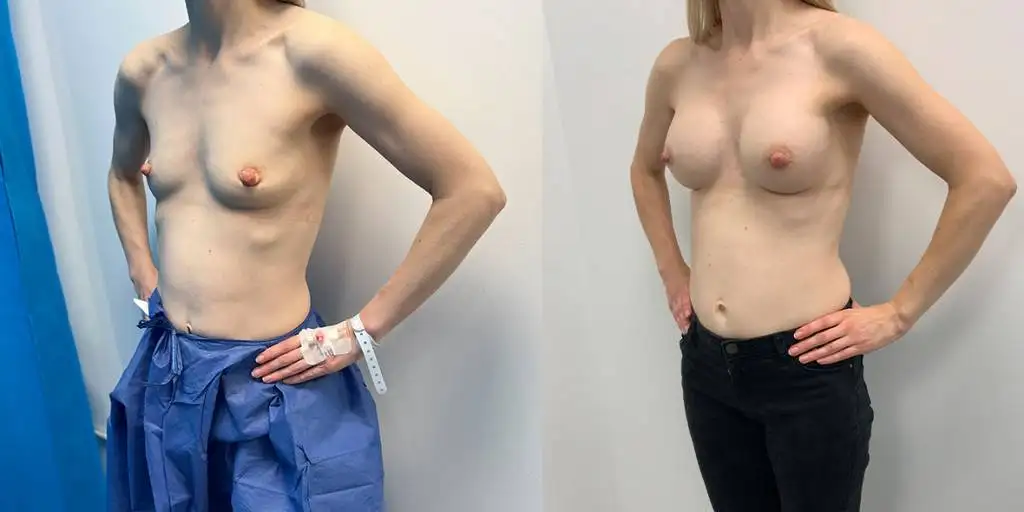
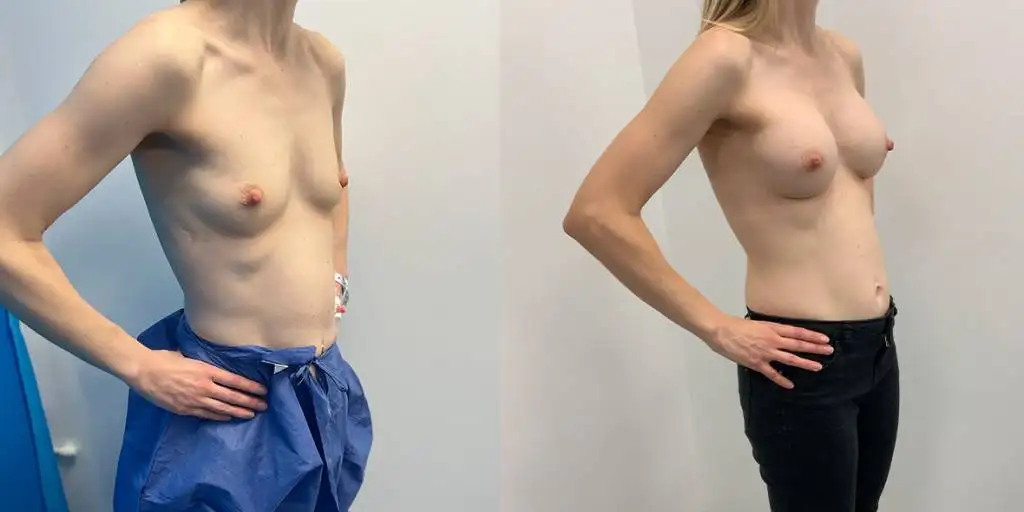
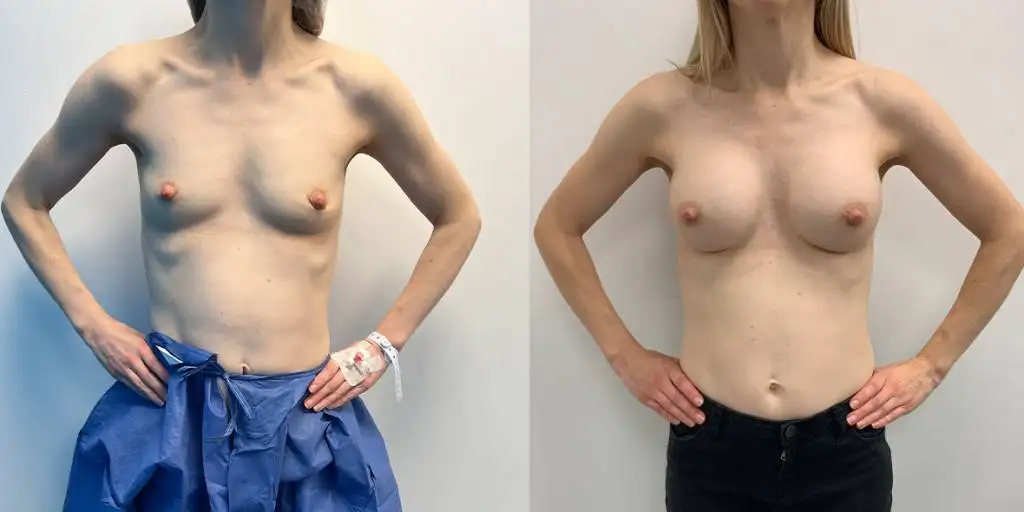
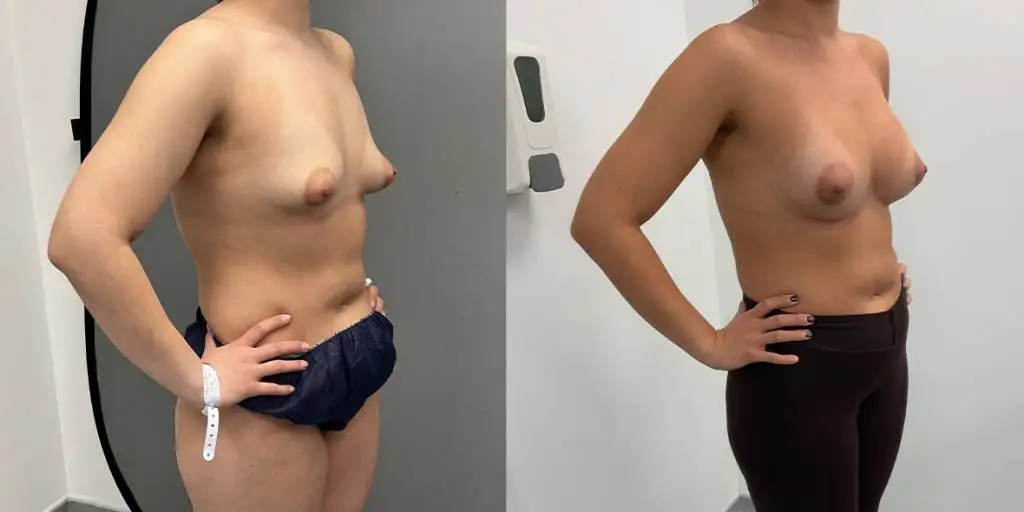
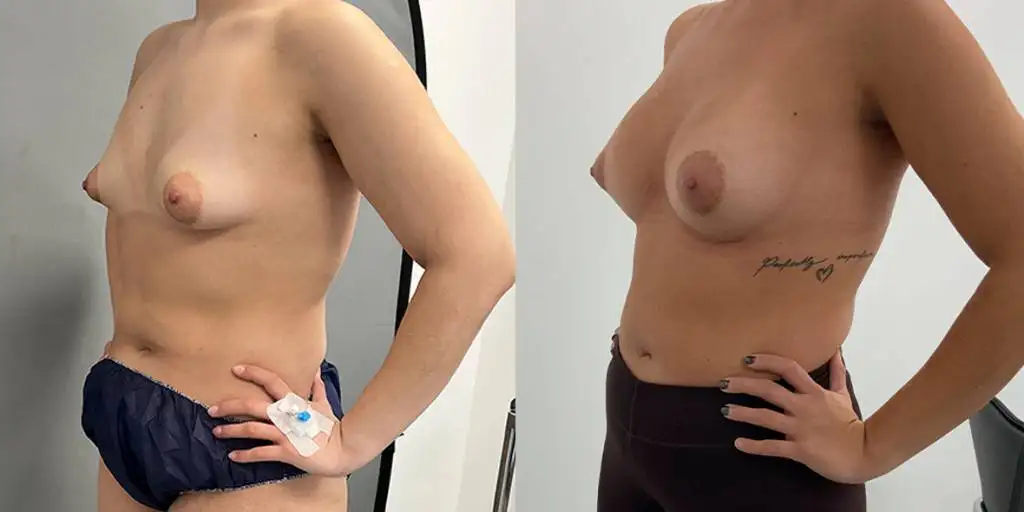
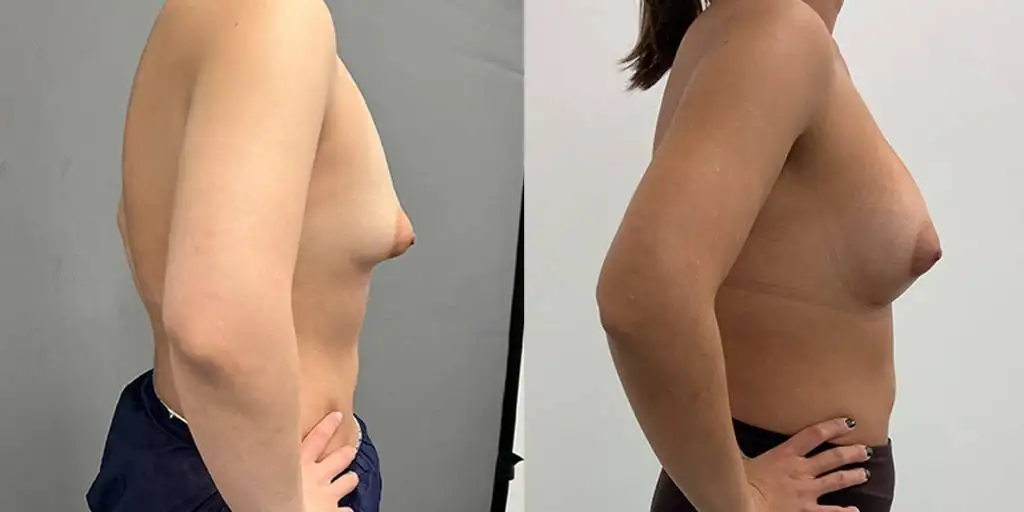
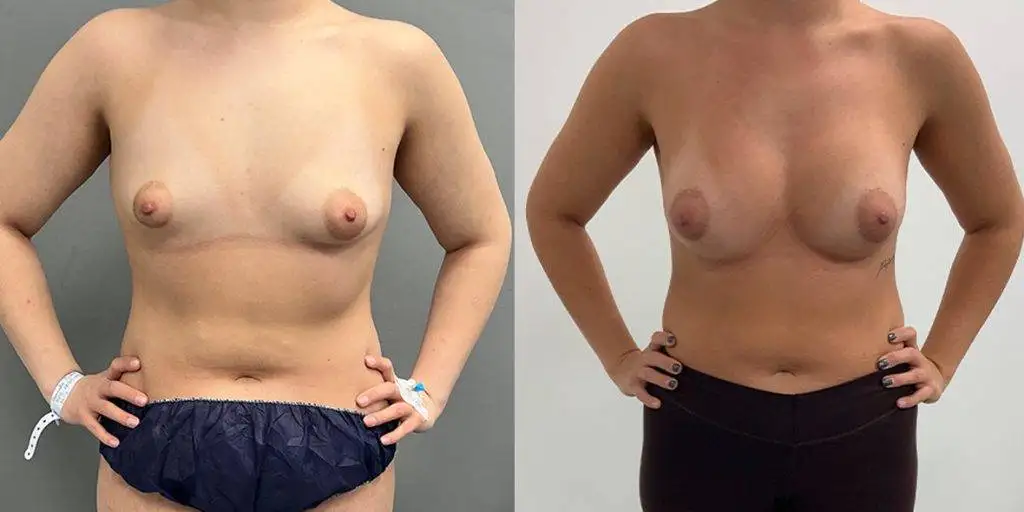
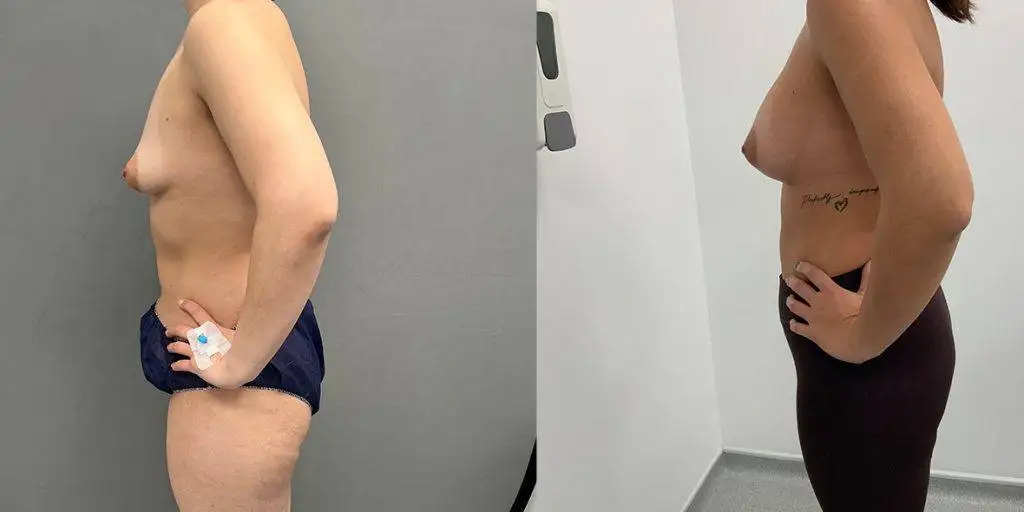
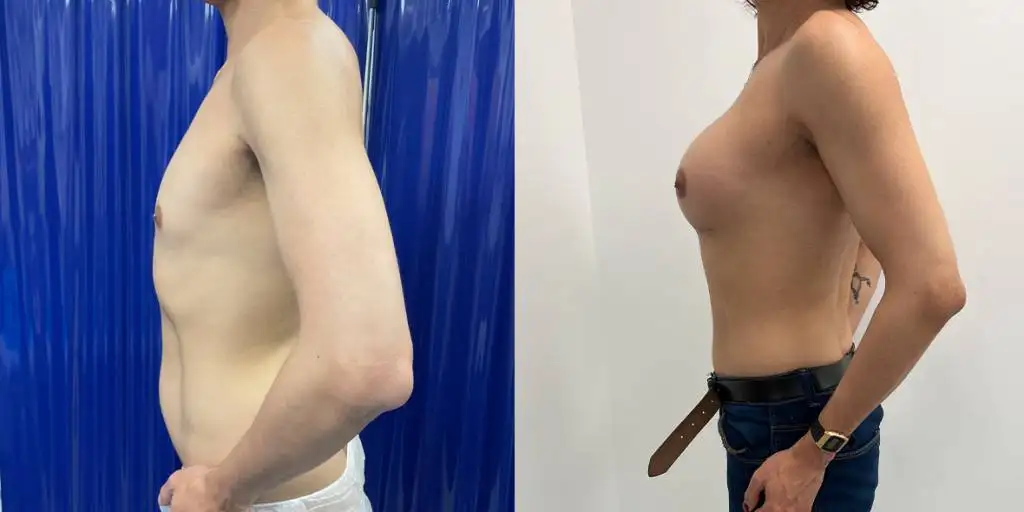
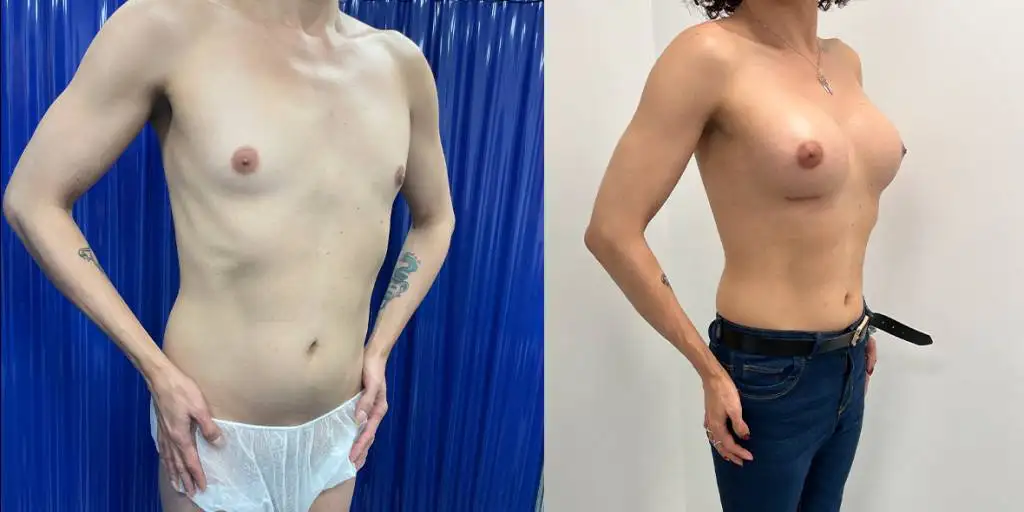
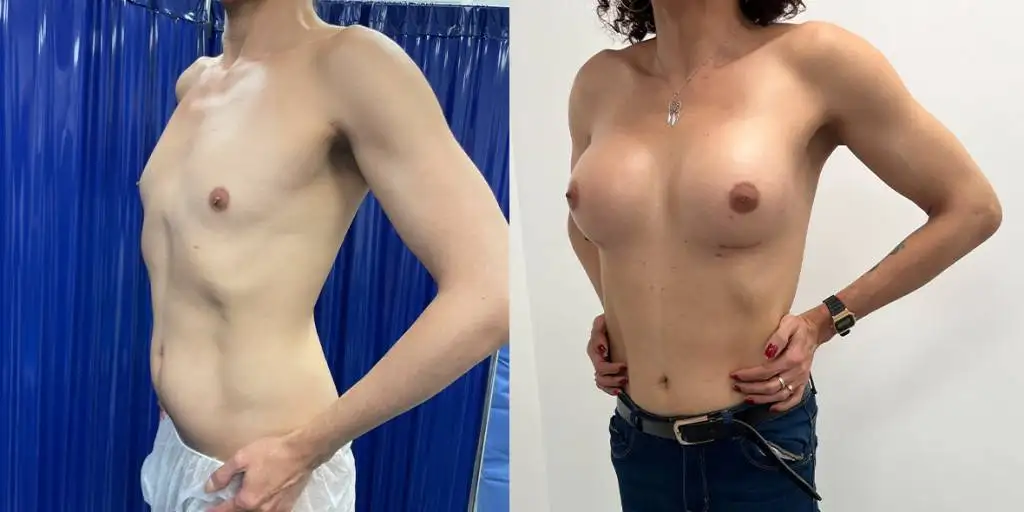
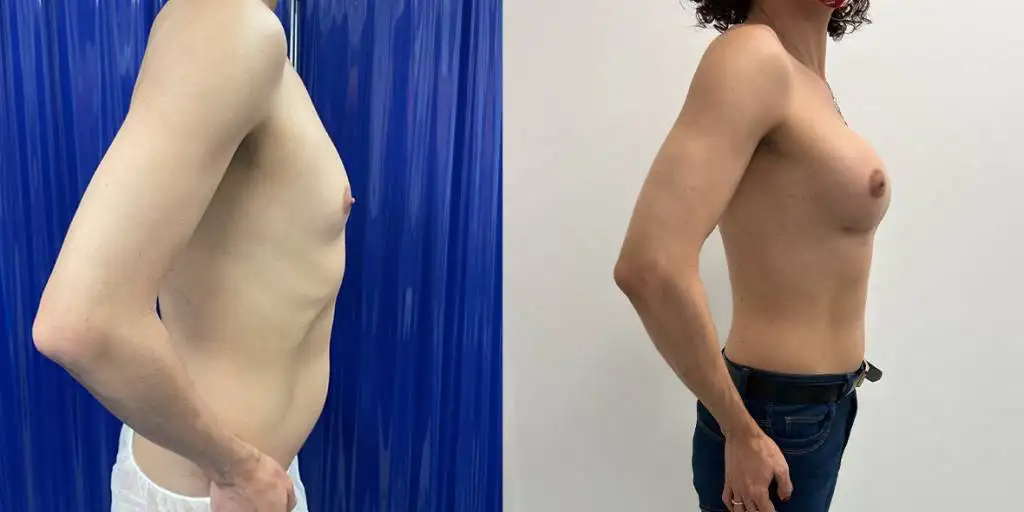
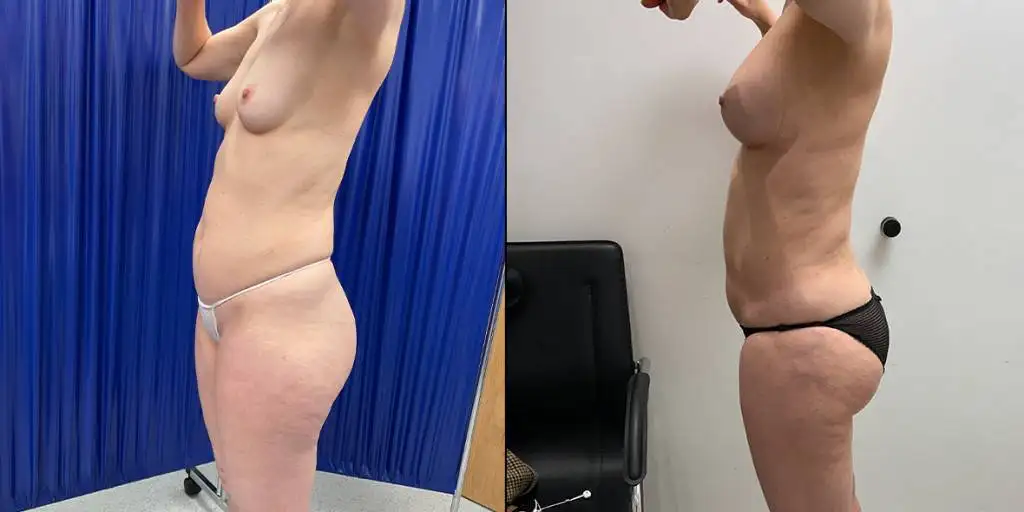
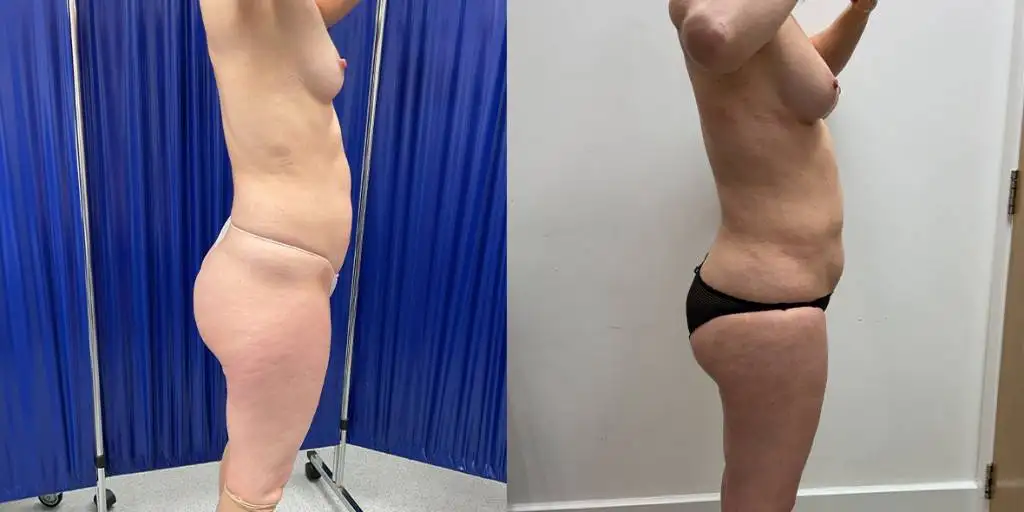
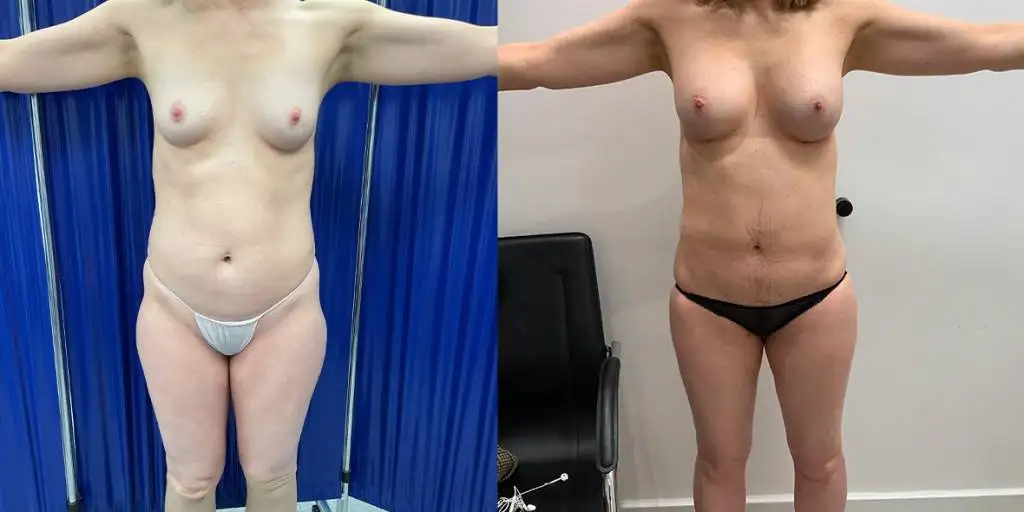
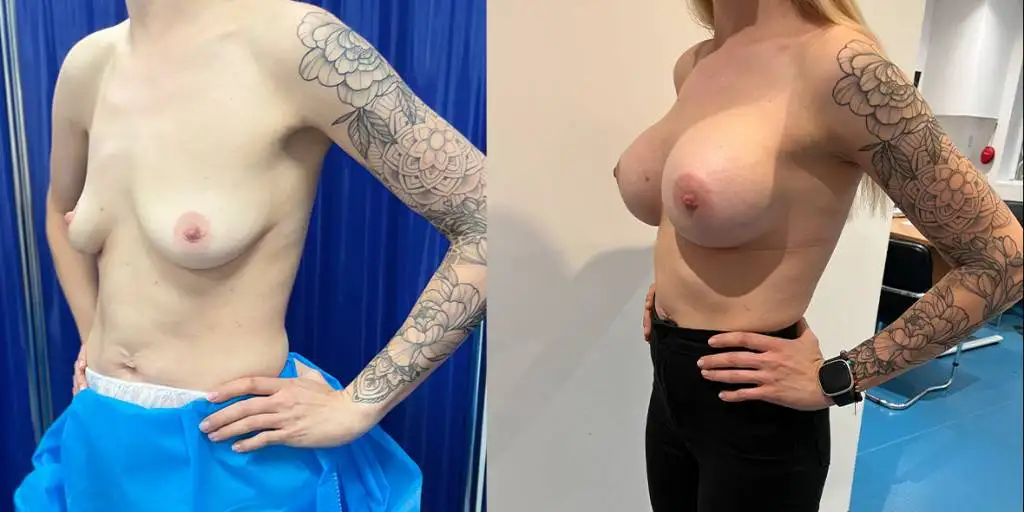
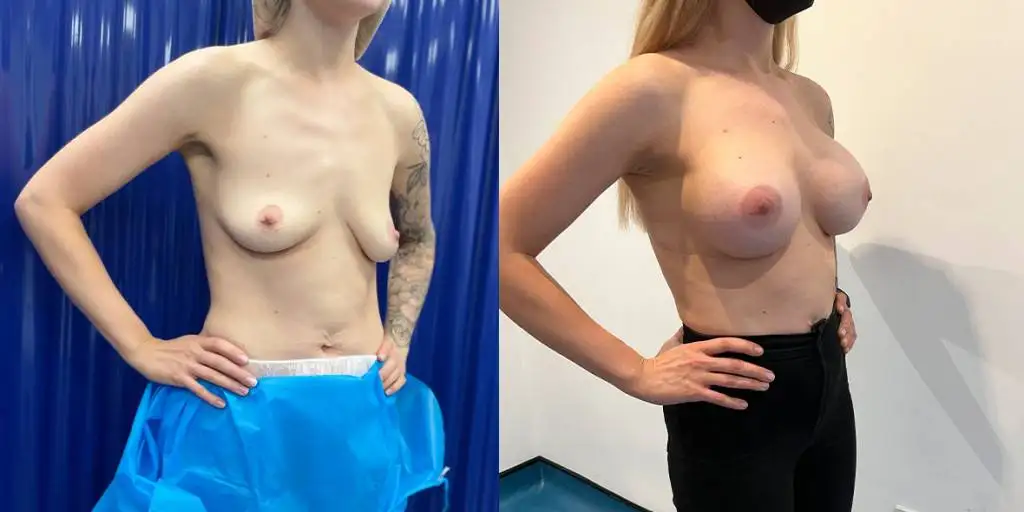
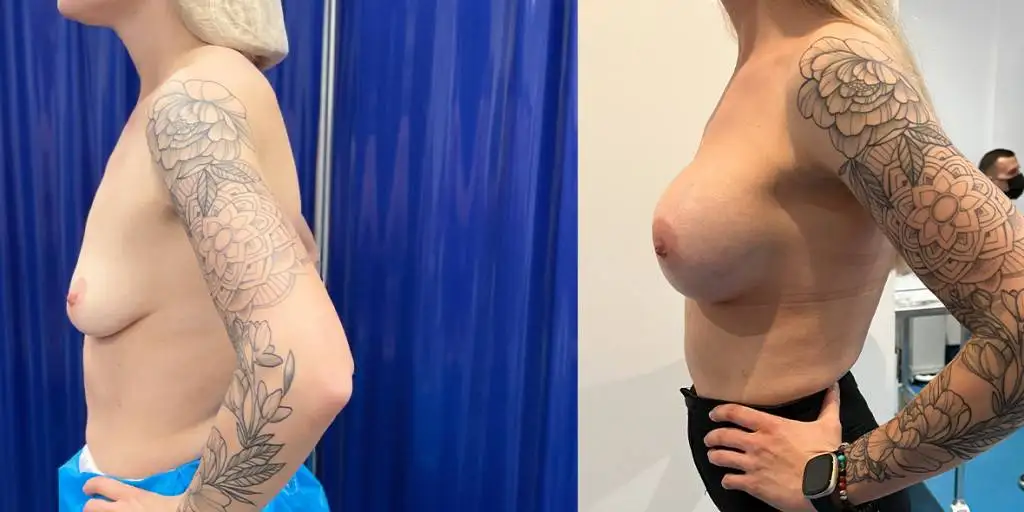
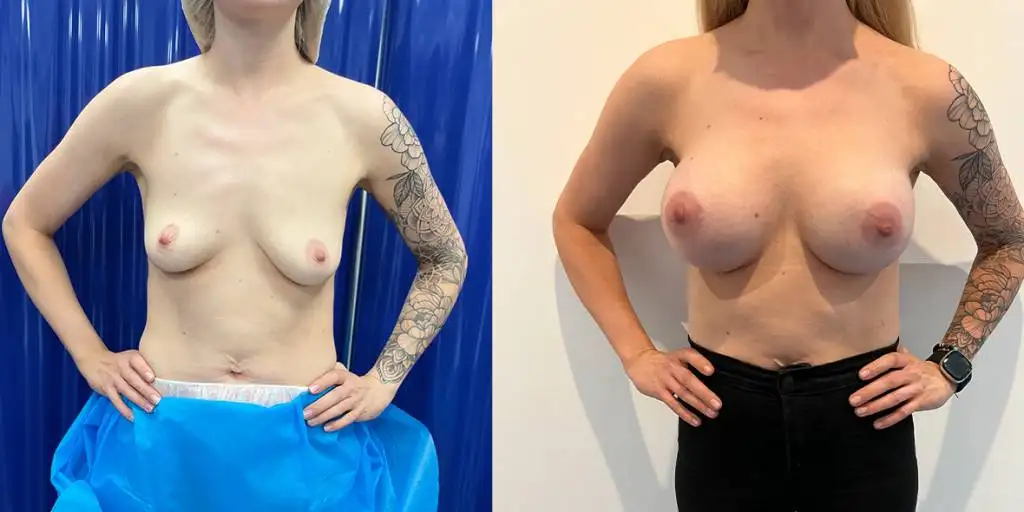
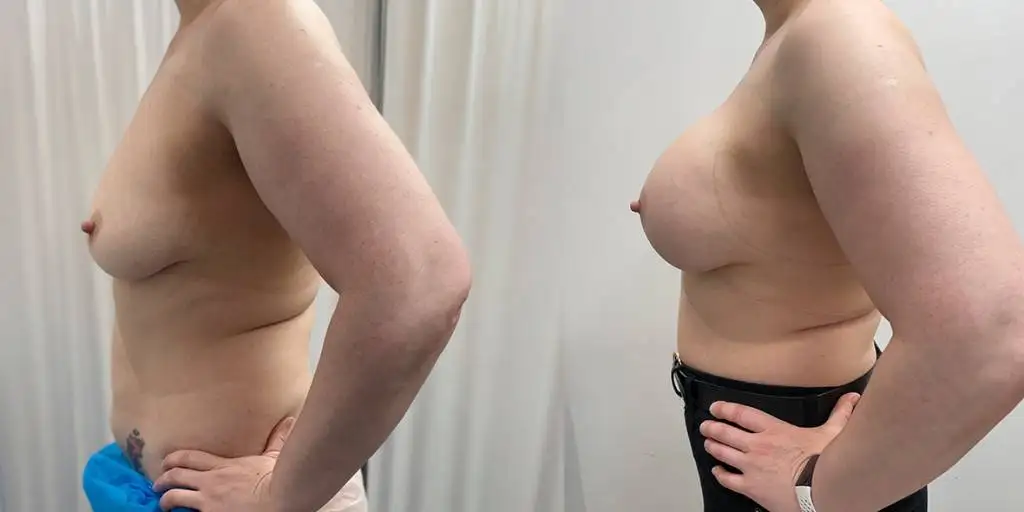
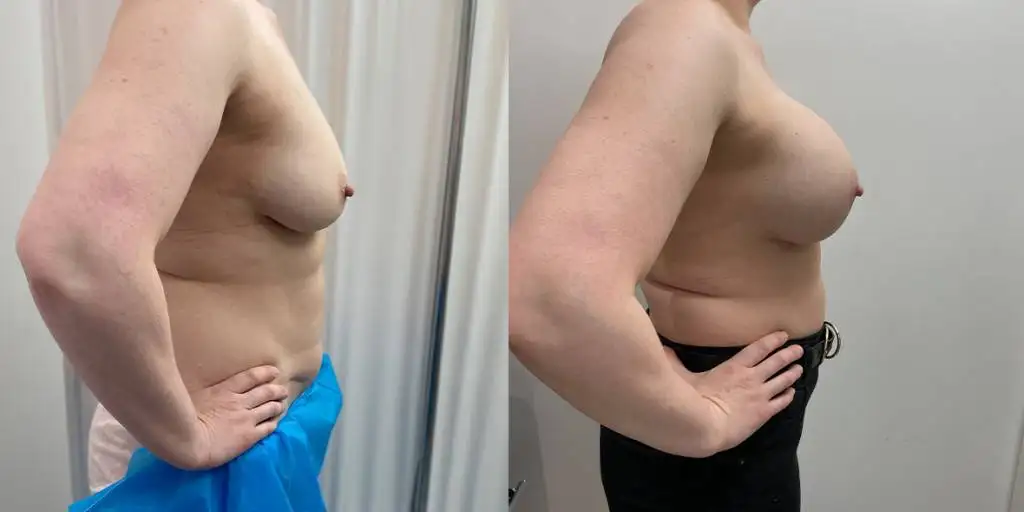
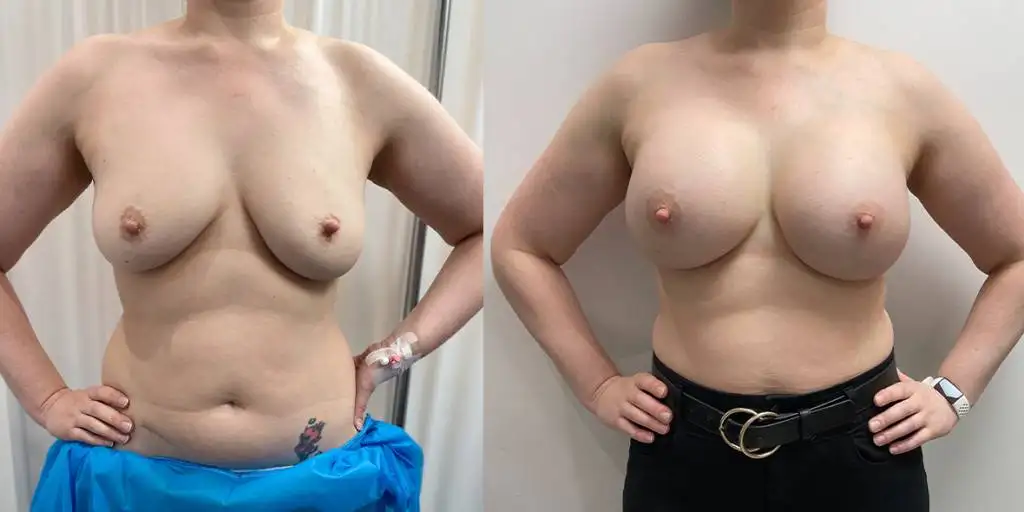
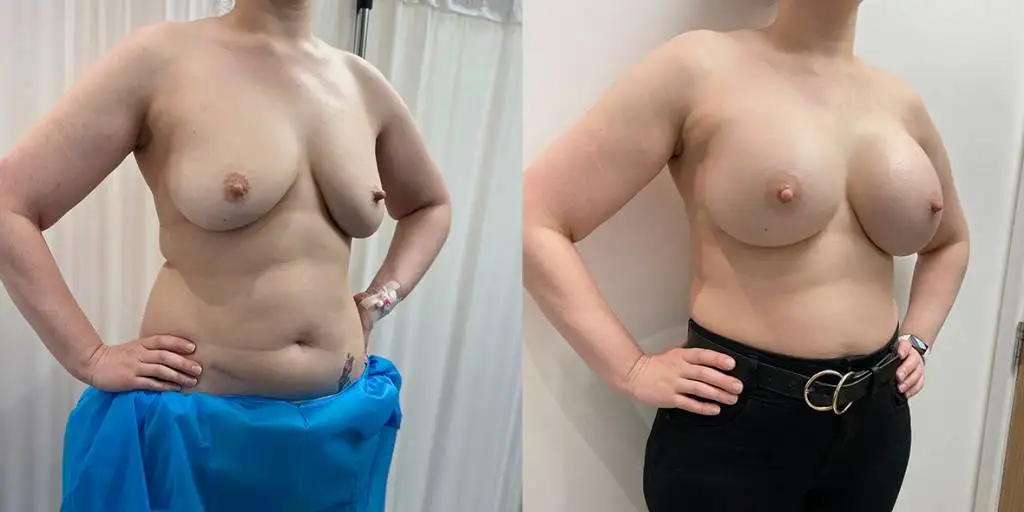
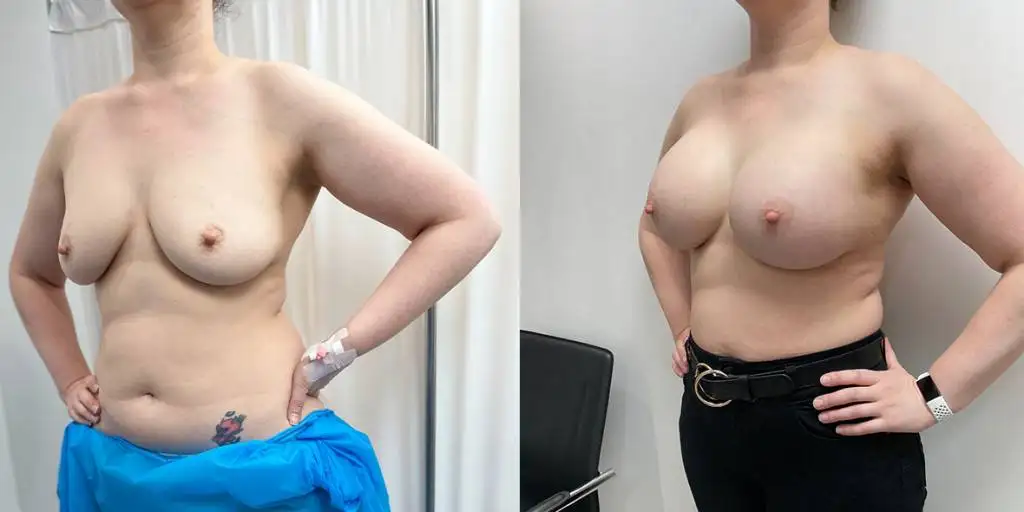
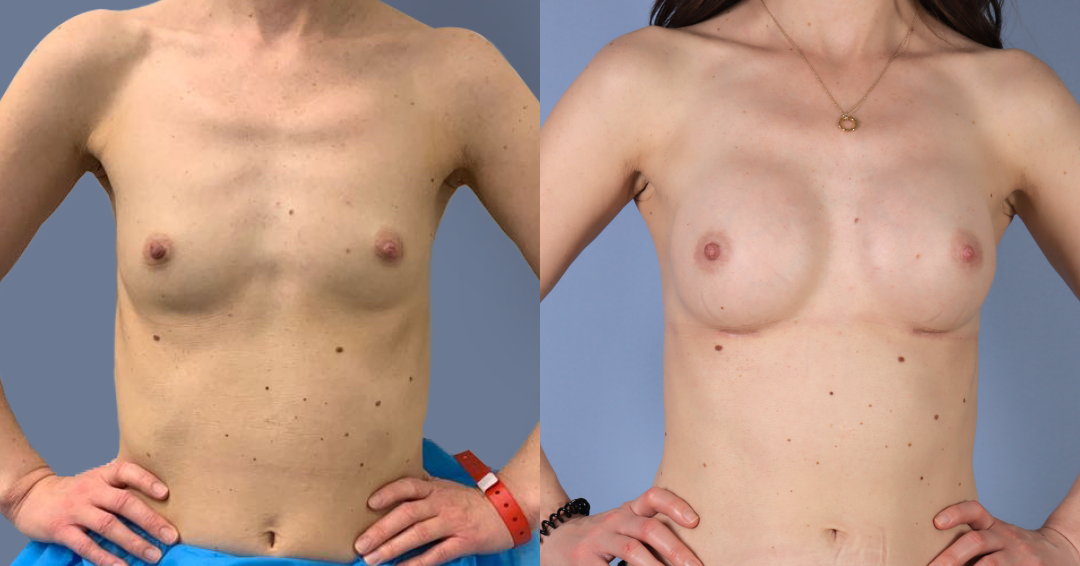
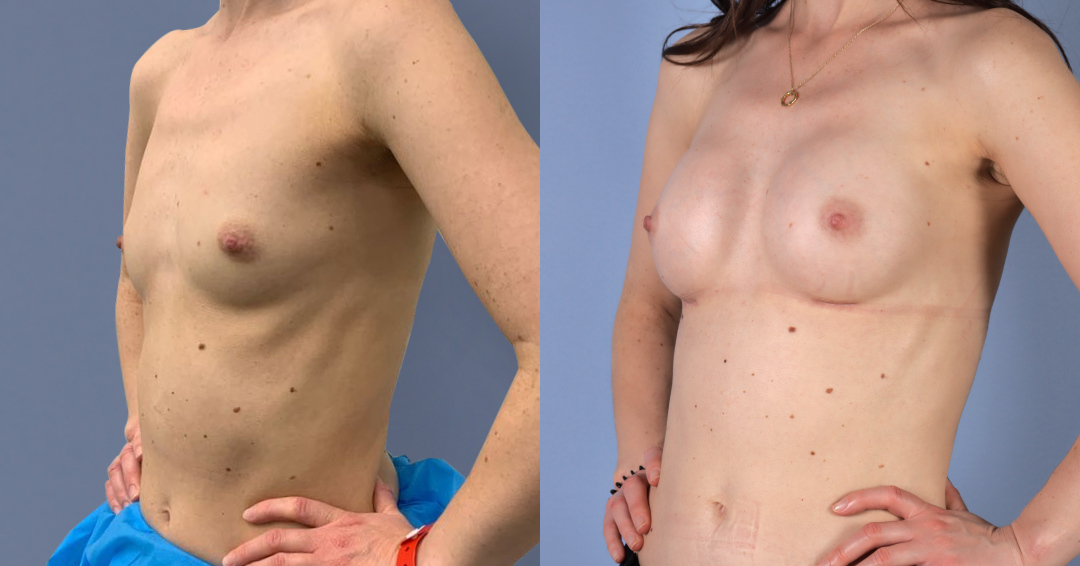
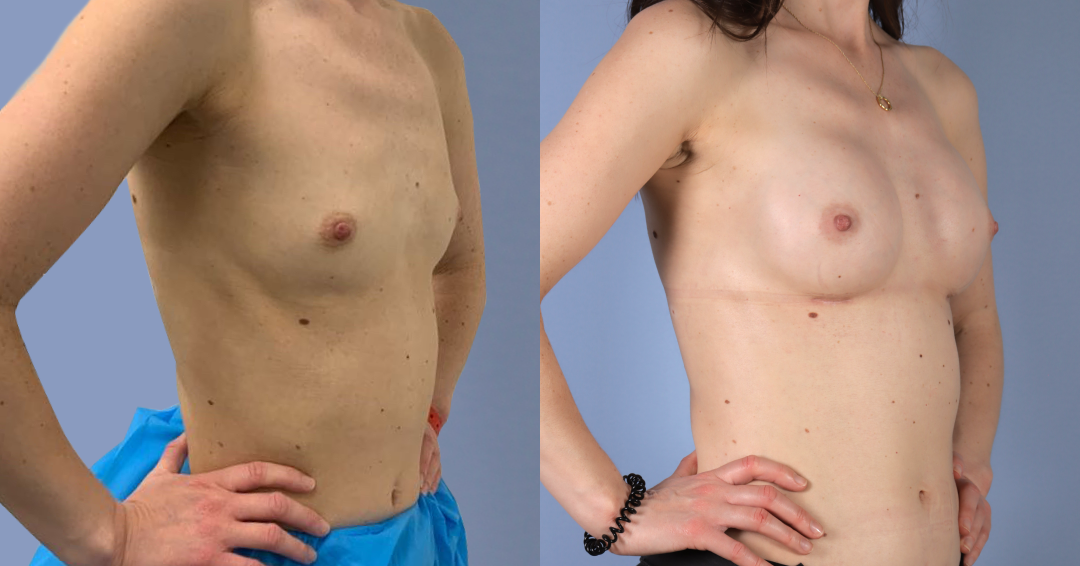
Before and After Results
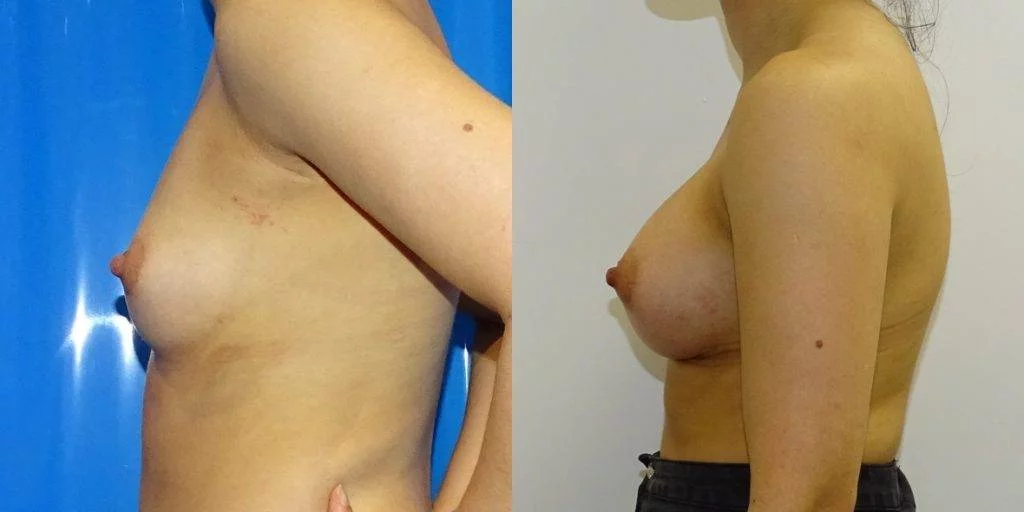
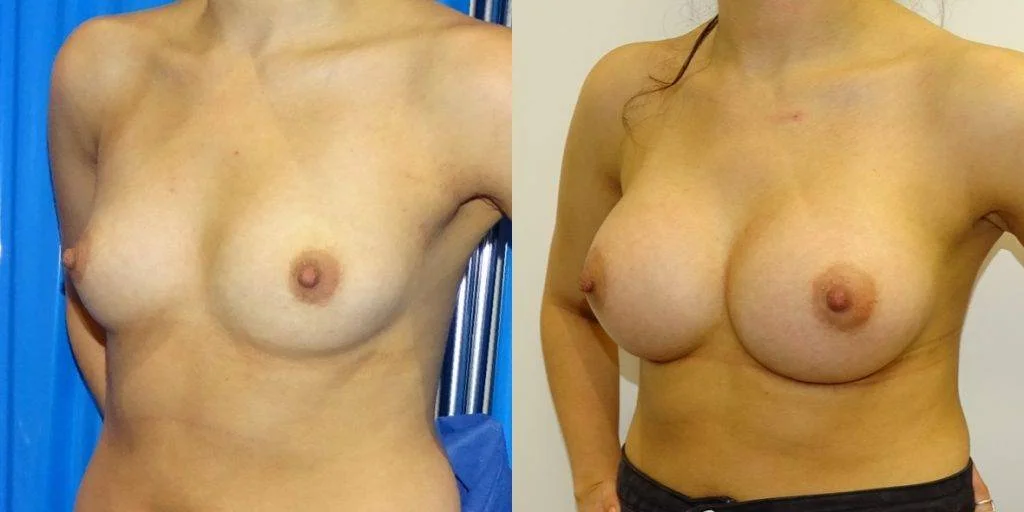
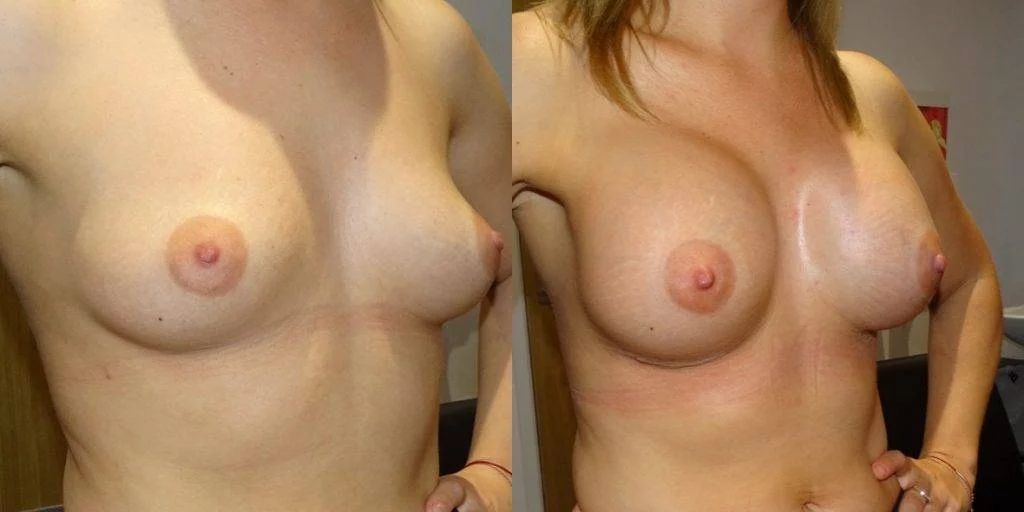
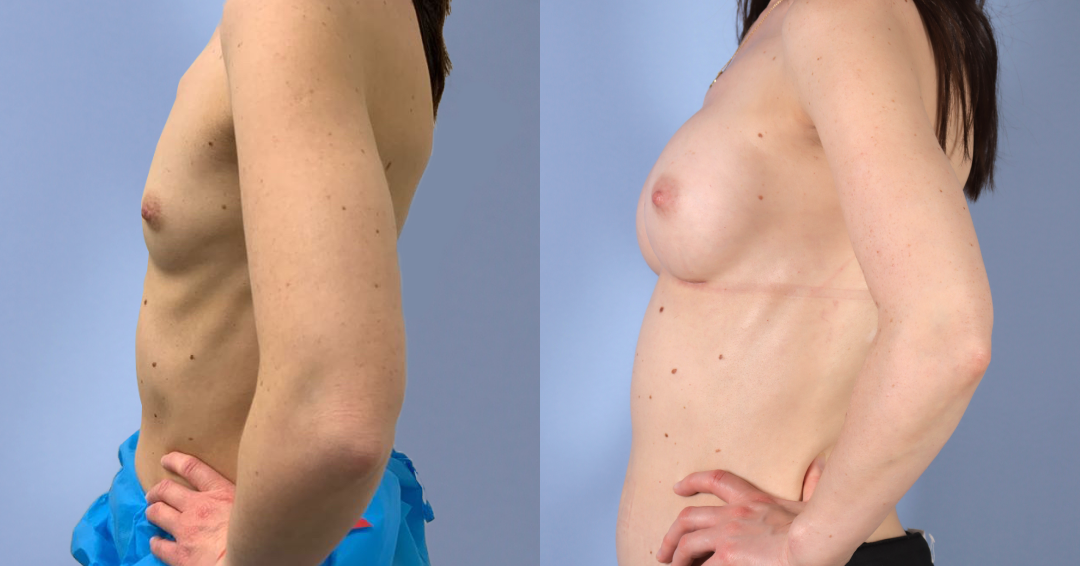
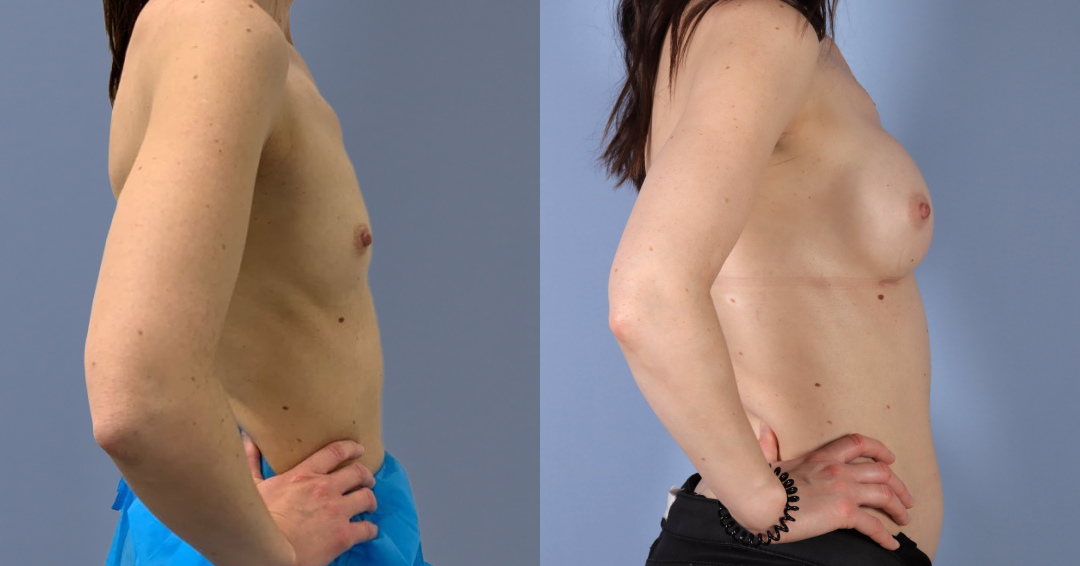
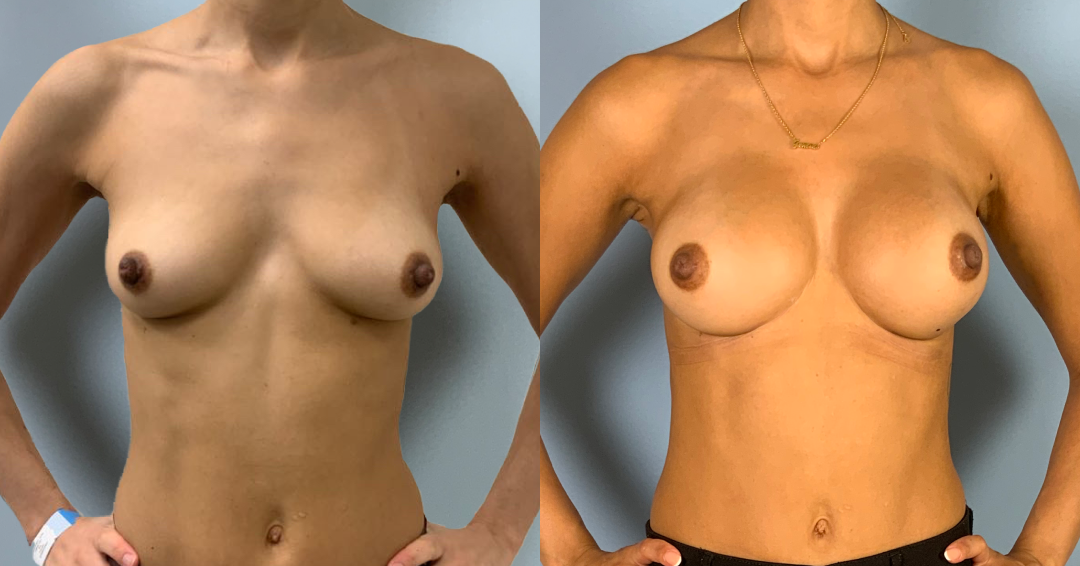
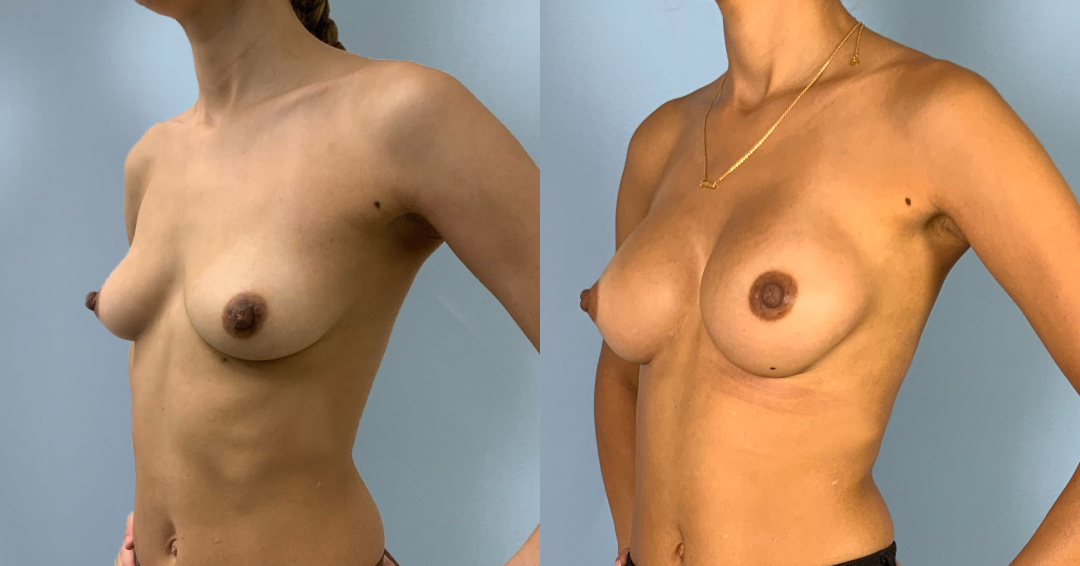
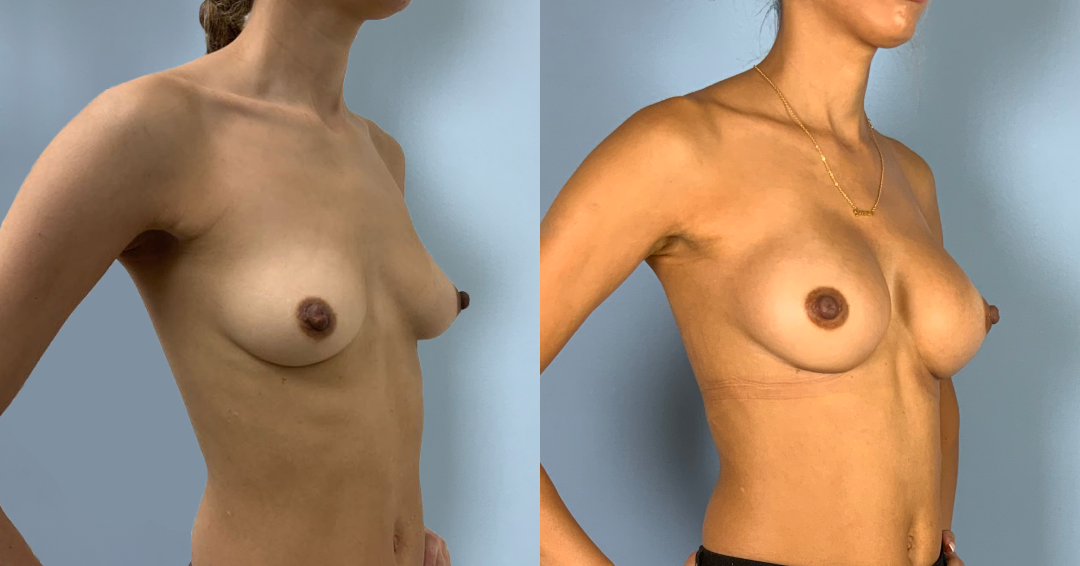
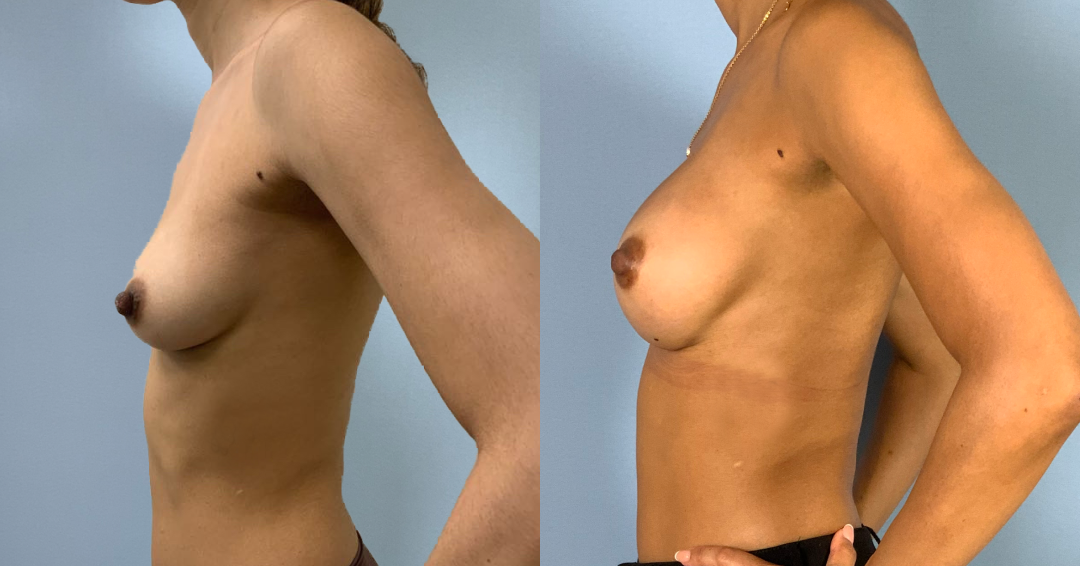
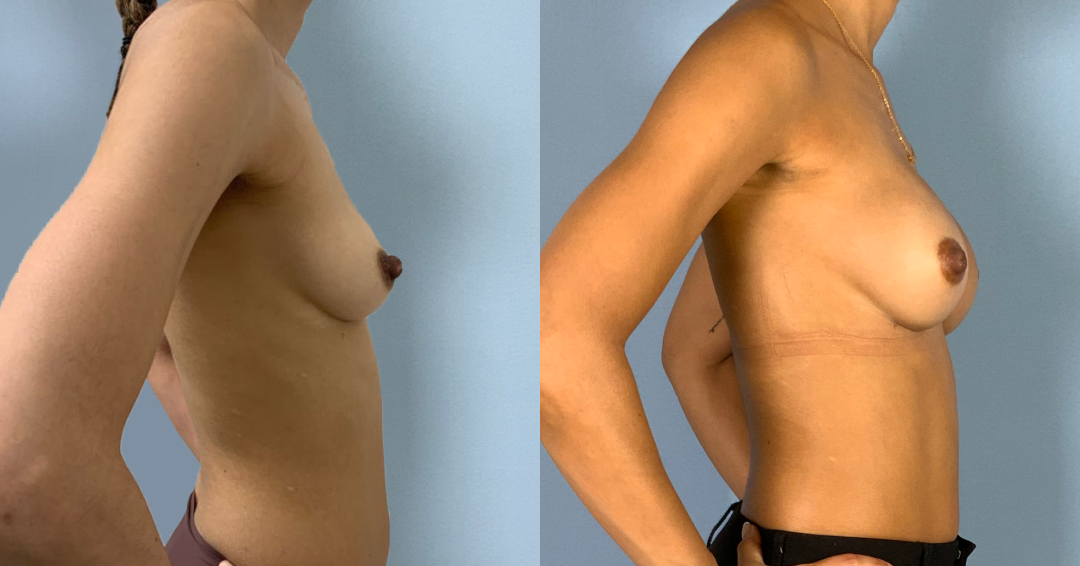
The images below are examples of real CREO Clinic patients who have undergone breast augmentation surgery. Results vary according to individual anatomy and healing, but the examples below aim to provide illustrations of potential outcomes.
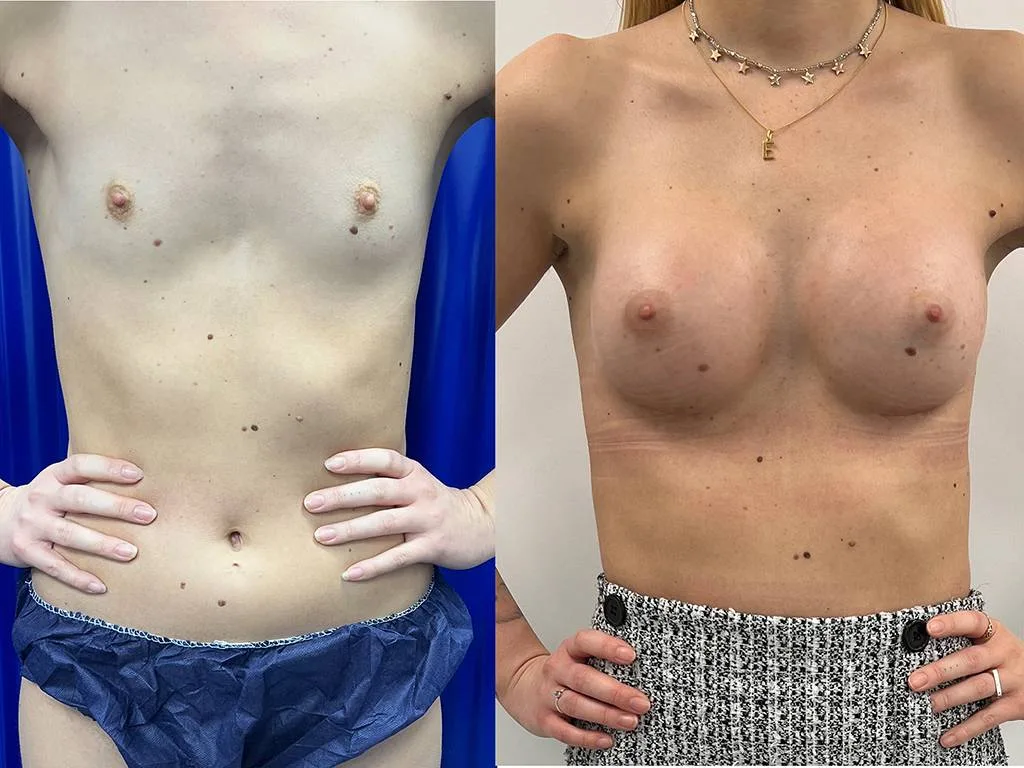
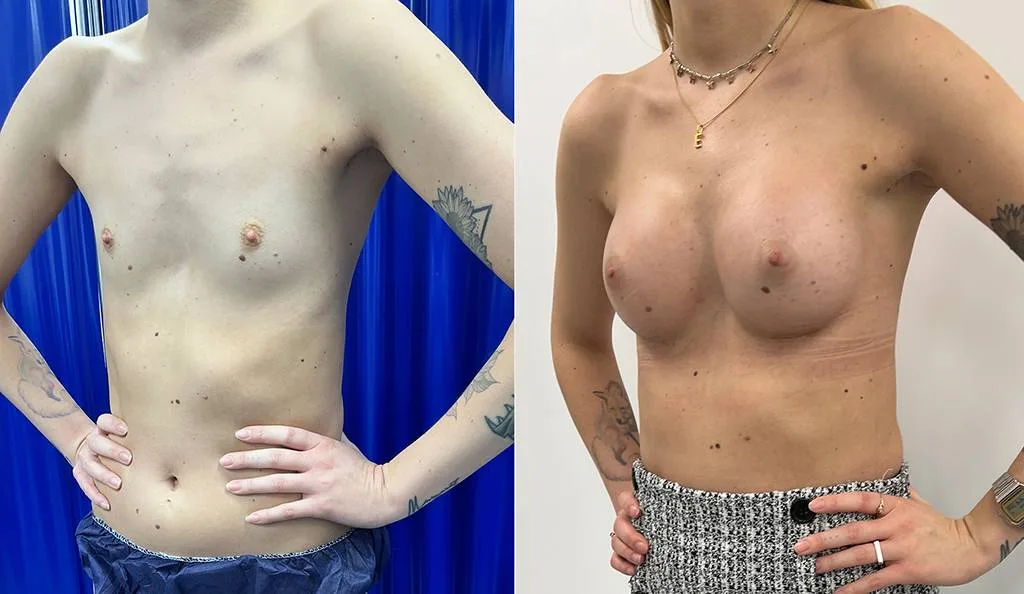
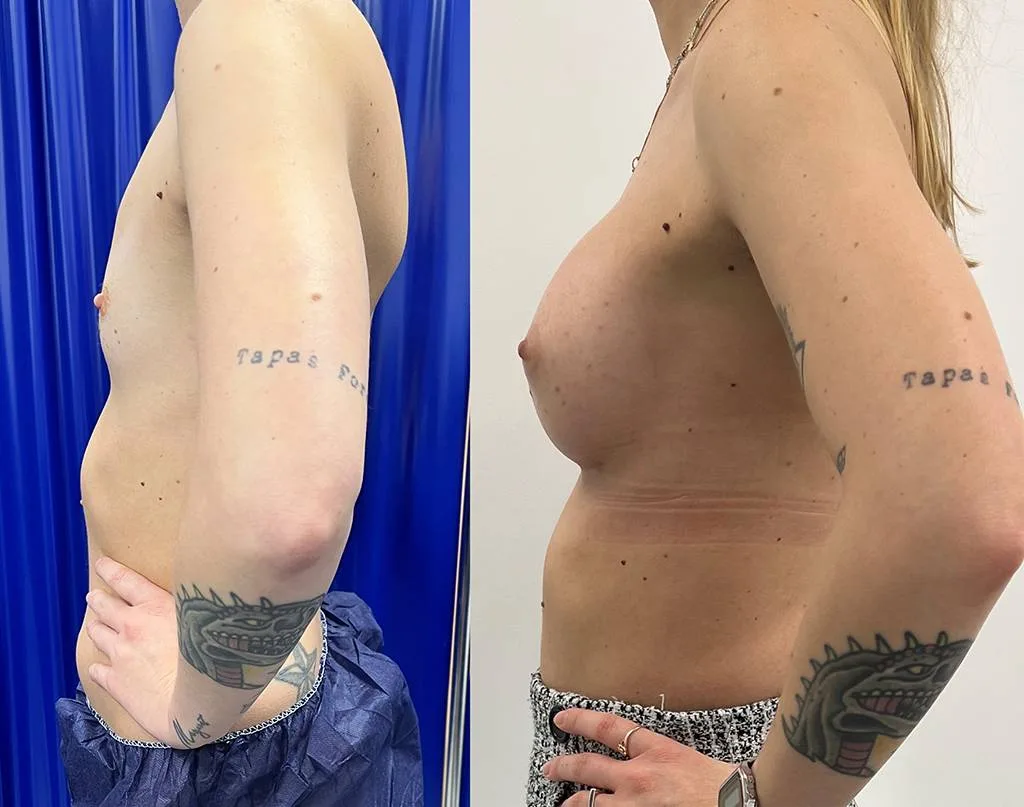
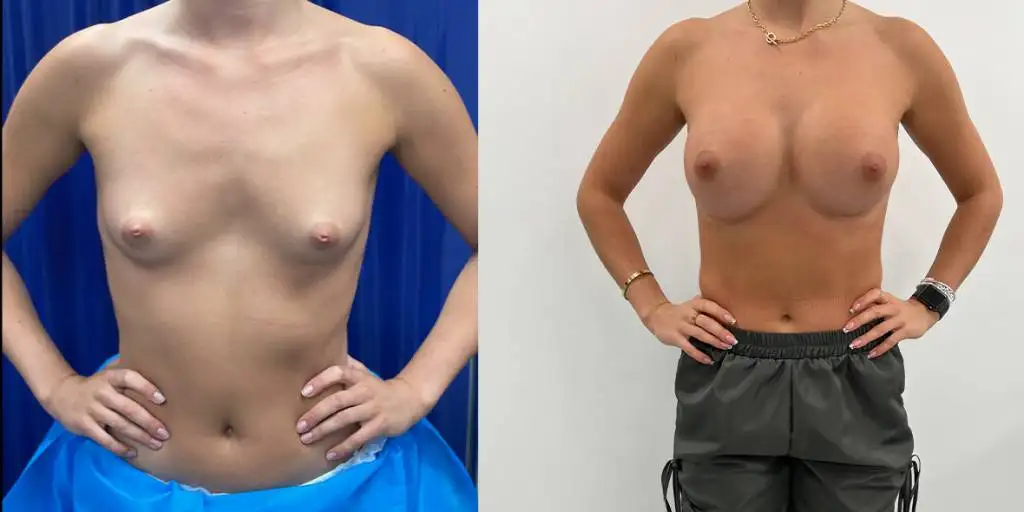
Benefits of Breast Augmentation
Breast augmentation can improve volume, shape, and proportion in the breasts, and may be a suitable surgical intervention for patients experiencing breast asymmetry or loss of fullness. The sections below outline some of the potential benefits of breast augmentation for appropriate candidates, although outcomes vary according to individual anatomy and treatment goals.
Restoring Volume and Shape
Fat transfer, breast implants, or a composite breast augmentation may help increase volume and projection, especially in the upper poles of the breasts. Where volume loss or changes in breast shape are present, these techniques may help restore fullness and improve overall breast contour.
Improving Proportion and Balance
Where asymmetry has developed in the breasts, breast augmentation may serve as a route to greater visual balance. Asymmetry can offset proportions in the chest, and the addition of implants or transferred fat can help create harmony between the breasts and may improve the overall proportions of the upper body.
Supporting Long-Term Body Confidence
For some patients, an augmentation can help improve their comfort when wearing clothes, which may contribute to long-term body confidence where genetic or acquired breast asymmetry, or loss of volume, has led to concerns about breast appearance.
The CREO APEX Recovery System
What to Expect: Before, During and After
Before Surgery
Stop nicotine consumption: All nicotine products, including cigarettes, vapes, and patches, should be stopped at least four weeks before surgery. Nicotine restricts blood flow and significantly raises the risk of wound breakdown, infection, and delayed healing
Maintain a stable weight: Where possible, keep your weight stable and your BMI at 30 or below in the weeks leading up to surgery, as changes in body composition can alter surgical planning and affect the final result
Stop oestrogen-based contraceptives or HRT: You will be asked to pause oral contraceptives or HRT for four weeks before surgery to reduce the risk of thrombosis. Please discuss this with your GP before making any changes
Limit alcohol intake: Reduce alcohol consumption in the two weeks before surgery, as this supports post-operative healing
Review your medications: Provide a full list of all medications and supplements you are taking, including blood thinners. Your surgeon will advise on anything that needs to be paused; do not stop prescribed medication without GP guidance
Arrange transport and support: You will not be able to drive home following surgery. A responsible adult should collect you and stay with you for the first 24 hours after discharge
Prepare your recovery environment: Set up a comfortable space at home before your surgery date. Plan for limited upper-body movement and lifting in the weeks that follow, and make any necessary arrangements for work, childcare, or other responsibilities
Day of Surgery
Initial Recovery
Those who have undergone implant surgery should wear a supportive surgical bra continuously for the first few weeks as directed. Manual lymphatic drainage massage (MLD) will also be performed as soon as is clinically appropriate.
Underwire bras should be avoided for at least three months, and sleeping on your back is recommended throughout the early recovery period. Patients who have had fat transfer augmentation will not require a surgical bra or MLD, as compression over the treated area can affect how the transferred fat establishes itself.
A return to desk-based work is typically possible within one to two weeks. Activities that load the chest, including strenuous exercise and heavy lifting, should be avoided for at least six weeks. Individual recovery timelines vary according to the technique used and the patient’s own healing.
Final Results
For fat transfer augmentation, fat should stabilise between three and six months after the surgery once any reabsorption is completed and swelling has subsided. The remaining fat should then be stable over the long term, although as fully integrated fat cells they can fluctuate with weight gain or loss. Maintaining a stable weight over the long term is the best way to help preserve fat transfer results.
Scarring from either surgery should continue to mature over the 12 to 18 months after the surgery, with support from laser scar treatment as part of the APEX aftercare system.
Risks, Limitations and Considerations
As with any surgery, breast augmentation carries certain risks. While the CREO surgical team maintains high clinical standards and operates only in CQC-registered surgical environments, some risk remains. Below we outline some of the potential risks, which will be explained in detail during the initial consultation.
Surgical Risks and Complications
Some potential risks and complications include:
- Capsular contracture (hardening and tightening of scar tissue around the implant)
- Implant displacement or rotation
- Changes to nipple or breast sensation
- Asymmetry in final results
- Infection
- Haematoma or seroma formation
- Wound breakdown or delayed healing
- DVT/VTE
- Adverse reaction to anaesthesia
- Implant rupture or deflation
For fat transfer specifically:
- Variable fat retention
- Fat necrosis (small areas of hardened tissue)
Scarring, Implant Longevity, and Revision
Some scarring is inevitable following breast augmentation. Incision placement is planned to minimise visibility, and common sites include the inframammary fold, the periareolar border, and the axilla. Scars mature over 12 to 18 months, and laser scar management is included as part of the APEX aftercare programme.
Breast implants are not lifetime devices. While there is no standard replacement schedule for modern implants, patients should be aware that revision surgery, including implant replacement or removal, may be required at some point in the future. CREO’s breast implant removal service is available to patients who wish to explant, replace, or revise their implants.
Setting Realistic Expectations
Breast augmentation can improve volume, proportion, and symmetry, but it cannot guarantee a specific cup size, perfectly symmetrical results, or a permanently unchanged outcome. Results are influenced by individual anatomy, healing, weight changes, and the natural ageing process. The limitations of surgery and the realistic range of outcomes are discussed in full at consultation.
Breast Augmentation Cost in London
The cost of breast augmentation at the CREO Clinic varies according to the surgical approach used and the complexity of the individual case. A personalised, all-inclusive quote is provided following consultation once the most appropriate surgical plan has been established.
Pricing Overview
As a guide, procedures are priced from:
| Procedure | Starting price |
| Breast augmentation with silicone implants | £7350 (+£1000 for custom-made implants) |
| Fat transfer breast augmentation | £8,500 |
| Composite breast augmentation (implants and fat transfer) | £9,900 (+£1000 for custom-made implants) |
All prices include:
- Surgeon, anaesthetist, and nursing fees
- Use of CQC-registered facilities
- Silicone implants where applicable
- Pre-operative assessments
- Follow-up consultations
- Manual lymphatic drainage massage (not applicable for fat transfer) and laser scar management treatments as part of the APEX aftercare programme
- The CREO recovery kit (Bio-oil for scarring, Hibiscrub, immune-supportive vitamins, absorbent pads, and silicone tape)
What Affects the Cost of Surgery
The primary cost variables are:
- Surgical approach: Fat transfer and composite procedures involve liposuction in addition to breast surgery, which affects procedure duration and cost. The number of liposuction areas required for fat transfer may also influence the final price
- Procedure duration: Longer or more complex procedures increase facility, anaesthesia, and surgeon fees proportionally
- Implant selection: Implant type and size may affect the cost of the implants themselves within the overall surgical fee
Finance Options
For suitable candidates, financing options may be available through CREO Clinic’s external finance partner, Chrysalis Finance, including interest-free loans over a 12-month period, with longer-term plans available at increased rates of interest.
Any financing arrangements are discussed separately following consultation and are subject to approval and eligibility criteria.
Why Choose CREO Clinic
At the CREO Clinic, we provide consultation-led planning and decision-making with specialist care from surgeons who are experienced in the procedures they perform. We prioritise continuity of care through our APEX aftercare system, working to maintain consistent clinical standards from the initial preparations for surgery through to the end of recovery.
Specialist-Led Surgical Expertise
Breast augmentation with silicone implants at the CREO Clinic is performed exclusively by Dr Omar Tillo, a GMC-registered plastic surgeon with extensive experience in body contouring procedures from the neck down. Fat transfer breast augmentation procedures are also performed by Dr Dan Del Vecchio, an internationally recognised specialist with extensive experience in fat transfer surgery.
Surgeon-Led Planning and Decision Making
All surgical plans at the CREO Clinic follow a one-to-one clinical consultation with a thorough assessment of the patient’s anatomy, tissue quality, and personal treatment goals. All decision-making is made by surgeons based on this clinical assessment, with the single aim of choosing an approach that is in the best clinical and cosmetic interests of the patient.
Integrated Aftercare and Long-Term Support
The CREO Clinic designed its APEX aftercare system to provide structured support for patients that goes beyond their surgery and helps to optimise long-term outcomes. Patients are monitored and reviewed during their recovery to help ensure their healing progresses well, and any post-operative issues that may arise can be assessed and addressed appropriately.