






A breast lift surgery, sometimes known as mastopexy, is a procedure that works to reshape and elevate the breasts by removing sections of excess skin and repositioning the nipple areola complex. A breast lift does not alter the volume of the breasts, but aims to enhance their shape and position on the chest.
This procedure may be suitable for women experiencing breast drooping or sagging (ptosis), as confirmed via one-to-one consultation with a surgeon.
All breast lift surgery at the CREO Clinic is performed by Dr Omar Tillo, our medical director and GMC-Registered specialist Plastic Surgeon. He is a Fellow of the Royal College of Surgeons (FRCS) and a member of the British Association of Aesthetic Plastic Surgeons (BAAPS), where he teaches other members techniques within his specialism of body contouring from the neck down.
Surgery at a Glance
Treatments
1Results
6-12 weeksAnesthesia
General AnaesthesiaSurgery Time
2-3 HoursHospital Time
6 HoursMobility
ImmediatelyWashing
2 daysOff-Work
10 daysExercise
6 weeksFull Recovery
6 weeksWhy This Procedure Matters
Patients may consider a breast lift surgery after changes to the position or shape of the breasts have occurred, or when breast skin quality has deteriorated. These changes may lead to physical issues, such as skin rashes or fungal infections, and can often be the result of pregnancy or weight loss. Breast lift surgery can provide targeted enhancements that help address shape/skin changes and associated symptoms directly.
Post-Pregnancy Changes
The effects of pregnancy and breastfeeding can make structural changes to the breasts that, in many cases, cannot be reversed through non-surgical means. During pregnancy, the breasts increase in size as glandular tissue expands, stretching the skin to a degree that can reduce elasticity and create excess lax skin. Ligaments may weaken due to the increased weight, and nipple position may drop in relation to the inframammary fold.
The overall effect can be breast sagging, sometimes known as ptosis, as the upper poles of the breasts lose fullness and the breasts begin to descend.
By excising specific sections of breast skin, a lift can help address postpartum breast changes, elevating nipple position and tightening up concerning areas of laxity.
Post-Weight Loss Changes
A common outcome of weight loss is a reduction of fat and glandular tissue in the breasts without a proportionate shrinking of the skin envelope to accompany it. This may be particularly prevalent in patients who have undergone rapid weight loss or previously had large-volume breasts, and can lead to excess lax skin and a loss of projection.
Mastopexy can be considered to address such issues, especially in cases where they are causing physical symptoms such as skin irritation, rashes or bra strap discomfort.
Shape, Position & Proportion
Alterations to shape due to weight loss, pregnancy, or the natural process of ageing can lower nipple position and lead to ptosis. Ptosis is typically classified as either minor, moderate, or severe according to the position of the nipple in relation to the inframammary fold. The lower the nipple has descended, the more likely a patient is to experience sagging and its associated symptoms. A breast lift is designed to both reposition the nipple and help elevate the breast position overall.
How a Breast Lift Works
The surgical approach used in breast lift surgery depends on the degree of ptosis, the elasticity and quality of the breast skin, breast tissue volume, and the patient’s treatment goals. The technique selected varies between patients and is determined by Dr Tillo following a thorough clinical assessment and consultation. Below, we explore the breast lift process from start to finish and explain how the procedure is planned and performed.
What Happens During Surgery
In the preoperative stage, Dr Tillo makes markings on the breasts to identify the areas of skin planned for excision. Once anaesthetic has been administered, excess skin is removed, and the breast tissue is reshaped on the chest wall. The nipple-areola complex (NAC) is repositioned and, where clinically appropriate, the areola may also be reduced in size. Incision placement and tissue handling are carefully planned to support preservation of the blood and nerve supply to the nipple.
The incisions are closed using specialised surgical sutures selected according to the requirements of the procedure and the patient. Unlike a breast reduction, a breast lift does not involve the intentional removal of breast volume through excision of fat or glandular tissue. A small reduction in breast weight may occur as a result of the skin removed during the procedure.
Anaesthetic & Surgical Time
A breast lift is typically performed under general anaesthetic and usually lasts between two and four hours, although procedure times may vary depending on the surgical technique used and the complexity of the case. The procedure is typically performed as a day case, but overnight stays may be recommended where clinically appropriate following assessment by the surgeon.
Mastopexy Techniques Explained
There are four main techniques used in a mastopexy surgery, with the most appropriate approach selected according to a range of clinical factors identified during consultation and assessment. The procedures are outlined in the table below.
| Technique | Incision | Best for | Scarring |
| Crescent | Crescent-shaped excision above the areola only | Very mild ptosis; minimal elevation needed | Minimal; above the areola |
| Periareolar (donut / Benelli) | Around the circumference of the areola only | Mild ptosis; mild correction; nipple repositioning up to approximately 2cm | Circular scar at the areola border; blends with the natural colour transition |
| Vertical (lollipop) | Around the areola and a vertical line to the breast crease | Moderate ptosis; moderate correction | Periareolar scar and a vertical line |
| Anchor (inverted-T / Wise pattern) | Around the areola, a vertical line, and a horizontal cut along the inframammary fold | Severe ptosis; maximum lift and skin removal; fatty parenchyma or poor skin quality | Periareolar, vertical, and horizontal crease scar; most extensive |
How the Surgical Approach Is Decided
The techniques used in breast lift surgery are based on multiple clinical factors assessed during the initial consultation. These include the degree of breast drooping (ptosis), the quality and elasticity of the breast skin, breast volume, and the composition of the underlying tissue.
A vital part of the assessment is evaluating the position of the nipple in relation to the inframammary fold. This helps Dr Tillo grade the severity of ptosis and consider which surgical technique is most suitable based on the patient’s anatomy and treatment goals. The final surgical plan is determined following a thorough clinical assessment, ensuring the approach is tailored to the individual rather than following a standardised treatment pathway.
Surgical Environment & Stay
All breast lift procedures at the CREO Clinic are performed in CQC-registered facilities under general anaesthetic. We work with established London hospital facilities that provide regulated surgical environments for both the procedure itself and the initial recovery period.
Patient Feedback & Outcomes
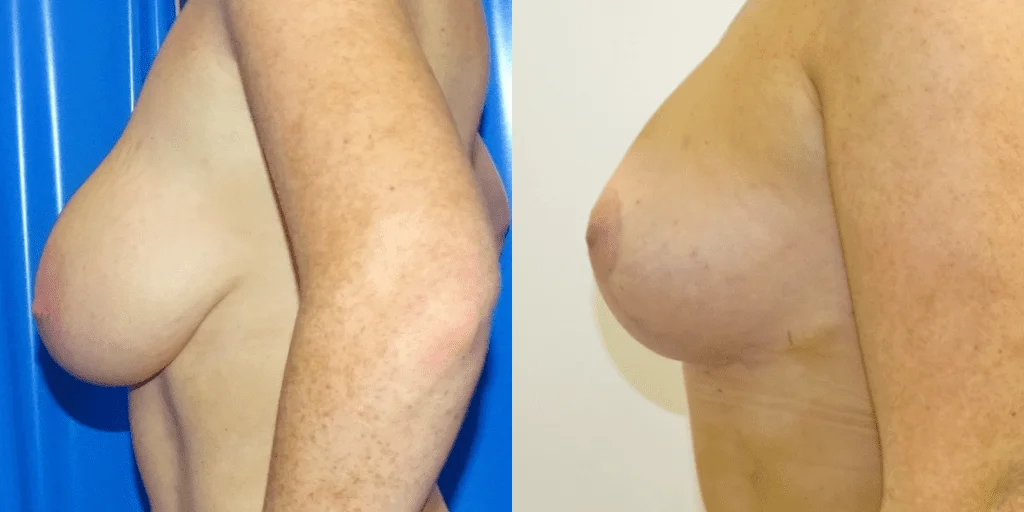
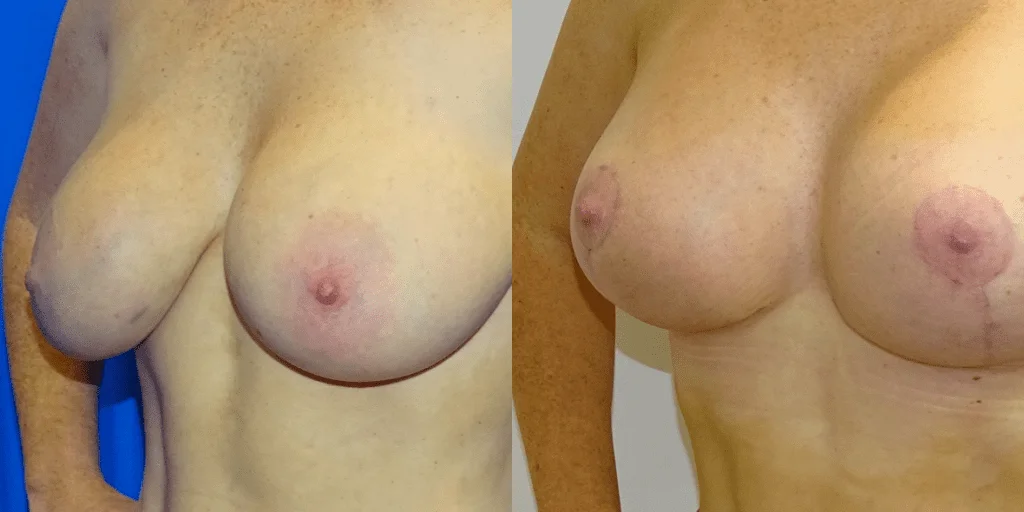
Is a Breast Lift Right for You?
Judging suitability for a breast lift depends on the outcomes of your initial assessment with Dr Tillo. Only a surgeon can make this key clinical decision, but the criteria below offer an indication of the considerations made during consultation.
Who It’s For
– Have experienced breast ptosis as a result of pregnancy, breastfeeding, significant weight loss, or the natural ageing process
– Are at a stable, healthy weight and have maintained it for at least six months
– Have a BMI of 30 or below (check using our BMI calculator)
– Are not planning further pregnancies, as subsequent pregnancies may alter results
– Have realistic expectations of what mastopexy can achieve, including an understanding of scarring
– Are in good general physical and psychological health
– Are 18 years old or above
Physical or Functional Considerations
When It May Not Be Appropriate
– Have a BMI above 30
– Are currently pregnant or breastfeeding
– Are planning future pregnancies, as this may significantly affect long-term results
– Are active smokers or use nicotine products and are unable to abstain for at least four weeks before and after surgery
– Are primarily seeking volume rather than improved position; mastopexy does not add volume, and implants or fat transfer may be more appropriate where volume is the main concern
– Have significant weight fluctuations or are actively losing weight
– Have underlying health conditions that increase surgical risk
– Do not have realistic expectations regarding scarring or the longevity of results
Breast Uplift vs Implants: Key Considerations
A breast uplift and breast augmentation via implants are distinct procedures with distinct goals.
For patients who want enhancements to position and additional volume, a combined lift/augmentation may be more appropriate. A breast lift alone aims to improve position rather than volume, and works to counteract the effects of ptosis. Increasing volume alone cannot help reposition the breasts in the same way as a lift.
A method for judging if a patient requires an augmentation is if the nipple is above, level with, or below the inframammary fold. Patients with nipples above the inframammary fold (i.e. not experiencing sagging) who wish to augment the volume of their breasts may be better suited to implants or augmentation via fat transfer.
Breast Uplift Variations & Alternatives
Planning treatment for breast ptosis may involve considering both variations of breast lift surgery and alternative procedures. Depending on the severity of drooping, breast volume, anatomical factors, and the patient’s treatment goals, a combined or alternative approach may be clinically appropriate. These options are assessed during consultation to determine the most suitable treatment plan for the individual patient.
Breast Uplift with Implants
Combining breast implants with a breast uplift may be suitable for patients seeking improvements in both breast position and volume. The lift addresses nipple position and excess skin, while implants are used to increase breast volume and enhance fullness.
This combined approach is generally more complex than either procedure performed in isolation, and is only recommended where it is considered clinically appropriate following consultation and assessment. Factors such as skin quality, tissue characteristics, surgical goals, and overall procedural complexity may influence whether a combined procedure is advisable. In some cases it may be more appropriate to perform these procedures in stages.
Breast Reduction vs Lift
While a breast lift aims to elevate drooping breasts by removing skin and reshaping the breast, a breast reduction reduces breast volume through the removal of glandular tissue, fat, and skin. Where excess breast volume contributes to physical symptoms, skin stretching, or breast drooping, a breast reduction procedure may be more appropriate than a lift alone.
During the initial consultation, Dr Tillo will assess factors such as back pain, shoulder grooving, skin irritation, breast size, and the degree of ptosis. If both excess volume and breast drooping are present, a combined breast reduction and lift may be considered where clinically appropriate.
When a Lift Alone May Not Be Enough
In some cases, combined procedures or alternative treatments may be considered where a breast lift surgery alone is unlikely to address all of a patient’s concerns. For example, patients with upper pole volume loss may experience improvements in breast position following a lift, but may require augmentation if increased fullness or projection is also a treatment goal. Similarly, patients whose nipples remain in a favourable position above the inframammary fold but who wish to increase breast volume may be better suited to breast augmentation using fat transfer or implants. The most appropriate approach is determined during consultation based on anatomy, clinical findings, and the patient’s treatment goals.
Benefits of Breast Lift Surgery
The following outline summarises some of the potential benefits of breast lift surgery for appropriately selected patients. Outcomes vary according to individual anatomy, tissue characteristics, healing, and treatment goals. The benefits achieved will depend on a range of factors discussed during consultation and surgical planning.
Improved Breast Position
A key benefit of breast lift surgery is improvement in breast position. In cases where the nipple has descended, the procedure may elevate the nipple-areola complex and reposition the breast tissue on the chest. For some patients, these changes may also help reduce issues associated with skin-on-skin contact beneath the breast, although functional improvements can vary between individuals.
Better Proportion & Symmetry
Some patients experience asymmetrical breast drooping, where one breast descends further than the other. Mastopexy may help address positional differences between the breasts and improve overall balance and proportion. While improvements in symmetry are often achievable, perfect symmetry cannot be guaranteed, as natural anatomical differences may remain.
Clothing Fit & Comfort
Drooping and uneven breast position can create challenges with clothing fit and, in some cases, contribute to physical discomfort. By improving breast position and proportion, breast lift surgery may make certain clothing and bras more comfortable to wear. Some patients may also experience improvements in symptoms such as skin irritation or bra strap discomfort, although outcomes vary between individuals.
The CREO APEX Recovery System
What to Expect: Before, During & After
At CREO, we aim to provide patients with a clear understanding of what to expect throughout their treatment journey. While every recovery is individual, the outline below describes the typical timeline associated with breast lift surgery, including preparation, day of surgery, and the recovery period.
Before Surgery
Stop nicotine consumption: Abstain from smoking, vaping, and all nicotine products for at least four weeks before surgery, as nicotine significantly increases the risk of wound breakdown, skin necrosis, and infection
Maintain a stable weight: Where possible, maintain a stable weight and a BMI of 30 or below in the weeks before surgery, as weight changes can affect both surgical planning and the quality of your results
Take APEX supplements: The CREO Clinic’s APEX recovery protocol provides supplements of key vitamins to be taken in the lead-up to surgery. All patients need to take these to bolster the body’s resources ahead of the procedure
Limit alcohol intake: Reduce alcohol consumption in the two weeks before surgery, particularly binge drinking, to support post-surgical healing
Stop oestrogen-based contraceptives or HRT: In the four weeks before surgery, you will be advised to pause oral contraceptive pills or HRT medication to help reduce the risk of thrombosis. Discuss this with your GP before stopping
Review your medications: Inform Dr Tillo of all medications and supplements you are taking, including blood thinners. Some may need to be paused before surgery; do not stop any prescribed medication without first consulting your GP
Prepare your home for recovery: Arrange childcare and pet care for the initial stages of your downtime, and set up a comfortable recovery space in advance. Avoid planning strenuous activity or lifting in the weeks following surgery
Day of Surgery
The surgery itself lasts between two and four hours, depending on its complexity. After the surgery, you will spend a period of time in a specially designed recovery room while the effects of the anaesthetic wear off. Most breast lift patients are discharged the same day, but careful monitoring in the initial recovery stages will determine if an overnight stay is necessary.
Early Recovery Period
A supportive surgical bra must be worn as directed by Dr Tillo during the initial recovery period to support healing and help manage swelling. Underwire bras are generally avoided for approximately three months, although specific guidance may vary according to individual progress.
Most patients feel comfortable returning to desk-based work within one to two weeks, although this varies according to the individual and the physical demands of their role. Light activities are often resumed gradually, while strenuous exercise, heavy lifting, and activities that place significant strain on the chest are typically restricted for around six weeks or until approved by the surgeon. Manual lymphatic drainage massage (MLD) and laser scar management treatments are included as part of the APEX aftercare programme and begin when clinically appropriate.
Recovery timelines vary between patients and are influenced by factors such as healing response, surgical complexity, and adherence to post-operative guidance.
Long-Term Results & Healing
Scar maturation continues over the following 12 to 18 months and may continue to improve beyond this period. Periareolar scars often become less noticeable as they blend with the natural border of the areola, while vertical and inframammary fold scars typically flatten and soften over time.
The timing of final results varies between patients and depends on factors such as healing, tissue characteristics, and the extent of the procedure. During consultation and follow-up appointments, Dr Tillo will provide guidance on what to expect at each stage of recovery.
Risks, Limitations & Considerations
Any plastic surgery should be considered holistically; common limitations and the key short, medium, and long-term considerations will be made clear to patients during the initial assessment. We advise all patients to prepare any questions they may have about the procedure in advance of their one-to-one consultation.
Scarring & Incision Types
As with any procedure, some degree of scarring is inevitable after a breast lift. The trade-off between scarring and the degree of ptosis correction is discussed in detail during the initial consultation.
How extensive scarring is depends on the techniques used. For example, a periareolar Incision produces a thin circular scar around the border of the areola, but should blend in with the areola border over time; this scarring is typically considered to be subtle.
Each step up in ptosis severity typically requires an additional incision: a lollipop incision adds a vertical scar, then the anchor technique adds an additional horizontal scar at the breast crease to that. Additional incisions inevitably lead to more complex scarring, but in many cases, scarring flattens and fades over time, gradually blending with surrounding skin over the years following the procedure.
Asymmetry & Revision Risk
All breast lift surgery aims to improve symmetry, proportion, and elevation of the breasts, but the outcomes cannot be guaranteed. Healing differences and patient-specific tissue responses may lead to minor asymmetries. Revision surgery is uncommon, but it is usually assessed individually after final outcomes have become clear.
Longevity of Results
The long-term stability of breast lift outcomes can be maintained by avoiding weight fluctuations where possible. Breast lift results may be affected by changes in weight and other lifestyle changes, such as future pregnancies. For this reason, Dr Tillo advises patients to ensure all planned pregnancies have been completed before undergoing breast lift surgery.
Surgical Risks & Complications
As with any surgical procedure, breast lift surgery carries recognised risks. All risks will be discussed in detail during your consultation with Dr Tillo, and surgery will only be recommended where the clinical picture supports it.
Some potential risks and considerations include:
- Scarring
- Changes to nipple or breast sensation
- Asymmetry
- Wound breakdown or delayed healing
- Infection
- Haematoma or seroma formation
- DVT/VTE
- Adverse reaction to anaesthesia
- Fat necrosis
- Partial or complete loss of nipple-areola complex
- Need for revision surgery
- Recurrence of ptosis over time
Breast Lift Cost in London
The cost of breast lift surgery at the CREO Clinic varies according to the complexity of the procedure and the surgical approach. A full, all-inclusive quote will be provided following your consultation with Dr Tillo, once your anatomy, degree of ptosis, and treatment goals have been assessed.
Pricing Overview
Breast lift surgery at the CREO Clinic starts from £9,550.
The final cost depends on the techniques required and the complexity of your case, but the primary cost driver is procedure duration. This means that a more complex lift requiring greater tissue reshaping or a more extensive incision pattern will take longer, which increases facility, anaesthesia, and surgeon fees proportionally.
What Is Included
This price includes:
- Surgeon fees
- Nursing fees
- Use of CQC-registered surgical facilities
- Anaesthesia and anaesthetist fees
- Supportive compression bra
- Follow-up consultations
- Manual lymphatic drainage massage and laser scar management treatments, as part of the APEX aftercare programme
- The CREO recovery kit, containing immune-supportive vitamins, Hibiscrub, absorbent pads, silicone tape, and Bio-Oil to support wound healing and scar development
Financing Options
For patients who prefer to spread the cost of their breast lift over multiple instalments, financing is available via our partner Chrysalis Finance, including interest-free loans over a 12-month period, with longer-term plans provided at increased rates of interest. All borrowing is subject to approval.
Why Choose CREO Clinic
The CREO Clinic is structured around clinically-led surgical planning, with treatment recommendations made by specialist plastic surgeons following individual assessment. For patients considering breast lift surgery, treatment planning is based on anatomy, clinical findings, suitability for surgery, and personal treatment goals. Integrated aftercare forms part of the patient pathway and supports continuity of care throughout recovery.
Anatomical Specialisation
All breast lift surgeries at the CREO Clinic are performed by Dr Tillo exclusively, whose clinical practice focuses on body contouring procedures. His experience includes more than 5,500 body contouring operations, including breast lift surgery and related combination procedures. This procedural focus allows treatment planning and surgical decision-making to be informed by extensive experience within this area of practice.
Surgeon-Led Decision Making
Treatment recommendations at the CREO Clinic are based on clinical assessment and consultation findings. Dr Tillo recommends surgery only where he considers it clinically appropriate following a one-to-one evaluation of the patient’s anatomy, medical history, and treatment goals.
All procedural decisions are surgeon-led and guided by clinical suitability. In some cases, surgery may not be recommended, or an alternative approach may be discussed if it is considered more appropriate for the patient’s circumstances. This consultation-led process is designed to support informed decision-making and realistic treatment planning.
Integrated Aftercare
Aftercare is integrated into surgical plans at the CREO Clinic to support continuity of care throughout recovery. Follow-up appointments with Dr Tillo and the nursing team allow recovery progress to be monitored and any concerns to be addressed as healing progresses. Additional treatments, including manual lymphatic drainage massage and laser scar management, may form part of the aftercare pathway where clinically appropriate.
Clinical Standards & Environment
Patient safety underpins all stages of the treatment pathway at CREO Clinic. All surgical procedures are performed in CQC-registered facilities, by appropriately qualified surgeons working within their area of clinical practice. The APEX aftercare system provides structured follow-up and ongoing clinical support throughout recovery, helping patients access guidance and monitoring as required during the healing process.
FAQs: Breast Uplift
How do I know if I need a breast uplift or implants?
What scarring should I expect after mastopexy?
Scar maturation typically continues over 12 to 18 months and may continue to improve beyond this period. While scars often become flatter and less noticeable over time, the final appearance varies between patients and is influenced by factors such as healing characteristics, skin quality, and adherence to aftercare guidance.
How long do breast uplift results last?
Maintaining a stable weight and avoiding significant weight fluctuations may help support longer-term stability of the surgical outcome. During consultation, Dr Tillo will discuss the factors that may influence long-term results in your individual case.
What is the recovery timeline after a breast uplift?
A substantial amount of swelling has often settled by approximately three months after surgery, although some residual swelling may persist for longer. The timing of final results varies between patients and depends on factors such as healing, tissue characteristics, and the extent of the procedure.
Can a breast uplift correct asymmetry?
What risks should I consider before surgery?
The likelihood of specific risks varies according to individual patient factors, medical history, and the nature of the procedure. During consultation, Dr Tillo will explain the potential risks and benefits of surgery in detail, allowing you to make an informed treatment decision.