





Pectoral implant surgery is a procedure designed to augment the appearance of the chest by placing solid or semi-solid silicone implants to improve definition, projection, or symmetry of the pectoral muscles. Patients may consider the use of pectoral implants if they are looking to make cosmetic enhancements or corrections of anatomical asymmetries for congenital conditions such as Poland syndrome or pectus excavatum.
At The CREO Clinic, our pectoral implant surgeries are performed by Dr Omar Tillo, a plastic surgeon on the GMC Specialist Register, who is a Fellow of the Royal College of Surgeons (FRCS) and a member of the British Association for Aesthetic Plastic Surgeons (BAAPS). He is one of the few surgeons in the UK with experience performing pectoral augmentation using both standard and custom-made implants.
Surgery at a Glance
Treatments
1Results
6 MonthsAnesthesia
Sedation or General AnaesthesiaSurgery Time
2 HoursHospital Time
1 DayOff-Work
2 WeeksExercise
6 WeeksFull Recovery
6 WeeksWhy Men Consider Pectoral Implants
Men may consider pectoral implants for a range of structural or aesthetic reasons, ranging from congenital chest underdevelopment to asymmetry with an acquired cause, such as physical trauma. The motivation and clinical need for pectoral implants will be assessed during your initial consultation with Dr Tillo.
Enhancing Chest Definition When Exercise Has Reached Its Limits
The potential for developing pectoral muscles is subject to significant genetic variation. This means that despite consistent resistance training and an adapted diet, some men’s pectoral muscles may remain underdeveloped in proportion to the rest of their physique. This is a limitation of natural anatomy rather than a failure of the exercise involved. The use of pectoral implants can balance out the proportion of the chest in comparison with the rest of the physique.
Correcting Chest Asymmetry and Developmental Differences
Some men present with visible asymmetry between the two sides of the chest. One pectoral muscle may be more prominent or differently shaped than the other, perhaps as a result of congenital differences, uneven development, or a past trauma. Pectoral implants may be considered in such cases where asymmetry impacts overall body proportion and has led to self-consciousness or discomfort.
Restoring Proportion Following Weight Loss or Body Transformation
A period of significant weight loss, including weight loss following bariatric surgery, can result in a reduction of fat and soft tissue volume in the male chest, sometimes leaving a deflated appearance and excess lax skin. Pectoral implants may restore volume and improve muscular definition in the chest. However, in instances of substantial skin laxity or nipple descent, pectoral implants alone may not correct the issue. Such patients may require a male chest lift or skin excision to complement their implant.
What Are Pectoral Implants?
Pectoral implants are solid silicone devices that come in standard or custom sizes, placed beneath the pectoral muscle or its overlying fascia to help augment the size, definition, and shape of the chest. The pectoral implants are made of firmer silicone than breast implants to help give the chest a stronger, more natural feel and appearance.
How Pectoral Implants Work
Implants are placed through a small incision in the axillary crease, helping conceal any long-term scarring. The implant is positioned either in a subfascial plane (i.e. between the pectoral muscle and the overlying fascia) or submuscularly (i.e. beneath the chest muscle) according to the patient’s clinical needs and aesthetic goals.
A subfascial implant places the implant between the pectoralis major muscle and its overlying fascia. This avoids cutting into the muscle and leads to less pain and typically a faster recovery. A submuscular implant is placed below the pectoralis major; this implant technique may provide additional soft tissue coverage. The choice of placement depends on individual chest anatomy and Dr Tillo’s clinical assessment.
Pectoral Implants and Natural-Looking Results
The outcomes of pectoral implant surgery depend on multiple important variables. Amongst these are the amount of overlying muscle and tissue, as well as the size and shape of the implants relative to the dimensions of the chest and overall frame.
The type of implant is also important, as standard implants come in pre-set anatomical shapes, whereas custom implants are designed using 3D imaging to align more closely to the Unique shape of the patient’s chest. Taking into account all of these factors is a key part of the initial consultation process, as this allows Dr Tillo to work towards creating Natural-looking results that are sympathetic to the physique of the patient.
How Pectoral Implant Surgery Works
The surgical approach chosen for pectoral implant surgery can vary according to the patient’s chest anatomy, the degree of correction necessary, and whether standard or bespoke implants are used.
Consultation and Surgical Planning
The unique surgical plan determined by Dr Tillo during the clinical assessment aims to safely and effectively achieve the patient’s treatment goals. To do this, he will make a full chest examination to assess pectoral muscle development and thickness, as well as symmetry between the chest sides and general chest contour.
The clinical consultation allows Dr Tillo to recommend either standard or custom implants according to the patient’s clinical needs. If asymmetry is the result of Poland syndrome or pectus excavatum, a custom-made implant is likely to be the most appropriate treatment.
What Happens During Surgery
To access the pectoral muscles, Dr Tillo creates a 5-6 cm incision in the axillary crease (the natural fold of the armpit); this incision placement helps conceal the scar long term. From this point, the implant is inserted and positioned in either the subfascial or submuscular plane of the chest. Dissolvable sutures are then used to close up the incision, and a compression garment is put in place to help minimise swelling throughout recovery.
Anaesthetic and Procedure Duration
A pectoral implant surgery is performed under general anaesthetic and typically lasts approximately two hours, depending on the complexity of the procedure itself.
Hospital Stay and Immediate Recovery
Pectoral implant surgery is typically a day case, which means patients are monitored during the initial stages of recovery, then discharged on the same day as soon as the surgical team deems it safe to do so. This is generally within a few hours of the surgery’s completion.
Patients cannot drive home on the day of the surgery and will require a chaperone.
Patient Feedback & Outcomes
Is Pectoral Implant Surgery Right for You?
Understanding whether a pectoral implant surgery is right for you is best determined through a one-to-one consultation with Dr Tillo, allowing him to assess patient chest dimensions, symmetry of muscle development, and your general health and treatment goals. The criteria below offer a general indication of who the surgery is most suited for.
Who It’s For
Pectoral implant surgery may be appropriate for patients who:
– Have well-developed fitness habits but find chest definition or projection remains limited despite consistent training
– Have naturally underdeveloped pectoral muscles that have not responded as expected to exercise
– Have visible asymmetry between the two sides of the chest, whether from genetics, injury, or previous surgery
– Have a congenital condition affecting chest wall development, such as Poland Syndrome or Pectus Excavatum, where pectoral implants may form part of a reconstructive approach
– Have experienced changes to upper body proportion following significant weight loss
– Are in good general physical and psychological health
– Have a BMI of 30 or below (Use our BMI checker to confirm)
– Are non-smokers, or are willing to abstain from all nicotine products for at least four weeks before and after surgery
– Have realistic expectations of what pectoral implant surgery can achieve, including an understanding of scarring, implant longevity, and outcome variability
Physical and Anatomical Considerations
Where one side of the chest differs from the other (in muscle volume, chest wall contour, or projection), this asymmetry is assessed as part of surgical planning. In some cases, different implant sizes or shapes may be appropriate for each side. Congenital conditions such as Poland Syndrome, which involves underdevelopment or absence of the pectoralis major muscle on one side, and Pectus Excavatum, which involves concavity of the sternum and chest wall, present their own anatomical considerations that are discussed in full during consultation.
Who It May Not Be Right For
– Have a BMI above 30
– Smoke or use nicotine products and are unable to abstain for at least four weeks before and after surgery
– Have unmanaged health conditions that could increase surgical risk
– Have unrealistic expectations of the outcome, particularly expectations of completely natural feel or zero visible scarring
– Are primarily seeking chest reduction rather than augmentation (in cases where gynaecomastia is the primary concern, a different surgical approach is appropriate)
Pectoral Implant Options and Alternatives
To decide the most appropriate approach for pectoral implants, Dr Tillo must analyse your chest anatomy and the nature and degree of your concerns. The options below are the most typical options recommended for chest implant candidates.
Standard Pectoral Implants
The standard pectoral implant option involves the insertion of semi-solid silicone implants that come in preset shapes and sizes. The size and shape of the pectoral implant are chosen according to the chest anatomy and dimensions, as well as the degree of augmentation necessary.
Standard pectoral implants are available in a range of preset sizes, depending on the manufacturer. The sizes offered at CREO Clinic should be confirmed during consultation.
These implants are long-lasting but not permanent, as some revision, replacement, or adjustment may be required in the future.
Custom-Made Pectoral Implants
In cases of significant asymmetry between the two sides of the chest, or of patients with unique, atypical chest anatomy, custom-made pectoral implants can be a valuable option. The implants are designed via 3D imaging of the patient’s chest anatomy in a process carried out by AnatomikModeling. Chest scans are sent to the Swiss laboratory where a customised, semi-solid silicone implant is produced, designed to accommodate the patient’s individual anatomical differences and treatment goals.
Treatment for Poland Syndrome
Poland syndrome is a congenital condition that can lead to underdevelopment or a complete absence of the pectoralis major muscle on one side of the chest. This is often accompanied by other chest wall differences that may be addressed using a custom-made pectoral implant, depending on the extent of muscle underdevelopment, chest wall anatomy and degree of asymmetry. The insertion of bespoke implants can help to improve chest symmetry and contour, with the implant design adjusted to account for the degree of underdevelopment and unique anatomy caused by the condition.
Fat Transfer to the Chest
Another option for targeted enhancements to the chest is the application of fat transfer. This requires the patient to have sufficient donor fat to be extracted, purified, then layered over the pectoral muscles to help increase volume and improve contour.
The degree of enhancement is not typically as consistent via fat transfer as it would be using pectoral implants; the degree of fat retention cannot be predicted with certainty. Fat retention varies between patients, and some of the transferred fat will typically be reabsorbed during recovery. The amount of volume retained cannot be reliably predicted or fully compensated for by transferring additional fat.
In some cases, fat transfer can be combined with pectoral implants to make additional refinements to the contour of the chest.
Gynaecomastia Surgery
For some men, excess breast tissue (gynaecomastia) may be the main concern in the chest, and this may require gynaecomastia surgery to excise unwanted breast tissue and reshape the chest. Some patients may benefit from a combined approach of gynaecomastia reduction and then pectoral augmentation, depending on their clinical needs, as assessed during the initial consultation.
Before & After Results
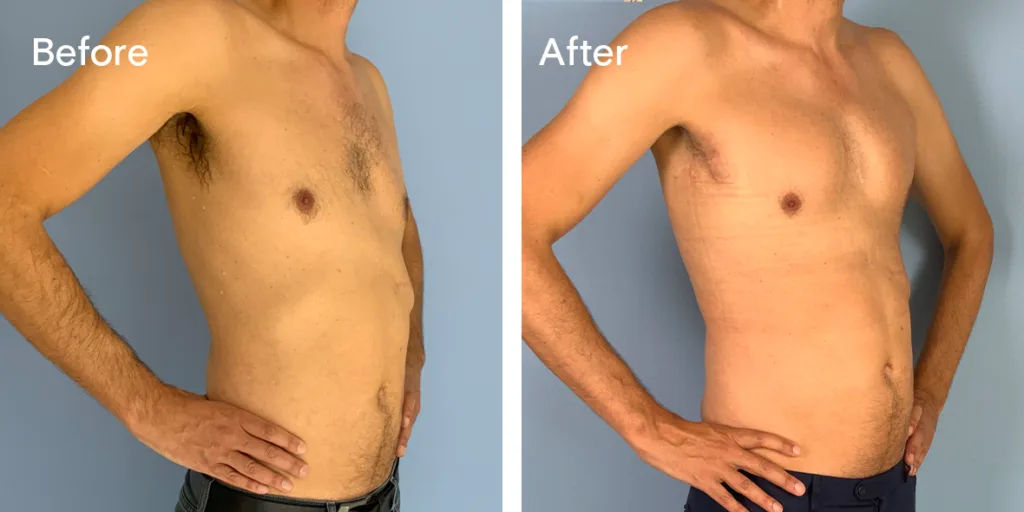
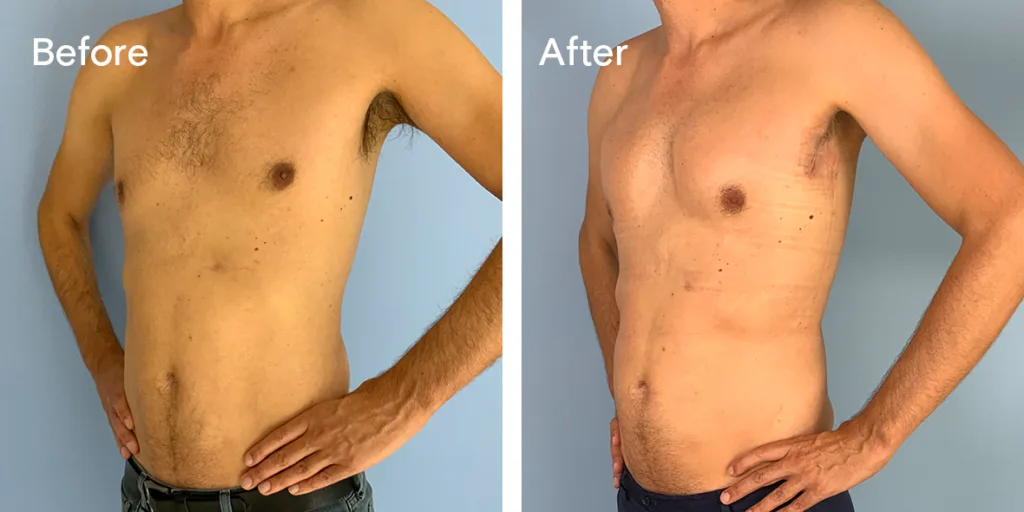
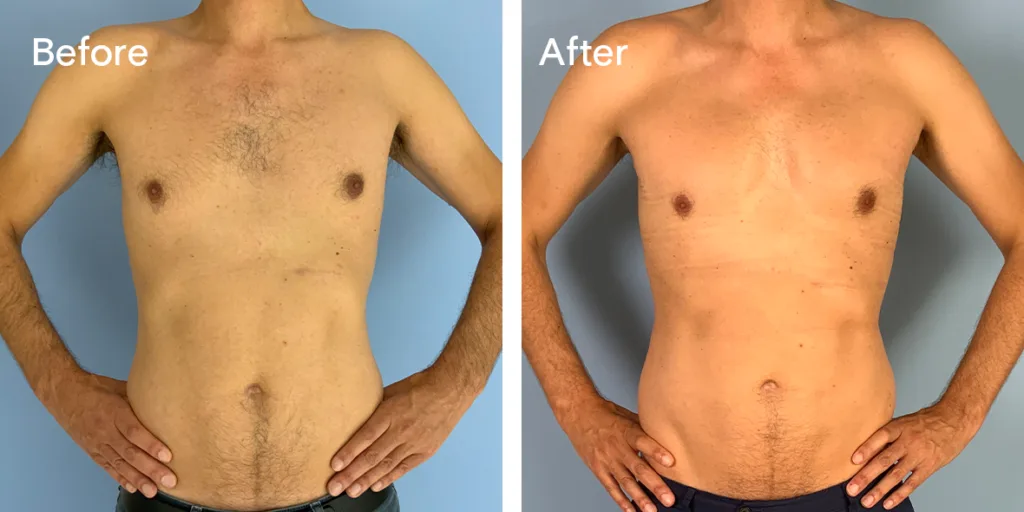
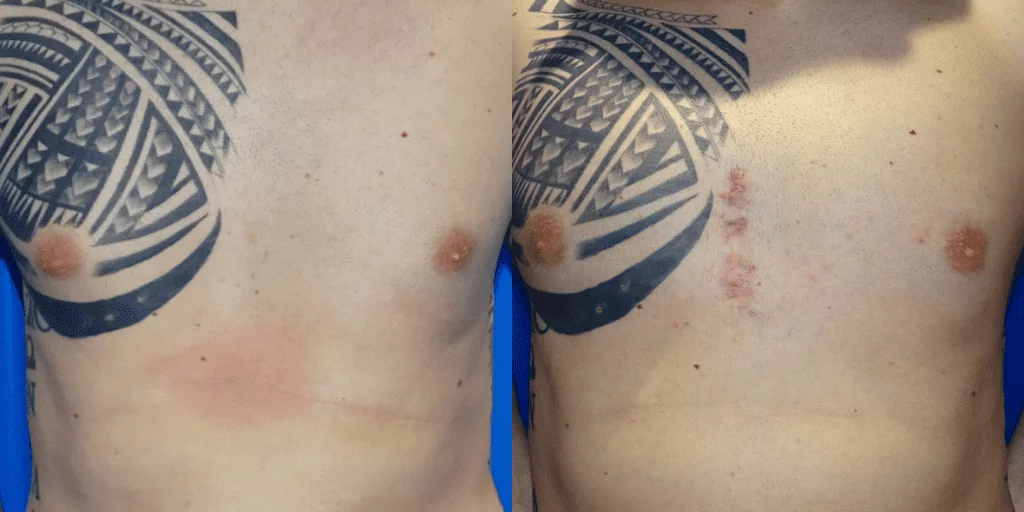
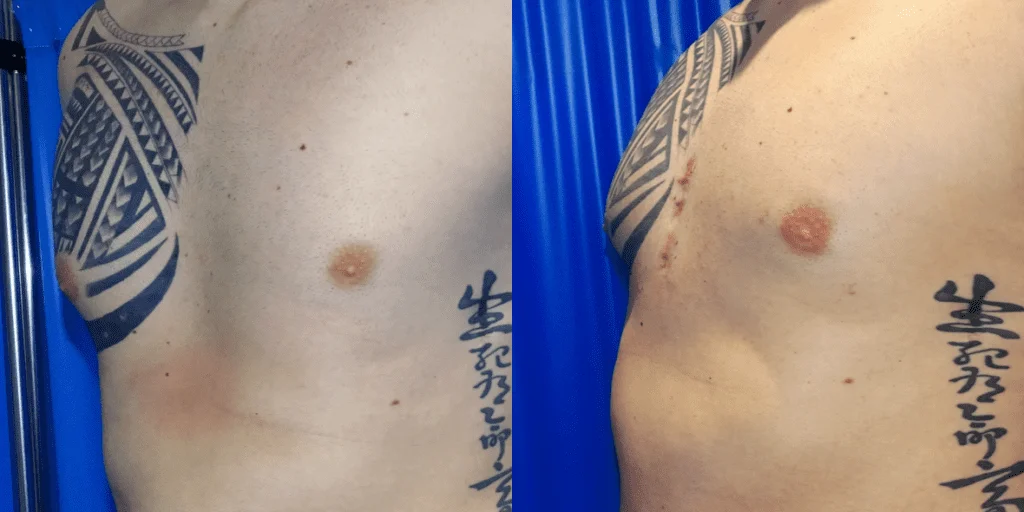
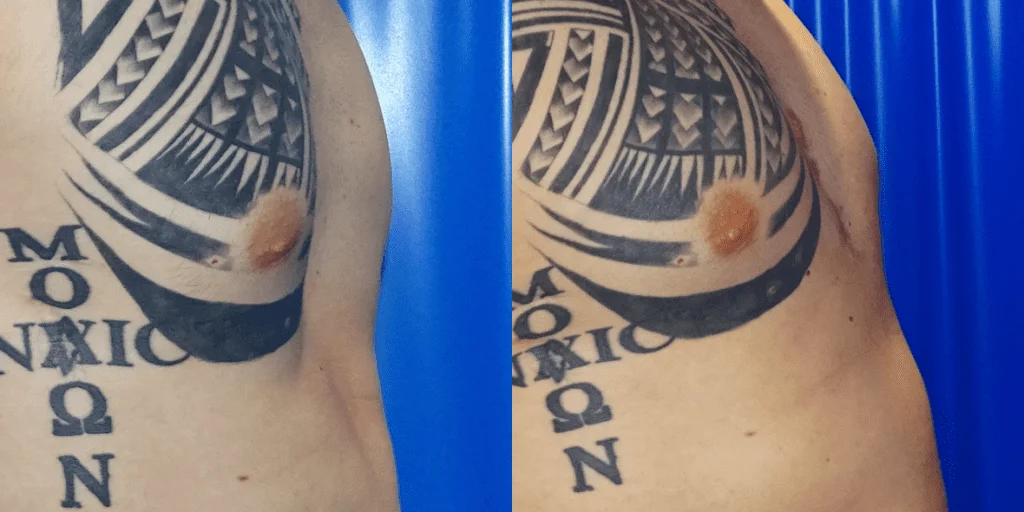
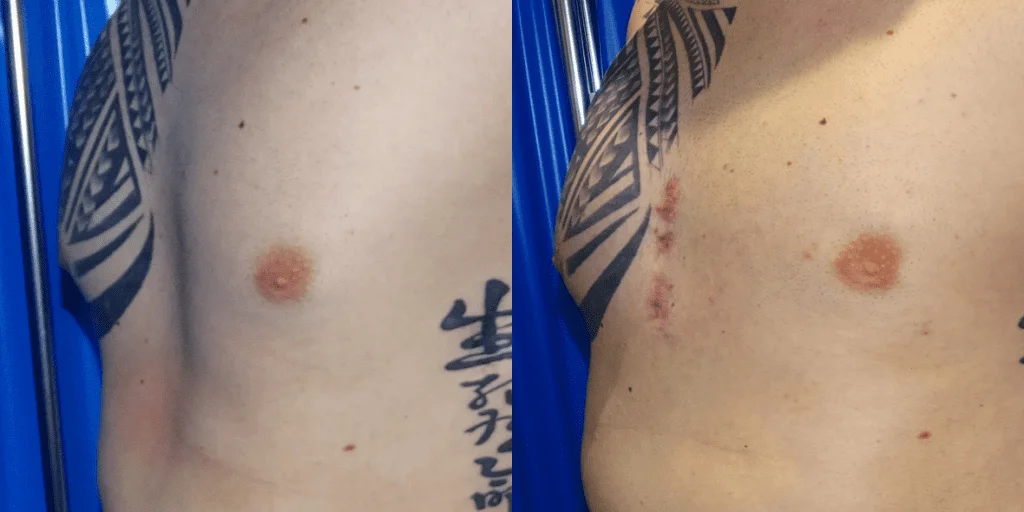
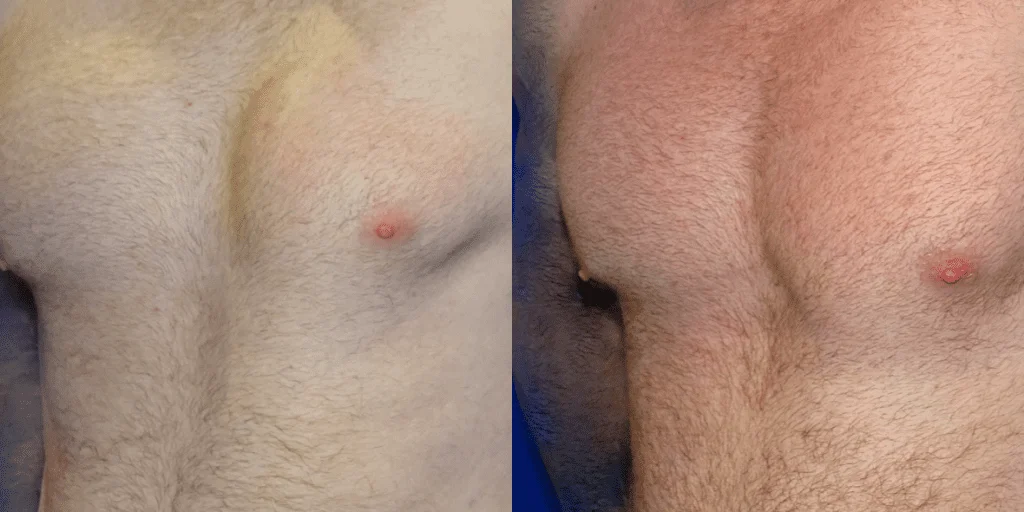
Below you can find a gallery of images presenting a range of pectoral implant patients who have undergone the surgery at the CREO Clinic. Results vary from patient to patient, but the before and after images below can help demonstrate the potential outcomes of the surgery.
Benefits of Pectoral Implants
The points below outline potential outcomes for suitable candidates. Individual results depend on implant type, chest anatomy, the degree of correction performed, surgical approach, and individual healing.
- Improved chest projection and definition: For patients where pectoral muscle development has been limited by anatomy rather than training, implants may help improve the shape and projection of the chest
- Improved symmetry between the two sides of the chest: Where visible asymmetry exists between the left and right pectoral muscles, implants may help reduce this difference and support a more balanced appearance across the chest
- Reconstructive correction of congenital differences: Patients with Poland Syndrome or other conditions affecting chest wall development may find pectoral implants form a key part of a surgical approach to improving chest contour and proportion in cases where asymmetry is structural
- Improved upper-body proportion following weight loss: Where significant weight loss has left the chest area underdeveloped relative to the rest of the physique, pectoral augmentation may help restore a more proportionate upper-body appearance
- Greater ease and confidence: For some patients, addressing a longstanding concern about chest development or symmetry may support greater comfort with their appearance, though psychological outcomes are individual and cannot be guaranteed
The CREO APEX Recovery System
What to Expect: Before, During & After Surgery
To help patients have clarity on what to expect from their pectoral implant surgery, the CREO Clinic keeps timelines consistent and outlines them in full during the initial consultation and subsequent preoperative consultations. Below, we have given an outline of the key stages of the surgical journey.
Preparing for Surgery
Stop nicotine consumption: All nicotine products, including cigarettes, vapes, and patches, must be stopped at least four weeks before surgery. Even short-term nicotine use in the weeks before surgery can restrict blood supply to healing tissue and substantially increase the risk of complications.
Maintain a stable weight and BMI: Keep your weight steady in the weeks before surgery, with a BMI at or below 30. Fluctuations in weight in the weeks before surgery can alter both the surgical plan and the long-term outcome.
Review your medications and supplements: Provide a full list of everything you are taking, including blood thinners, anti-inflammatories, and supplements such as fish oil or vitamin E. Your surgeon will confirm what needs to be paused before surgery. Do not stop any prescribed medication without first speaking to your GP.
Avoid heavy upper-body training: Dr Tillo will advise whether any changes to intensive chest training are needed before surgery, based on your individual surgical plan.
Arrange transport home: Pectoral implant surgery is a day case procedure and you will not be able to drive. Arrange for a responsible adult to collect you and remain with you for the first 24 hours.
Set up your recovery space: Set up a comfortable recovery space before your surgery date. Upper-body movement will be restricted for the first few weeks, so arrange for physically demanding responsibilities at work or at home to be covered in advance.
The Day of Surgery
Once the surgery is complete, you will spend a period of time in a dedicated recovery area as the effects of your anaesthetic wear off. Pectoral implant surgery is typically a day case, and discharge typically occurs within a few hours of the surgery, but you will only be discharged when it is deemed safe by the surgical team.
Recovery During the First Few Weeks
A compression garment should be worn as directed to support the chest and help manage swelling. Sleeping on your back is strongly recommended during the early recovery period to avoid placing pressure on the implants.
Most patients are able to return to desk-based work and light daily activities within one to two weeks, depending on individual recovery and the nature of their role. Strenuous exercise and any activity that places strain on the chest or involves raising the arms above the head should be avoided for at least six weeks. Upper-body and chest-specific training should be reintroduced gradually from around six weeks, guided by individual healing and follow-up assessment with Dr Tillo.
When Final Results Become Visible
Scar maturation continues over the 12 to 18 months following this period. APEX recovery treatments, such as laser scar treatment and lymphatic drainage massage, may be provided when clinically appropriate, according to individual recovery needs.
The final result of the surgery varies between patients and depends on individual healing, tissue adaptation, and how quickly and comfortably the implant settles.
Risks, Limitations & Considerations
Pectoral implant surgery carries recognised risks and limitations that should be considered carefully before proceeding. Outcomes vary between patients and are influenced by factors such as chest anatomy, muscle bulk, implant type, surgical approach, and individual healing response.
Potential risks and considerations include:
- Capsular contracture (a hardening and tightening of scar tissue around the implant), which may affect the feel and appearance of the chest
- Implant displacement or rotation
- Implant palpability or visibility, more likely in patients with less overlying muscle bulk
- Changes to sensation in the chest or surrounding skin
- Asymmetry in the final result
- Scarring at the axillary incision site
- Infection
- Haematoma or seroma formation
- DVT/VTE
- Adverse reaction to anaesthesia
- Need for revision surgery
Silicone pectoral implants are designed to be long-lasting, but should not be described as permanent for every patient. Revision, replacement, adjustment, or removal may be required in future if complications develop, anatomy changes, or a patient wishes to alter their implants.
The likelihood of specific risks varies according to individual patient factors, medical history, and the nature of the procedure. During consultation, Dr Tillo will explain the potential risks and benefits relevant to your individual circumstances.
Cost of Pectoral Implants in London
The cost of pectoral implant surgery at the CREO Clinic depends on the type and complexity of correction required, whether standard or custom implants are used, and the overall surgical plan agreed at consultation. A tailored, all-inclusive quote outlining the included services and any additional costs is provided following assessment with Dr Tillo.
At the CREO Clinic, pectoral implant surgery starts from £13,500 for standard size and shape implants.
Pectoral implant surgery with custom-made implants starts from £16,500. These are starting prices, and the final cost depends on individual surgical requirements.
What Influences the Cost of Surgery
The main variables that affect the final cost are:
- Implant type: Standard silicone implants are included within the surgical fee; custom implants involve additional 3D imaging, CAD design, and fabrication costs, which are reflected in the final quote
- Degree of asymmetry: Where the two sides of the chest require different implants or different degrees of correction, this may affect procedure duration and complexity
- Reconstructive complexity: Cases involving Poland Syndrome, Pectus Excavatum, or significant chest wall differences require more detailed surgical planning and are priced accordingly
- Surgical complexity and duration: More involved procedures require longer theatre time, which is reflected in the final quote
What’s Included in Your Treatment
CREO Clinic’s surgical fees include the following services, with any additional costs, such as required scans or custom implant fabrication, identified separately in your personalised quotation:
- Surgeon, anaesthetist, and nursing fees
- Use of CQC-registered surgical facilities
- Pre-operative assessments (not including scans, where needed)
- Basic bloods, such as full blood count, urea and electrolytes, and clotting profile
- Implants (standard-size only; custom implant fabrication costs quoted separately)
- Compression garment
- Post-operative dressings and follow-up appointments
- Manual lymphatic drainage massage and laser scar management treatments as part of the APEX aftercare programme
- The CREO recovery kit, including immune-supportive vitamins, Hibiscrub, absorbent pads, and Bio-Oil for help with scar maturation
Financing Options
Where appropriate, financing options may be available through CREO Clinic’s finance partner, Chrysalis Finance, including interest-free loans over a 12-month period, with longer-term plans available at increased rates of interest.
Any financing arrangements are subject to approval and eligibility criteria. Financing should be considered only after the clinical suitability of the procedure has been established.
Why Choose CREO Clinic
At the CREO Clinic, all pectoral implant surgeries are delivered via a clinically-led surgical approach with an emphasis on careful long-term aftercare and the provision of procedure-specific specialists.
Specialist Plastic Surgeons for Male Chest Surgery
To help ensure consistency in our surgical approaches and a high level of technical expertise on our surgical staff. The CREO Clinic provides surgeons who specialise in the anatomical areas they operate on. All pectoral implant surgeries at CREO are performed by Dr Omar Tillo, a GMC-registered Specialist plastic surgeon who specialises in procedures from the neck down.
Surgeon-Led Assessment and Planning
The CREO Clinic only recommends surgical interventions after a thorough clinical assessment with a surgeon to help ensure all procedural planning is based on suitability and a clinical judgement of patient needs rather than commercial considerations.
Expertise in Corrective and Reconstructive Cases
The CREO Clinic performs pectoral implant surgery as part of chest reconstruction needed due to asymmetries created by congenital conditions, such as Poland syndrome or pectus excavatum. Dr Tillo has performed many surgeries to address asymmetry or chest wall differences using both custom-made and standard-size implants, and has experience in treating a variety of presentations, including complex cases.
Comprehensive Aftercare and Recovery Support
A core principle of The CREO Clinic is to provide comprehensive aftercare integrated into the base price. Our APEX aftercare system includes follow-up appointments and recovery management, such as laser scar treatments and manual lymphatic drainage massage, which are performed at appropriate moments during recovery. Patients also have ongoing access to clinical advice throughout their recovery via WhatsApp.