






Gigantomastia is a severe form of breast hypertrophy, where the breasts grow to a significantly enlarged state that may lead to physical and functional difficulties. A gigantomastia breast reduction works to alleviate functional concerns by creating a substantial reduction in breast size.
All gigantomastia reductions at the CREO Clinic are performed by Dr Omar Tillo, an experienced, GMC-registered Specialist plastic surgeon. He is also a member of The British Association of Aesthetic Plastic Surgeons (BAAPS) and Fellow of the Royal College of Surgeons (FRCS).
Dr Tillo’s consultation-led approach means all gigantomastia surgeries follow a detailed surgical plan based on a one-to-one assessment. His practice is dedicated to breast and body contouring surgery, and every treatment plan at CREO is built on specialist clinical expertise.
Surgery at a Glance
Results
3 monthsAnesthesia
General AnaestheticOff-Work
Two WeeksExercise
Two WeeksIs This Right for You?
Suitability for gigantomastia breast reduction is established via thorough clinical assessment with Dr Tillo. The points below give an indication of who may be a likely candidate, but only a clinical consultation can confirm if surgery is the right course of action.
Who It’s For
Are experiencing significant physical symptoms attributable to excessive breast volume, including back, neck, or shoulder pain, postural strain, or skin irritation beneath the breasts
Have breast hypertrophy that falls within or close to the clinical threshold for gigantomastia, where breast volume is negatively impacting daily function
Have tried non-surgical measures, such as supportive bras or physiotherapy, without sufficient relief
Are in good general physical and psychological health
Are at a stable weight and have maintained this for at least six months
Have a BMI of 30 or below (Use our BMI calculator to check), although this may be assessed flexibly given the severity of symptoms involved in gigantomastia
Have realistic expectations of what surgery can achieve, including an understanding of scarring and the possibility that further procedures may be required in cases of significant breast volume
Are 18 years old or above, with cases involving juvenile gigantomastia assessed individually given the unique considerations of breast development during adolescence
Physical & Functional Considerations
Some may also find that exercise, certain types of clothing, and everyday activities become difficult to manage. Dr Tillo takes the full extent of these functional limitations into account during assessment, alongside the underlying anatomical presentation.
Who It May Not Be Right For
Are currently pregnant or breastfeeding, or are within a gestational gigantomastia presentation that may resolve spontaneously following delivery
Have an active, unmanaged medical condition that could increase the risk associated with major surgery
Are unable to stop smoking or using nicotine products for at least four weeks before and after surgery
Have significant weight instability or are in the process of active weight loss, as this may affect surgical planning and long-term results
Have unrealistic expectations of the outcome, including expectations of a specific cup size or guarantee against recurrence
Have not yet explored or discussed non-surgical management options where these may be clinically appropriate in the first instance
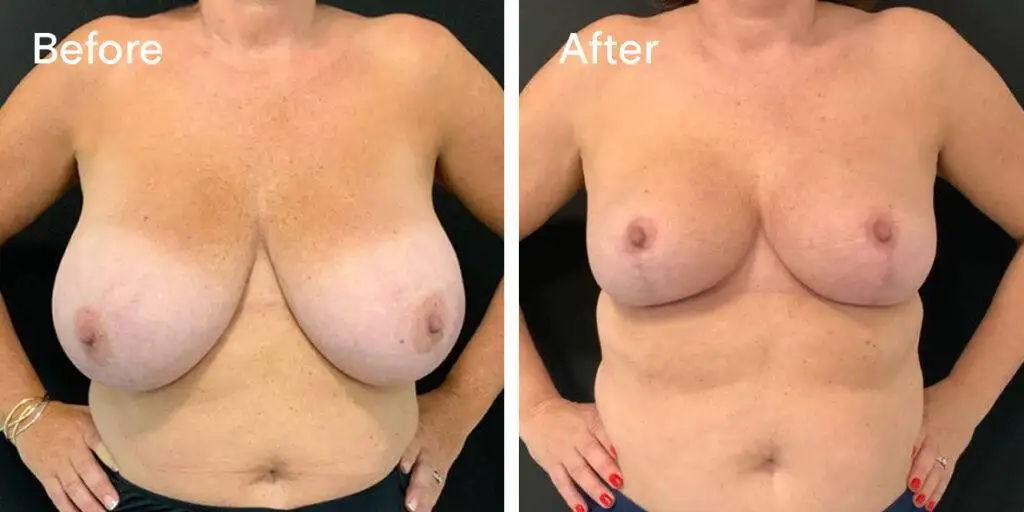
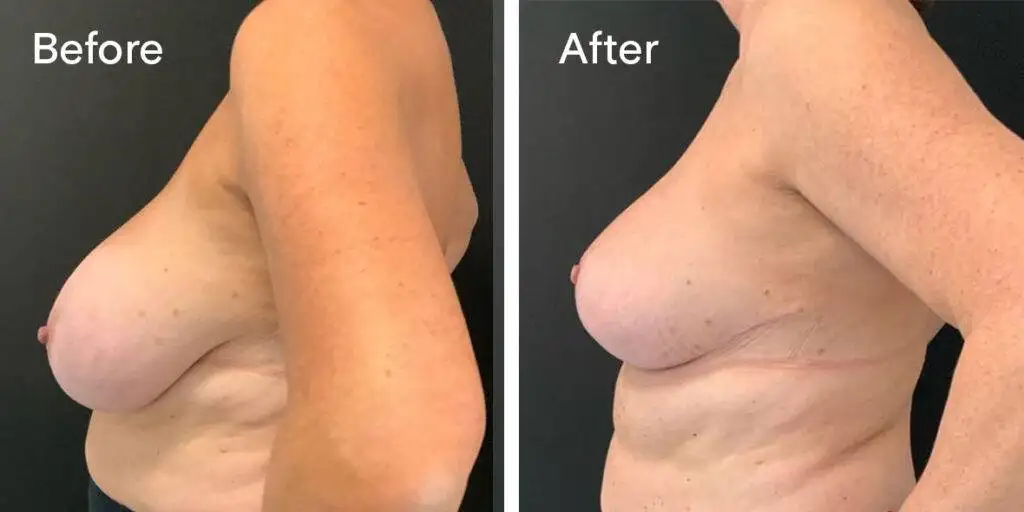
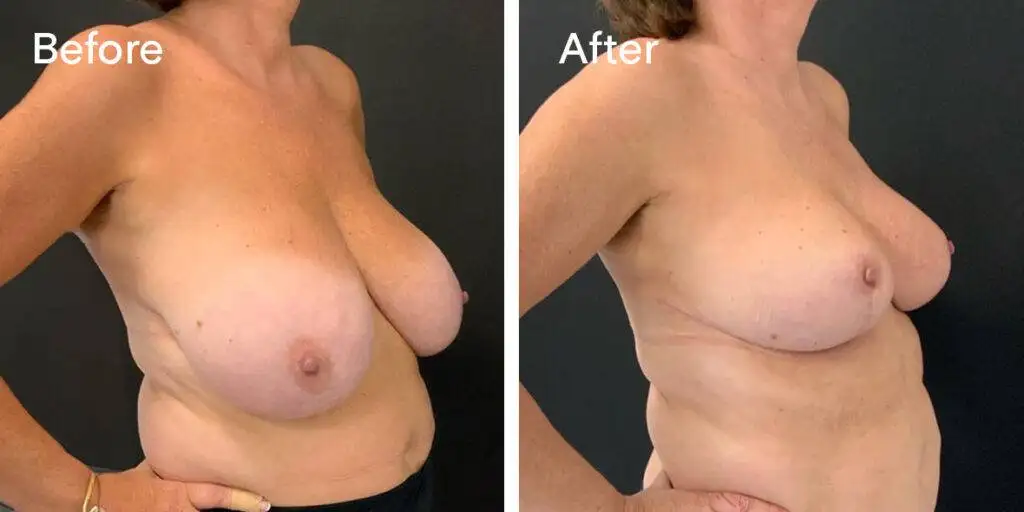
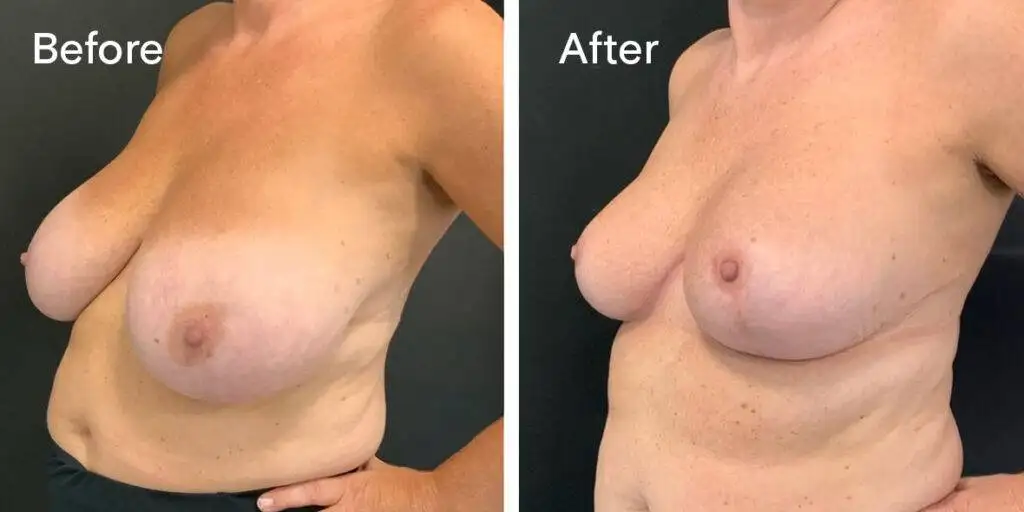
Before & After Results
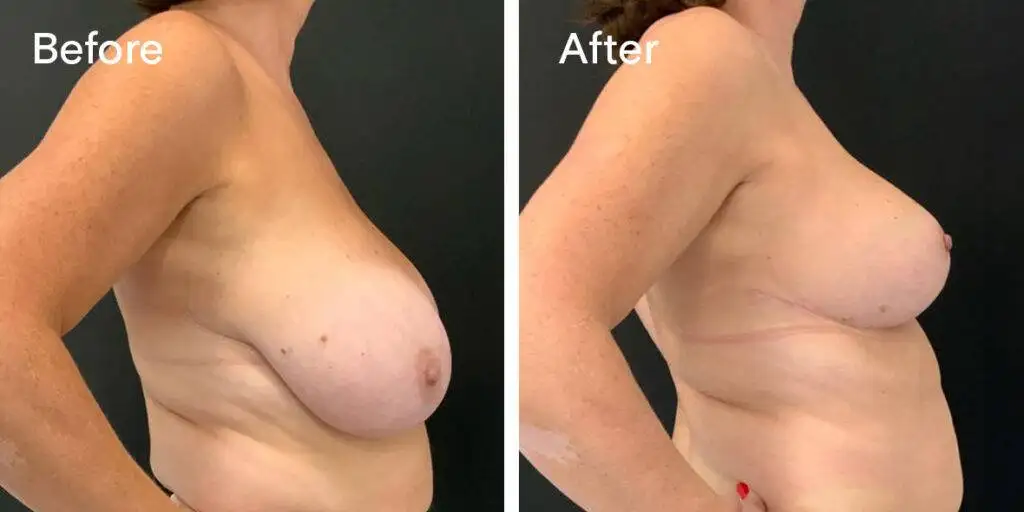
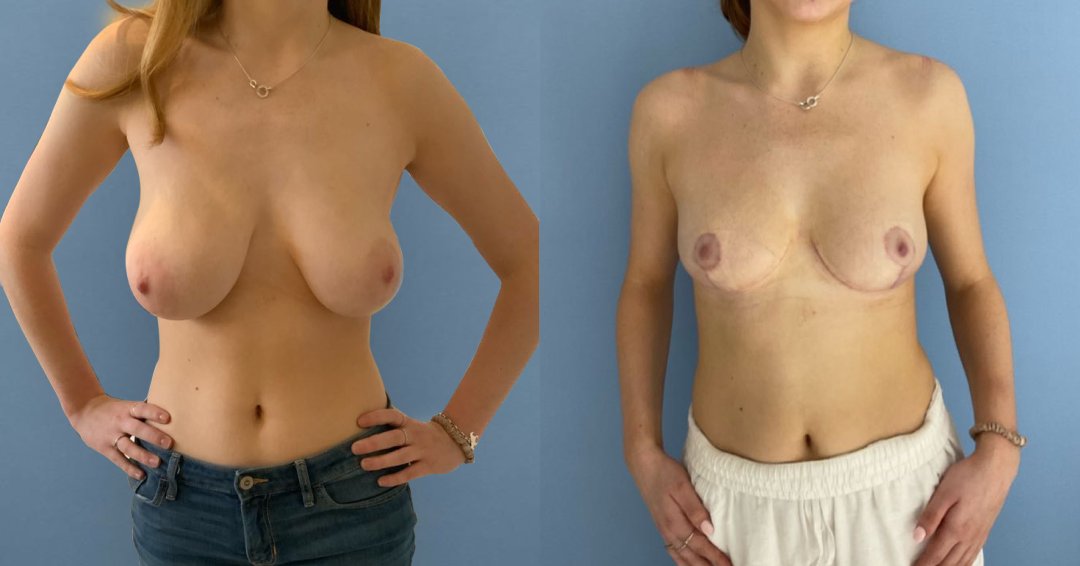
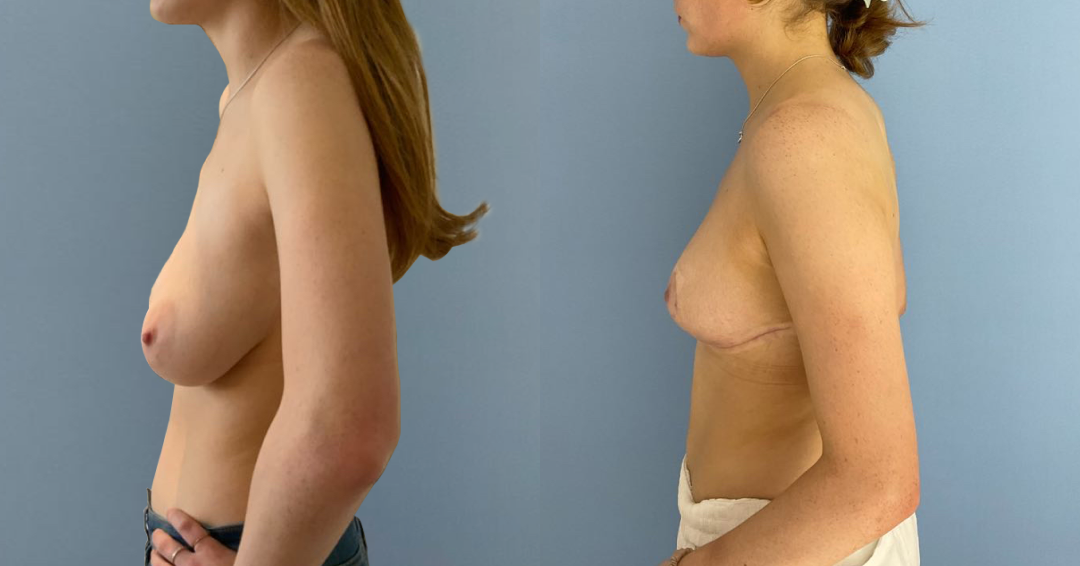
The gallery below contains images of real gigantomastia breast reduction patients who underwent the surgery at the CREO Clinic in London. Outcomes of any surgery vary between individuals, but having illustrative examples of real results helps provide a clearer picture of the potential improvements a reduction may provide.
Benefits of Gigantomastia Breast Reduction
The points below outline the potential benefits for appropriate candidates. Given the severity of gigantomastia symptoms, the functional improvements following surgery can be more pronounced than those associated with a standard breast reduction, though individual outcomes still depend on the extent of surgery, tissue characteristics, and individual healing.
Relief from chronic pain: For patients where the sustained weight of significantly enlarged breasts has caused persistent neck, shoulder, or back pain, reducing breast volume may help reduce this strain, with the degree of relief varying between individuals, often providing improved comfort where non-surgical measures such as physiotherapy or supportive garments have not provided sufficient relief
Resolution of skin irritation and inframammary discomfort: Removing excess breast tissue may reduce the friction, pressure, and moisture build-up beneath the breasts that can cause ongoing skin irritation or rashes that may have been difficult to manage consistently prior to surgery.
Improved ability to exercise and move freely: The physical burden of significantly enlarged breasts can make exercise and certain everyday movements uncomfortable; reducing volume may help patients participate more comfortably in physical activity and daily tasks.
Improved posture: Where postural changes have developed gradually in response to carrying excess breast weight, surgery may contribute to a gradual improvement in posture over time as the load on the upper body is reduced.
Greater choice in clothing: Extremely large breast volume can make it difficult to find well-fitting clothing, particularly in standard sizing; following reduction, some patients find a wider range of options becomes practical.
Improved wellbeing and body confidence: For patients whose daily life has been shaped by the physical and visible impact of gigantomastia, surgery may support an improvement in overall wellbeing, though psychological outcomes are unique to the individual and cannot be guaranteed.
The CREO APEX Recovery System
What to Expect: Before, During & After
It is vital to understand what to expect at each stage of your gigantomastia reduction treatment. At the CREO Clinic, we try to keep our surgical journeys consistent so that our patients have a clear sense of the process, from preparation through to long-term recovery.
Before Surgery
Stop nicotine consumption: All nicotine products, including cigarettes, vapes, and patches, must be stopped at least four weeks before surgery. Nicotine significantly impairs healing and increases the risk of complications, which carries particular importance in larger-volume reductions
Pause oestrogen-based contraceptives or HRT: These should be stopped four weeks before surgery to reduce the risk of thrombosis, using an alternative method of contraception in the interim. Speak to your GP before making this change
Work towards a stable weight where possible: Significant weight fluctuations close to surgery can affect both planning and the durability of your results
Review your medications and supplements: Let Dr Tillo know everything you are taking, including over-the-counter products. Some may need to be paused; never stop a prescribed medication without first checking with your GP
Arrange support for your recovery: Given the more extensive nature of gigantomastia surgery, plan for a longer period of reduced activity than you might expect from a standard breast reduction. Arrange help with household tasks, childcare, or other physical responsibilities in advance
Organise transport home: You will not be able to drive following surgery, so a responsible adult will need to collect you and remain with you for the first 24 hours
Day of Surgery
The surgery itself typically lasts a minimum of three hours, with duration increasing according to the scale of reduction performed. Once the surgery is complete, a surgical bra is applied before you are discharged to protect the incision sites and help reduce swelling over the coming days.
Most patients are discharged within a few hours of the surgery finishing. It is important to note that you will not be able to drive on the day of your surgery; a responsible adult must be able to pick you up and escort you home.
Recovery Timeline
Many patients notice meaningful relief from pre-operative symptoms, such as back and shoulder pain, relatively early in recovery, even while swelling is settling. Most are able to return to light, desk-based work within two to three weeks, although this may be longer where extensive tissue removal or skin reduction has been performed. Strenuous activity, heavy lifting, and exercise involving the chest or upper body should be avoided for at least six weeks, sometimes longer depending on the extent of the surgery. Follow-up appointments allow your progress to be monitored closely throughout this period.
Long-Term Results
Risks, Limitations & Considerations
As with any major breast surgery, gigantomastia breast reduction carries recognised risks, and these warrant careful consideration before proceeding. Given the scale of tissue removed in many gigantomastia cases, some risks are more pronounced than in a standard breast reduction, and this will be discussed openly during consultation.
Potential risks and considerations include:
- Changes to nipple or breast sensation, which may be more likely where significant nipple repositioning is required
- Partial or complete loss of nipple-areola viability, a rare but recognised risk in cases involving very large reductions
- Difficulty or inability to breastfeed following surgery
- Asymmetry in the final result
- Scarring, which is typically more extensive in gigantomastia cases
- Wound healing complications, including delayed healing or wound breakdown, which occur more frequently in larger-volume reductions
- Infection
- Haematoma or seroma formation
- DVT/VTE
- Adverse reaction to anaesthesia
In cases of significant breast hypertrophy, factors such as skin quality, the degree of ptosis, and individual healing capacity can influence the final outcome independently of surgical technique. The likelihood of any particular risk depends on individual patient factors and the scale of surgery, both of which Dr Tillo will discuss in detail at consultation.
Costs & Financing Options
The cost of gigantomastia breast reduction reflects the complexity and scale of the surgery required, which varies more significantly between patients than with standard breast reduction. A tailored quote is provided once Dr Tillo has assessed your case and the appropriate surgical plan has been agreed.
Gigantomastia Surgery Costs
A gigantomastia reduction surgery at the CREO Clinic starts from £9,550. The price may rise according to the severity of the condition and other key factors, such as:
- The volume of tissue requiring removal, which is typically greater than in standard breast reduction cases
- The complexity of nipple repositioning, particularly in cases of severe ptosis
- Procedure duration, which tends to be longer given the scale of surgery
- Whether any additional reconstructive considerations apply, such as free nipple grafting in extreme cases
All quotes are inclusive of:
- Surgeon, anaesthetist, and nursing fees
- Use of CQC-registered facilities
- Pre-operative assessments
- Post-operative garments,
- Follow-up appointments,
- APEX aftercare benefits (lymphatic drainage massage, laser scar treatment, and recovery package)
Financing Your Treatment
Where appropriate, financing options may be available through CREO Clinic’s external finance partner, Chrysalis Finance, including interest-free loans over a 12-month period, with longer-term plans available at increased rates of interest. Any financing arrangements are discussed separately following consultation and are subject to approval.
Why Choose CREO Clinic
The CREO Clinic’s surgeon-led clinical planning combined with experienced surgeons with proven expertise allows us to create bespoke treatment plans with fully integrated aftercare and surgical interventions that work to support long-term outcomes.
Specialist Breast Surgeons
All breast surgeries at the CREO Clinic are performed by our specialist breast surgeon, Dr Omar Tillo, who has performed hundreds of breast procedures over the course of his career in the NHS and private practice. He has also helped to write and teach UK body contouring surgical guidelines to other UK surgeons.
Surgeon-Led Planning
To ensure independence from commercial considerations, all treatment recommendations at the CREO Clinic are guided by one-to-one clinical consultation with Dr Tillo. The clinical picture created during these assessments forms the basis of the surgical plan, allowing Dr Tillo to recommend the appropriate surgery for the patient’s needs.
Integrated Recovery & Aftercare
The APEX aftercare system is included as standard in all gigantomastia reduction surgeries at the CREO Clinic, including the application of manual lymphatic drainage massage and laser scar treatments during recovery as soon as it is clinically appropriate to do so. All patients receive follow-up appointments as a way to monitor progress and healing, and direct clinical access is available to all patients throughout recovery.