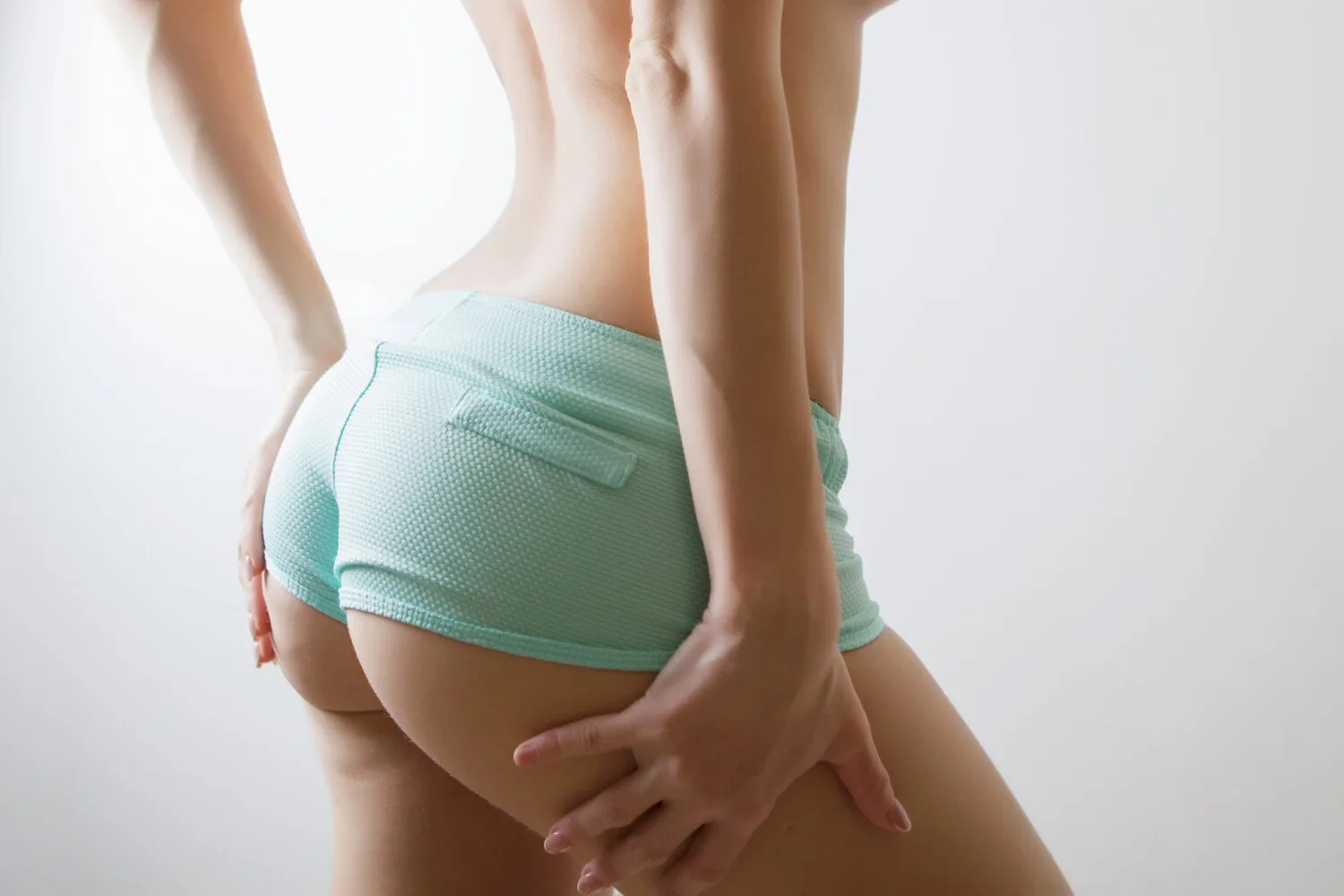




Abdominal etching, sometimes known as ab lipo, is a specialist form of high-definition (HD liposuction) that selectively removes fat from around the abdominal muscles to enhance their natural contours. Standard liposuction aims to reduce overall volumes of fat in a particular area, whereas abdominal etching works with greater precision, specifically removing fat close to the muscle to refine definition.
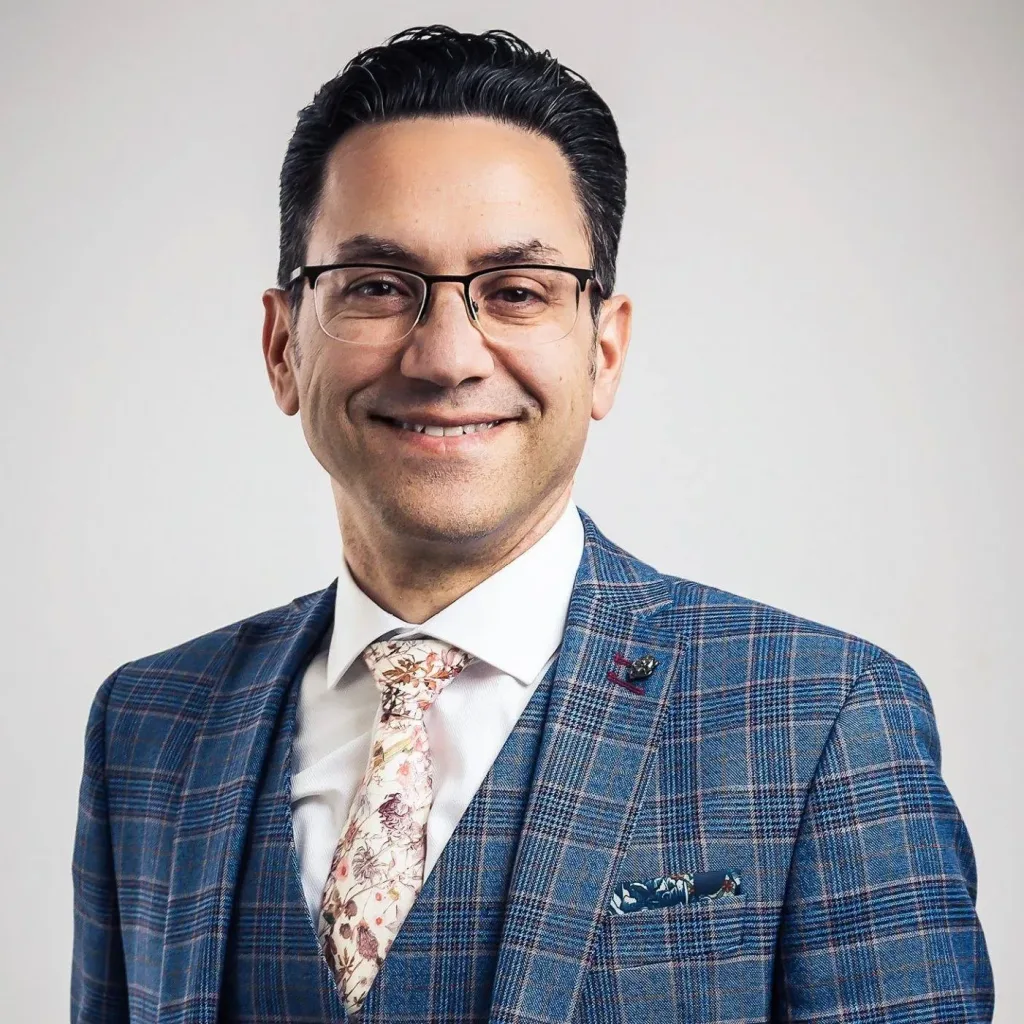
The CREO Clinic’s body contouring specialist, Dr Omar Tillo, is a plastic surgeon on the GMC Specialist Register. Dr Tillo is a member of the British Association for Aesthetic Plastic Surgeons (BAAPS) and a Fellow of the Royal College of Surgeons (FRCS).
He has performed hundreds of abdominal etching procedures and has contributed to the writing of British plastic surgery guidelines, which he teaches to other BAAPS members.
Surgery at a Glance
Results
6 weeksAnesthesia
General anaesthesiaSurgery Time
2–4 hoursHospital Time
Day case (same-day discharge)Downtime
2–4 weeksMobility
Walking encouraged from day one; strenuous activity avoided for 4–6 weeksStay Home
1–2 weeksExercise
Light walking from day one; gym/strenuous exercise from 6–8 weeksFull Recovery
6–12 months for final resultsWhy Abdominal Etching Matters
Abdominal etching may be considered for patients who have made sustained progress with regular exercise and careful dieting but have not achieved the level of abdominal definition they are seeking.
Refining Abdominal Definition
A thin layer of superficial fat can overlie the abdominal muscles, even in patients with disciplined exercise regimens and a healthy BMI. This layer of fat may obscure the outline of the abdominal muscles, and a targeted removal of these fat layers can help refine and enhance the abdominal contour.
Improving Proportion and Contour
Reducing fat pockets across the upper and lower abdomen can improve the overall proportion of the midsection as it relates to the shape of the waist, flanks, and chest. Making improvements to contour using abdominal etching can contribute to a better balance across the torso.
Setting Realistic Expectations
It is always important to understand the potential and the limitations of any procedure like abdominal etching. The outcome of this treatment may enhance definition in the abdomen, provided there is sufficient muscle development beneath the superficial layers of skin. Patients with limited underlying muscle development or significant skin laxity are unlikely to be suitable candidates for the procedure.
How Ab Liposuction Works
The surgical approach used in abdominal etching is typically more precise and technically demanding than a standard liposuction surgery, as it removes fat that is very close to the muscle. The extra precision required generally leads to longer surgery time than a standard liposuction. Below we have outlined some of the key stages and elements featured in the procedure to help offer a clearer understanding of what to expect.
What Happens During Surgery
Before the procedure starts, preoperative markings are made on the standing patient to map the abdominal muscles and identify fat zones that should be targeted to achieve the overall result. Sedation or general anaesthetic is administered. Small incisions are made in discrete locations to allow for the insertion of the liposuction cannula. In order to remove precise areas and volumes of fat, the surgeon works closely to the surface of the muscle.
Incisions are then closed with dissolving sutures, and a compression garment is fitted before discharge.
A limited abdominal etching procedure can be performed under local anaesthetic, sometimes in combination with sedation. However, more extensive high-definition liposuction with multiple treated areas or a combined surgery requires general anaesthesia.
Anaesthetic Type and Procedure Duration
Abdominal etching is typically performed under sedation or general anaesthetic, depending on procedural and patient factors established during the initial consultation. Abdominal etching of both the upper and lower abdomen generally takes between 1-3 hours, depending on the extent of the treatment, the number of areas treated and whether fat grafting or complementary procedures are included. 360 lipo, which includes the upper and lower abdomen as well as upper and lower flanks, may take around 3 hours.
Techniques Used
Abdominal etching uses different techniques according to the individual needs of the patient and the most appropriate method, as established via consultation. VASER liposuction is well suited to abdominal etching in most cases, as its ultrasound-assisted approach helps remove fat with greater precision closer to the muscle surface. PAL liposuction may also be used, or even BodyTite in cases where a degree of skin laxity is present alongside the fat deposits.
Day Case or Overnight Stay
For the majority of patients, abdominal etching is a day case, and the patient can be discharged on the day of the procedure, typically a few hours after its completion. For more extensive cases or combined procedures, an overnight stay may be clinically indicated. All patients require a responsible adult to assist them on the day of surgery, as patients cannot drive themselves home.
Patient Feedback & Outcomes
Is Abdominal Etching Right for You?
Abdominal etching is a specialist procedure with a narrower range of suitability than a standard liposuction. It is designed to target thin layers of superficial fat in order to increase contour around the abdomen. Whether this is suitable for you depends on an individual assessment with the surgeon, during which the surgeon can evaluate your individual anatomy, distribution of fat, and muscle development.
Who It’s For
Abdominal etching may be suitable for patients who:
Are close to their target weight and have maintained a stable weight. Abdominal etching is most effective in patients who are already lean, as the procedure works to refine and enhance existing contours rather than produce significant overall fat reduction. A lower BMI than standard liposuction is generally required (BMI can be checked using our online BMI calculator).
Have some existing abdominal muscle development. The procedure selectively removes fat around the abdominal muscle curvatures to make them more visible. Where underlying muscle development is limited, the degree of definition achievable may be restricted regardless of the technique used.
Have localised fat deposits overlying the abdominal muscles that have not responded to diet and exercise. Some patients maintain a lean physique through exercise and diet but retain a thin layer of superficial fat that obscures muscle definition. Abdominal etching may be appropriate where this fat is localised, and the surrounding anatomy is suitable.
Have skin quality that will support the definition result. Good skin elasticity allows the skin to contract following fat removal and conform to the underlying muscle contours. Where skin laxity is significant, the skin may not respond in a way that supports the definition result, and additional skin tightening may be required alongside or instead of liposuction.
Are sufficiently healthy for anaesthesia and surgery. Patients should be in good general health without conditions that would significantly increase surgical or anaesthetic risk. Health status is assessed individually during pre-operative assessment.
Have realistic expectations about what surgery can achieve. Abdominal etching enhances existing anatomy. It cannot create muscle, guarantee a specific degree of definition, or produce results in patients whose anatomy does not support them. A realistic discussion of likely outcomes will form part of the consultation.
Are non-smokers, or are willing to abstain from all nicotine products for a specified period. The required period will be confirmed at pre-operative assessment.
Physical or Anatomical Considerations
The distribution and depth of superficial fat around the abdominal muscles is the primary anatomical factor. Where this fat is thin and localised, selective removal can produce visible enhancement of the muscle curvatures. Where fat is more diffuse or deeper, the definition achievable may be limited, and standard liposuction may be a more appropriate starting point.
Skin elasticity significantly affects the outcome. Following fat removal, the skin needs to contract and adapt to the new contour. In patients with good skin quality, this typically occurs over the weeks following surgery. Where skin laxity is already present, fat removal alone may not produce a satisfactory result, and options such as BodyTite may be considered alongside liposuction. Patients with significant skin laxity may be better suited to a tummy tuck procedure rather than liposuction-based contouring.
Existing muscle development determines the degree of definition that is anatomically possible. Surgery can reveal and enhance muscle contours that are present but obscured by fat; the surgery cannot produce definition where insufficient muscle development exists. Patients are assessed for this during consultation.
Who It May Not Be Right For
Have limited underlying abdominal muscle development. Where the abdominal muscles are not sufficiently developed, removing the overlying fat may not produce a meaningful definition result. In these cases, standard liposuction or other abdominal contouring approaches may be more appropriate.
Have significant skin laxity in the abdominal area. Loose skin does not contract in the same way as skin with good elasticity following fat removal. Where skin laxity is marked, liposuction may worsen its appearance. A tummy tuck or skin-tightening procedure may be more appropriate.
Are seeking overall weight loss or broad fat reduction. Abdominal etching is a definition-focused procedure for patients who are already lean. It is not appropriate as a weight loss treatment or for patients with significant volumes of abdominal fat.
Have a BMI above the appropriate threshold for this procedure. Abdominal etching generally requires a lower BMI than standard liposuction. The appropriate range is assessed individually. Patients above the suitable BMI range are generally advised to achieve greater weight stability before this procedure is considered.
Have a weight that is not stable or are planning further significant weight changes. Changes to body weight following surgery can alter the result. Surgery is best considered once weight has been stable for a period considered appropriate by the surgical team.
Currently smoke or use nicotine products and are unable or unwilling to abstain. You may be asked to abstain from all nicotine products for a specified period before and after surgery. The required period will be confirmed at pre-operative assessment.
Have unrealistic expectations about the degree of definition surgery can produce. Surgery will not be recommended where expected outcomes are not consistent with what the anatomy supports. This is discussed in full at your consultation.
Procedure Variants & Alternatives
Deciding the appropriate approach to abdominal etching depends on the degree of definition or fat reduction required, following a careful clinical assessment. Below, we have outlined some of the key abdominal etching methods, exploring the core considerations your surgeon will make before settling on a treatment plan.
Abdominal Etching vs Standard Abdominal Liposuction
HD Lipo vs Ab Liposuction
360 Liposuction
BodyTite
Benefits of Ab Liposuction
The following points outline the potential benefits for suitable liposuction candidates. Outcomes differ between patients as they depend on individual anatomy and existing muscle development, as well as skin quality and individual rates of healing.
Key potential benefits are:
Enhanced abdominal muscle definition: Abdominal etching may enhance the visibility of abdominal muscle for patients who have existing muscle development and suitable fat distribution.
Improved midsection proportion: By reducing fat across the upper and lower abdomen, Abdominal etching may contribute to a more balanced chest, waist, and flanks, helping to improve overall proportion across the midsection
A more refined contour between the abdomen and waist: The targeted removal of fat around the abdominal muscles may improve the transition between the abdomen and waistline
Permanent removal of treated fat cells: Fat cells extracted during abdominal etching are permanently removed, but the appearance of the abdominal contour may change if remaining fat cells expand with subsequent weight gain. Maintaining a stable weight following surgery helps support the long-term appearance of the adjusted contour.
Increased comfort and confidence: For patients whose concerns around abdominal definition have impacted their comfort when wearing fitted clothing or taking part in physical activity, abdominal etching may support a greater sense of ease and comfort.
The CREO APEX Recovery System
What to Expect: Before, During & After
Understanding the treatment pathway from preparation through to final results helps give our patients a clearer understanding of the expectations they can have ahead of their ab liposuction. Below we have outlined the key stages of the surgical journey, with greater detail around preparation, the procedure itself, and a projected aftercare timeline.
Before Surgery
Stop using nicotine: You may be asked to abstain from cigarettes, vapes, patches, and all other nicotine-containing products for a specified period before and after surgery. The required period will be confirmed at pre-operative assessment. Nicotine reduces blood flow to healing tissue and increases the risk of wound complications.
Review medications and supplements: Provide a full list of all prescribed medications, over-the-counter drugs, and supplements. Some may need to be temporarily adjusted or paused before surgery. Do not stop any prescribed medication without approval from the relevant clinician.
Reduce alcohol intake: You may be advised to reduce or avoid alcohol for a specified period before and after surgery. Guidance will be confirmed at pre-operative assessment.
Maintain a stable weight: Aim to maintain a stable weight in the weeks before surgery. Changes to body composition can affect both surgical planning and the final result.
Arrange transport home: You will not be able to drive on the day of surgery. Arrange for a responsible adult to collect you and support you for the first 24 hours after discharge.
Prepare your home for recovery: Set up a comfortable space to rest with essentials within easy reach. Arrange any support needed for work or daily responsibilities during the recovery period.
Attend pre-operative appointments: Attend any assessments, blood tests, or other appointments requested by the surgical team. These may include a full blood count, urea and electrolytes, and clotting profile.
Day of Surgery
Initial Recovery
Some degree of swelling, bruising, and numbness in the abdominal area is expected following surgery. These effects are most pronounced in the first one to two weeks and will gradually reduce as healing progresses. A compression garment is fitted before discharge and should be worn for six weeks to help manage swelling and support the developing contour.
Most patients are able to return to desk-based work and light daily activities within approximately one week of surgery. Strenuous exercise, including core training and lifting, should be avoided for approximately two to three weeks, or until cleared by the surgical team. Light walking is encouraged earlier to support circulation.
Final Results
For most patients, a significant reduction in swelling can be apparent by six weeks, with further improvements in abdominal definition becoming visible over the following weeks. This does not necessarily represent the final result, as residual swelling and tissue settling can continue beyond the initial recovery period, particularly following more extensive treatment. The time required for the abdominal contours to fully mature varies between patients and depends on the extent of surgery and individual healing.
Scars from the small incisions are placed in discreet locations and are typically minimal. Scars may continue to change in colour, texture and appearance for 12 to 18 months or longer, depending on individual healing. Laser scar management may be recommended where clinically appropriate as part of the APEX aftercare programme.
Maintaining a stable weight following surgery supports the long-term result. Fat cells are permanently removed from the treated areas, but the remaining fat cells in the body can expand if significant weight gain occurs, which may alter the appearance of the abdominal contour over time.
Risks, Limitations & Considerations
Abdominal etching carries the same general risks as standard liposuction, with some additional considerations specific to the precision of the technique and the definition-focused nature of the outcome. Outcomes vary between patients and depend on anatomy, skin quality, existing muscle development, and individual healing response.
Some potential risks and considerations include:
- Contour irregularities: Given the precision required to work around the muscle curvatures, abdominal etching carries a higher risk of visible contour irregularities or asymmetry than standard liposuction. These may include uneven definition, visible surface irregularities, or asymmetry between sides.
- Insufficient definition: Where anatomy, skin quality, or muscle development does not fully support the expected outcome, the degree of definition achieved may be less than anticipated. This is discussed at consultation as part of setting realistic expectations.
- Swelling and bruising: Swelling and bruising in the treated area are expected following surgery and are a normal part of the healing process. These typically resolve over several weeks.
- Numbness and altered sensation: Temporary numbness or changes to sensation in the treated area are common following liposuction. These typically resolve as healing progresses, but in some cases changes to sensation may be prolonged or permanent.
- Skin laxity: Where skin elasticity is limited, the skin may not contract sufficiently following fat removal to support the definition result. In some patients, this may require additional treatment.
- Infection: There is a risk of infection at the incision sites. Infection is uncommon but may require antibiotic treatment.
- Seroma: A collection of fluid may form in the treated area following surgery. This may resolve on its own or may require drainage.
- Scarring: Small incision scars are typically discreet, but scarring varies between individuals. Some patients may develop more prominent or thickened scars.
- Deep vein thrombosis and pulmonary embolism: As with all procedures performed under general anaesthetic or sedation, there is a risk of blood clot formation. Preventive measures are used to reduce this risk.
- Revision surgery: In some cases, a second procedure may be required to address asymmetry or contour irregularities.
The likelihood of specific risks varies according to individual patient factors, medical history, and the nature of the procedure. During consultation, Dr Tillo will explain the potential risks and benefits relevant to your individual circumstances.
Ab Liposuction Cost & Financing Options
The cost of abdominal etching at CREO Clinic starts from £7,900. The exact cost depends on the areas treated and the complexity of the surgical plan, and a personalised quote is provided following consultation with Dr Tillo.
What Affects the Cost of Ab Liposuction?
The cost of abdominal etching at CREO Clinic is influenced by the areas treated, the technique used, the complexity of the surgical plan, and whether additional procedures are combined with the primary treatment.
- Treatment areas: Abdominal etching of the upper and lower abdomen is the primary treatment. Where 360 HD lipo is planned, incorporating the flanks, the additional areas increase the overall cost. Pricing reflects the greater time and precision required compared with standard liposuction.
- Technique used: The technique selected, including whether VASER, PAL, BodyTite or a combination is used, may influence the surgical fee.
- Complexity and anatomical considerations: Cases requiring a higher degree of precision or those with more challenging anatomy may involve longer theatre time, which is reflected in the final quote.
- Whether additional procedures are combined: Where BodyTite skin tightening or other procedures are combined with abdominal etching, a combined quote will be provided following consultation.
All surgical fees at CREO Clinic are fully inclusive and cover:
- Surgeon and anaesthetist fees: All clinical fees for the surgical team involved in your procedure.
- CQC-registered surgical facilities: All procedures are performed in regulated hospital environments.
- Pre-operative assessments and blood tests: Including full blood count, urea and electrolytes, and clotting profile.
- Compression garment: Fitted following surgery and worn for six weeks as part of the standard recovery protocol.
- Follow-up appointments: Included as standard to monitor healing and assess the treated areas during recovery.
- Laser scar management treatments: Where clinically appropriate, this is performed as part of the APEX aftercare programme.
- Manual lymphatic drainage massage: Performed as part of the APEX aftercare programme, where clinically indicated.
Financing Options
Where appropriate, financing options may be available through CREO Clinic’s external finance partner, Chrysalis Finance, including interest-free loans over a 12-month period, with longer-term plans available at increased rates of interest.
Any financing arrangement is subject to status, an affordability assessment, lender approval, and applicable terms and conditions. Current rates and terms will be confirmed before you apply. Financing should be considered only after the clinical suitability of the procedure has been established.
Why Choose CREO Clinic
Patients choose the CREO Clinic for its surgeon-led procedural decisions and strong focus on providing specialists with experience in the particular surgery they are performing. To support patient safety through individual risk assessment and appropriate clinical safeguards, all planning decisions are made following a one-to-one clinical consultation, and treatments may not be recommended if not supported by the outcomes of assessments.
Specialist Body Contouring Expertise
All abdominal etching surgeries at the CREO Clinic are performed by specialists with a focus on body contouring. Abdominal etching requires a higher level of precision than a standard liposuction, and therefore a detailed understanding of abdominal anatomy. CREO surgeons are highly qualified and experienced clinicians with specialist knowledge to help plan procedures with consideration for individual anatomy and long-term outcomes.
Surgeon-Led Planning
All treatment recommendations at the CREO Clinic are surgeon-led, which means anatomy and individual suitability are considered ahead of any sales considerations. A consultation with a CREO surgeon may confirm abdominal etching is the ideal treatment for the patient’s needs; an alternative approach, or no surgery at all, may be recommended if deemed more appropriate.
Integrated Aftercare
Structured aftercare, fully integrated into the surgical package, is a core element of a CREO Clinic treatment plan. Our APEX aftercare system includes post-surgical monitoring through regular follow-up consultations and application of manual lymphatic drainage massage and laser scar treatments, where clinically appropriate. Our aftercare plans are designed to support patients during recovery, monitor healing and provide appropriate clinical guidance as their results develop.
FAQs: Ab Liposuction
What is ab liposuction?
Is liposuction the same as abdominal etching?
Who is suitable for ab liposuction?
Can ab liposuction give me a six-pack?
How much does ab liposuction cost?
How long is recovery after ab liposuction?
Are ab liposuction results permanent?
What are the risks of abdominal etching?
Given the precision nature of the technique, there is also a risk of contour irregularities or asymmetry. There is also a possibility that the degree of definition may not meet expectations if the anatomy does not fully support the planned outcome. A full breakdown of the risks relevant to your individual needs and the surgery will be discussed in detail during your initial consultation.