



Buttock Implants Surgery in London
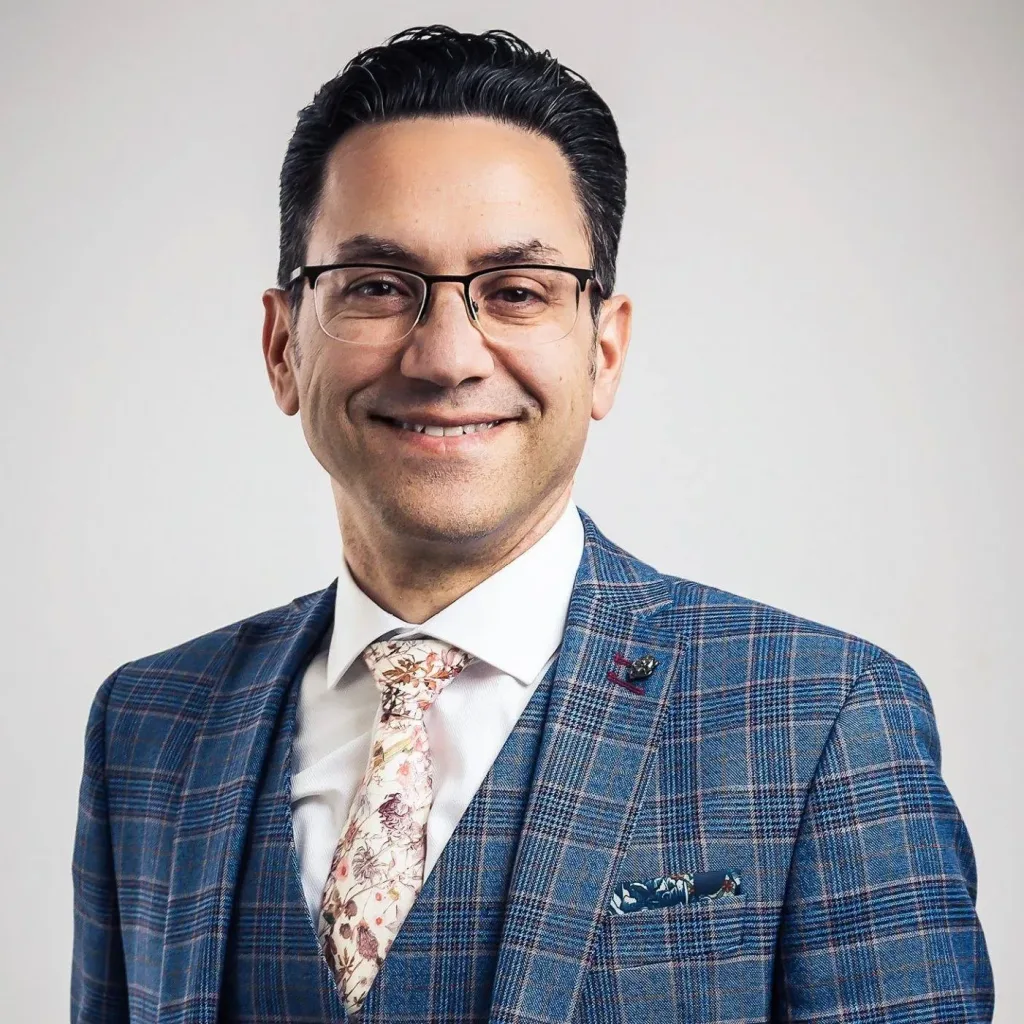
Our buttock implant specialist, Dr Omar Tillo, is a plastic surgeon on the GMC Specialist Register, a Fellow of the Royal College of Surgeons (FRCS) and a member of the British Association of Aesthetic Plastic Surgeons (BAAPS). He focuses exclusively on surgeries from the neck down and specialises in body contouring procedures, including BBL surgery and buttock augmentation using implants.
Dr Tillo takes a consistent approach that emphasises detailed planning and integrated aftercare, as well as research-backed techniques and proportionate outcomes that align with the patient’s clinical needs and cosmetic goals.
Surgery at a Glance
Treatments
1Results
12 WeeksAnesthesia
General AnaestheticSurgery Time
1-2 HoursHospital Time
8 HoursMobility
8 HoursWashing
2 DaysOff-Work
10 DaysExercise
12 WeeksFull Recovery
12 WeeksWhy Buttock Implant Surgery Matters
Patients may consider buttock implants if changes to the proportions of the body cannot be adequately addressed through exercise or fat transfer alone. Suitable candidates considering buttock implants may have these common concerns.
Restoring Shape After Weight Loss or Body Changes
Following significant weight loss or other changes to the body, patients may experience structural changes, including loss of subcutaneous volume, skin laxity, and contour imbalance in the buttocks. These changes may lead the buttocks to lose fullness, symmetry, or experience changes to the transition between the buttocks and surrounding areas.
When Fat Transfer Alone May Not Be Suitable
For patients with insufficient autologous fat for transfer, or where volume loss is too significant to correct through fat grafting alone, buttock implants may be considered as a means of working to achieve greater volume and improved contour.
Improving Proportion and Structural Balance
Buttock implants may address imbalances in proportion between the upper and lower body, working to improve the silhouette. By augmenting volume in the buttocks, the procedure can help create a more proportionate transition between the waist, hips, and thighs, contributing to a more balanced lower body contour.
Addressing Naturally Limited Gluteal Volume
Patients with a naturally flatter gluteal region, due to body type or skeletal structure, may benefit from buttock implants where fat transfer may not provide sufficient volume. Buttock implants may help add a consistent volume and projection to the gluteal area, regardless of body fat levels or natural anatomy.
How Buttock Implant Surgery Works
The buttock implant procedure consists of placing medical-grade silicone implants. The best approach to buttock implant placement is determined by multiple factors, such as the patient’s BMI, tissue volume, and gluteal shape. Implants may be positioned above, below, or within the gluteus maximus muscle, depending on the results of a face-to-face consultation.
What Happens During Surgery
Buttock implant surgery is performed under general anaesthesia and typically takes between two and three hours, subject to confirmation by the surgical team. After an incision is made, usually in the gluteal fold or between the buttock cheeks, the implants are inserted and positioned according to the plan determined during consultation. Once the implants are in place, the wound is closed with dissolvable sutures.
Implant Placement and Surgical Technique
Buttock implants can be placed under (submuscular), over (subcutaneous), or inside (intramuscular) the gluteus maximus, which is the largest gluteal muscle. The best placement option is determined during consultation, as this one-to-one time allows your surgeon to align the placement with your treatment goals and clinical needs.
Submuscular placement of the buttock implant helps add volume to the upper region of the buttocks and may reduce the likelihood of the implant being visible underneath the skin, although this risk cannot be eliminated entirely. However, most surgeons prefer not to perform this technique, as it carries a higher risk of damaging blood vessels and the sciatic nerve.
Intramuscular placement positions the implant within the gluteus maximus, leaving a layer of muscle in front of and behind the implant. This is the technique Dr Tillo typically uses for buttock implants, as it provides good implant coverage and generally produces a natural contour. For this technique, the implant dimensions must be compatible with the thickness and size of the muscle available.
Subcutaneous placement of buttock implants requires the surgeon to place the implant over the muscle, but this is now rarely performed as it carries a greater risk of implant visibility, palpability, displacement, and an unnatural contour.
Anaesthetic and Procedure Duration
The buttock implant procedure is performed under general anaesthesia in CQC-registered facilities. The surgery typically lasts between two and three hours, subject to confirmation by the surgical team.
Hospital Stay and Immediate Recovery
A degree of swelling, soreness, and bruising at the incision sites is typical after a buttock implant surgery, but should subside over the next two to three weeks. After this point, most patients feel comfortable returning to work and light activities, but strenuous exercise should typically be avoided for six to eight weeks, with a gradual return guided by your surgeon.
For the first two to four weeks, patients should avoid sitting directly on the buttocks or applying pressure to the incision sites. Your surgeon will explain key techniques for resting comfortably during your downtime.
How Buttock Implants Differ From BBL
While both buttock implants and BBL surgery have some similarities in their stated aims, there are also some important differences patients should be aware of. The table below outlines some of the key differences.
| Feature | Buttock Implants | Brazilian Butt Lift (BBL) |
| Procedure | Silicone implants are surgically placed in the buttocks to help increase volume and projection. | Autologous fat is removed from another area of the body and transferred to the buttocks to help improve contour and volume. |
| Feel | Firmer than natural tissue due to the presence of silicone implants. | Generally produces a softer, more natural feeling result. |
| Projection | Typically provides greater, more structural projection that remains consistent over time. | Projection depends on the amount of fat transferred and retained after healing. |
| Effect of Weight Changes | Implant size and projection do not fluctuate with weight gain or loss. | Transferred fat cells may increase or decrease in size with changes in body weight. |
| Suitability | May be an option for patients who do not have enough donor fat for fat transfer. | Requires sufficient donor fat to harvest and transfer. |
| Specific Risks | May involve long-term considerations, including the potential need for implant replacement or removal. | Carries fat transfer-specific risks, including fat necrosis and variability in fat absorption. |
| Long-Term Considerations | Implants may require monitoring and may need replacement or removal in the future. | Results depend on long-term fat survival, with some fat naturally absorbed after surgery. |
Patient Feedback & Outcomes
Is Buttock Implant Surgery Right for You?
Buttock implant surgery may be considered by patients who have stable weight, are in good general health, and are seeking increased gluteal projection or structural improvement to lower body contour. The indications below are a general guide. Suitability can only be confirmed following a consultation and clinical assessment with your surgeon.
Who It’s For
Have experienced volume loss following significant weight loss: Significant weight loss can reduce gluteal volume and alter the shape and position of the buttocks. Where insufficient donor fat is available for fat transfer, implant-based augmentation may offer a structural alternative.
Do not have sufficient donor fat for a Brazilian butt lift: A BBL requires adequate subcutaneous fat in donor areas such as the abdomen, flanks, or thighs. Patients with limited fat stores, or those who have already undergone fat transfer with limited results, may be better suited to implant-based augmentation.
Are seeking a structural outcome not dependent on fat availability: Gluteal implants provide a defined degree of augmentation that is not subject to the absorption variability associated with fat transfer.
Have maintained a stable weight for a period considered appropriate by the surgical team: Weight stability supports predictable surgical planning and reduces the risk of changes to the result following surgery. The period considered appropriate will be assessed individually.
Have a BMI within the clinic’s general assessment criterion: This is typically 30 or below and remains subject to individual clinical review.
Are sufficiently healthy for anaesthesia and surgery: Patients should be in good general health, without conditions that would significantly increase surgical risk. Health status is assessed individually during pre-operative assessment.
Have realistic expectations about the nature and extent of outcomes: Results from buttock implant surgery depend on anatomy, implant type and placement, and individual healing. The likely outcome will be discussed during consultation.
Physical and Anatomical Considerations
Donor fat availability is also relevant where a hybrid approach may be considered. Patients should also be in a position to make the practical arrangements necessary to support the post-operative sitting restriction before proceeding, as this is a significant aspect of early recovery. The specific factors relevant to an individual patient are discussed in full during consultation with Dr Tillo.
Who It May Not Be Right For
Have a BMI above the clinic’s general assessment criterion: The clinic’s general BMI assessment criterion is typically 30 or below and remains subject to individual clinical review. A BMI above this level may be a contraindication to surgery or may require individual assessment before a decision is made.
Currently smoke or use nicotine products and are unable or unwilling to abstain: Nicotine reduces blood flow to healing tissue and significantly increases the risk of wound complications, infection, and implant-related adverse outcomes. You may be asked to abstain from all nicotine products for a period before and after surgery. The recommended period will be confirmed at pre-operative assessment.
Have a weight that is not stable or are planning further significant weight changes: Surgery should be considered only where weight has been stable for a period considered appropriate by the surgical team, and where no significant changes to body composition are expected in the near term.
Are unable to comply with the post-operative sitting restriction: Following buttock implant surgery, direct sitting pressure on the implants must be avoided for several weeks. Patients who are unable to make the necessary practical or work arrangements for this recovery period may need to postpone surgery until these can be addressed.
Have unrealistic expectations about outcomes: Implant surgery can increase gluteal projection and improve lower body proportion, but cannot guarantee a specific shape, symmetry, or degree of change. Surgery will not be recommended where expectations are not consistent with what is clinically achievable for the individual.
Have health conditions that may increase surgical or anaesthetic risk: Significant cardiovascular, respiratory, or other systemic health conditions may contraindicate general anaesthesia or increase the risk of surgical complications. Health status is assessed individually; some conditions may require specialist clearance or may be a reason to postpone rather than decline surgery permanently.
Are pregnant or breastfeeding: Surgery is not performed during pregnancy or breastfeeding. This is a temporary deferral rather than a permanent contraindication.
Procedure Variants & Alternatives
The approach to buttock augmentation should be determined by a thorough examination of the patient’s goals and anatomy during the initial consultation. The options provided below give a guide to potential variants.
Buttock Implants vs Brazilian Butt Lift (BBL)
In general, our surgeons report BBL results to feel more natural than implants, as transferred fat can be more physically and aesthetically sympathetic to the natural tissues than a silicone implant. Both surgeries are generally long-lasting, but revisions may be required in future if complications develop over time.
Determining which of these two procedures is more appropriate for a patient requires a one-to-one assessment with a surgeon who is experienced in the provision of both surgeries.
Hybrid Augmentation: Implants with Fat Transfer
This combined procedure can be effective for patients with particular treatment goals and clinical needs, which must be confirmed during consultation.
Gluteal Fat Transfer Alone
Gluteal fat transfer can also be preferable for patients who have pockets of unwanted fat in other areas of the body that may be suitable for treatment with liposuction.
Complementary Body Contouring Procedures
A buttock lift may also be considered in patients where skin laxity is a significant issue.
Benefits of Buttock Implant Surgery
The following list outlines potential benefits for suitable buttock implant candidates. All outcomes depend on individual anatomy, the types of implants used, and their placement. Individual healing also plays a significant role in long-term results.
Some of the key potential benefits of buttock implant surgery are:
- Increased and more predictable gluteal projection
- Improved lower body proportion
- Improved balance of the silhouette
- A structural result that is not dependent on donor fat availability
- Long-lasting results
- Improvements to clothing fit and physical proportion
- Greater confidence in the appearance of the buttocks
The CREO APEX Recovery System
What to Expect: Before, During & After Surgery
At the CREO Clinic, we work hard to facilitate patient understanding of each treatment stage and what they can expect along their surgical journey. For this reason, we keep surgical timelines consistent. Below you can find an outline of the full surgical journey for buttock implants, starting from the lead-up to surgery, through to final results.
Before Surgery
Nicotine and smoking cessation: You may be asked to abstain from cigarettes, vapes, patches, and all other nicotine-containing products for a specified period before and after surgery. The recommended period will be confirmed at pre-operative assessment. Nicotine reduces blood flow to healing tissue and significantly increases the risk of wound complications and infection around the implant.
Medication and supplement review: Provide a full list of all prescribed medications, over-the-counter drugs, and supplements. Some may need to be temporarily adjusted or paused; do not discontinue any prescribed medication without approval from the relevant clinician and the surgical team.
Hormonal medications: Depending on your individual risk profile, you may be advised to pause oestrogen-based contraceptives or HRT for a specified period before surgery. Do not stop prescribed medication without approval from the prescribing clinician.
Alcohol: You may be advised to reduce or avoid alcohol for a specified period before and after surgery. Guidance will be confirmed at pre-operative assessment.
Weight stability: Aim to maintain a stable weight in the weeks leading up to surgery. Significant changes to body composition can alter the surgical plan and affect outcomes.
Practical preparation for the sitting restriction: Following surgery, you will need to avoid sitting directly on your buttocks for a period of several weeks. Before surgery, consider your arrangements for sleep position, seating, work, travel, and daily responsibilities. A surgeon-approved cushion or support may be recommended for the initial recovery period. Making these arrangements in advance will allow you to focus on recovery.
Home and lifestyle arrangements: Set up a comfortable place to rest with everything you need within easy reach. Arrange any support needed for work, childcare, or daily responsibilities during the recovery period.
Transport arrangements: You will not be able to drive after surgery. Arrange for a responsible adult to collect you and be available to support you for the first 24 hours after discharge. If an overnight stay is planned, confirm the arrangements with the clinic in advance.
Pre-operative appointments: Attend any pre-operative assessments, blood tests, or imaging appointments requested by the surgical team. These may include a full blood count, urea and electrolytes, and clotting profile.
The Day of Surgery
The surgical team will monitor you in the immediate period after the surgery, during which you will rest in a specifically designed resting space while the effects of your general anaesthetic subside. Provided you have been deemed suitable for discharge by the surgical team, most patients are able to leave within a few hours of the surgery.
Overnight stays may be indicated if preferred by the patient or judged clinically necessary by the surgeon.
Initial Recovery and Mobility Restrictions
It is important to note that all buttock implant patients should avoid sitting directly on their buttocks for prolonged periods for two to four weeks after the surgery. Applying direct pressure to the buttocks over this period may affect healing and outcomes, which is why detailed advice on how to rest comfortably is provided during your consultations.
Long-Term Recovery and Final Results
Risks, Limitations & Considerations
Buttock implant surgery carries recognised risks and limitations that should be considered carefully before proceeding. Outcomes vary between patients and are shaped by factors including anatomy, implant type and placement, tissue quality, and individual healing response.
Some potential risks and considerations include:
- Implant displacement or rotation
- Infection
- Seroma
- Asymmetry
- Changes to sensation
- Scarring
- Wound breakdown or delayed healing
- Deep vein thrombosis and pulmonary embolism
- Adverse reaction to anaesthesia
- Need for revision surgery
Not all limitations are related to surgical complications. In some patients, the underlying tissue anatomy, degree of asymmetry, or individual healing characteristics may affect the final outcome independently of surgical technique.
Costs & Financing Options
The cost of buttock implant surgery at CREO Clinic depends on the implant type used, the use or non-use of fat transfer, and the complexity of the surgical plan established at consultation.
The starting cost for a buttock implant surgery at CREO is £12,500.
What Is Included in the Surgical Fee
Surgical fees at the CREO Clinic are all-inclusive. Your quote will cover:
- Surgeon, anaesthetist, and nursing fees
- Use of CQC-registered and regulated surgical facilities
- Pre-operative assessments and blood tests, including full blood count, urea and electrolytes, and clotting profile
- A compression garment, fitted following surgery as part of the standard APEX recovery protocol
- The full APEX recovery kit, including immune-supportive supplements, wound care products, and skin management aids as supportive post-operative measures where clinically appropriate
- Manual lymphatic drainage massage is performed where clinically appropriate, as part of the APEX aftercare programme
- Laser scar management treatments are performed if clinically appropriate, to support scar maturation
- Follow-up appointments and routine post-operative care are within the all-inclusive fee
Why Choose CREO Clinic
Many patients choose the CREO Clinic for their buttock implant surgery as Dr Omar Tillo specialises in body contouring procedures, including buttock augmentation. CREO’s planning is also an important factor; treatment at our clinic is structured around surgeon-led clinical plans that emphasise specialist expertise and individualised treatment planning, supported by fully integrated aftercare. We aim to provide patients with procedures guided by clinical assessment, careful surgical planning and appropriate risk management to support long-term outcomes.
Specialist-Led Surgical Planning
At the CREO Clinic, procedural decisions are surgeon-led and guided exclusively by clinical suitability as determined via one-to-one consultation. All our bespoke treatment plans are designed by plastic surgeons registered on the GMC Specialist Register.
Anatomical Expertise in Body Contouring Surgery
CREO works with plastic surgeons who specialise in the procedures they perform, which means surgical planning is based on experience and in-depth knowledge of the anatomy and surgical techniques involved.
Structured Recovery and Aftercare
All procedures at the CREO Clinic have integrated APEX aftercare as standard. This means patients receive manual lymphatic drainage massage and laser scar management treatments where clinically appropriate, at the appropriate stages of their recovery, with staged follow-up consultations and direct clinical access throughout their downtime.
A Consultation-Led Patient Journey
CREO’s consultation-led approach ensures that surgical recommendations are based on individual clinical assessments rather than commercial considerations. Our surgeons only recommend surgery if it is deemed clinically appropriate following a one-to-one consultation.